💡 Key Takeaways
- The sweet almond (Prunus dulcis) was domesticated in Central and Southwest Asia and spread early through Mediterranean and Silk Road trade.
- Medieval and early modern cooks turned almonds into milk, paste, and marzipan — dairy-free richness long before modern plant milks.
- California now dominates global production, while almond milk, orgeat, and marzipan keep the nut's older culinary identities alive.
Where did almond originate?
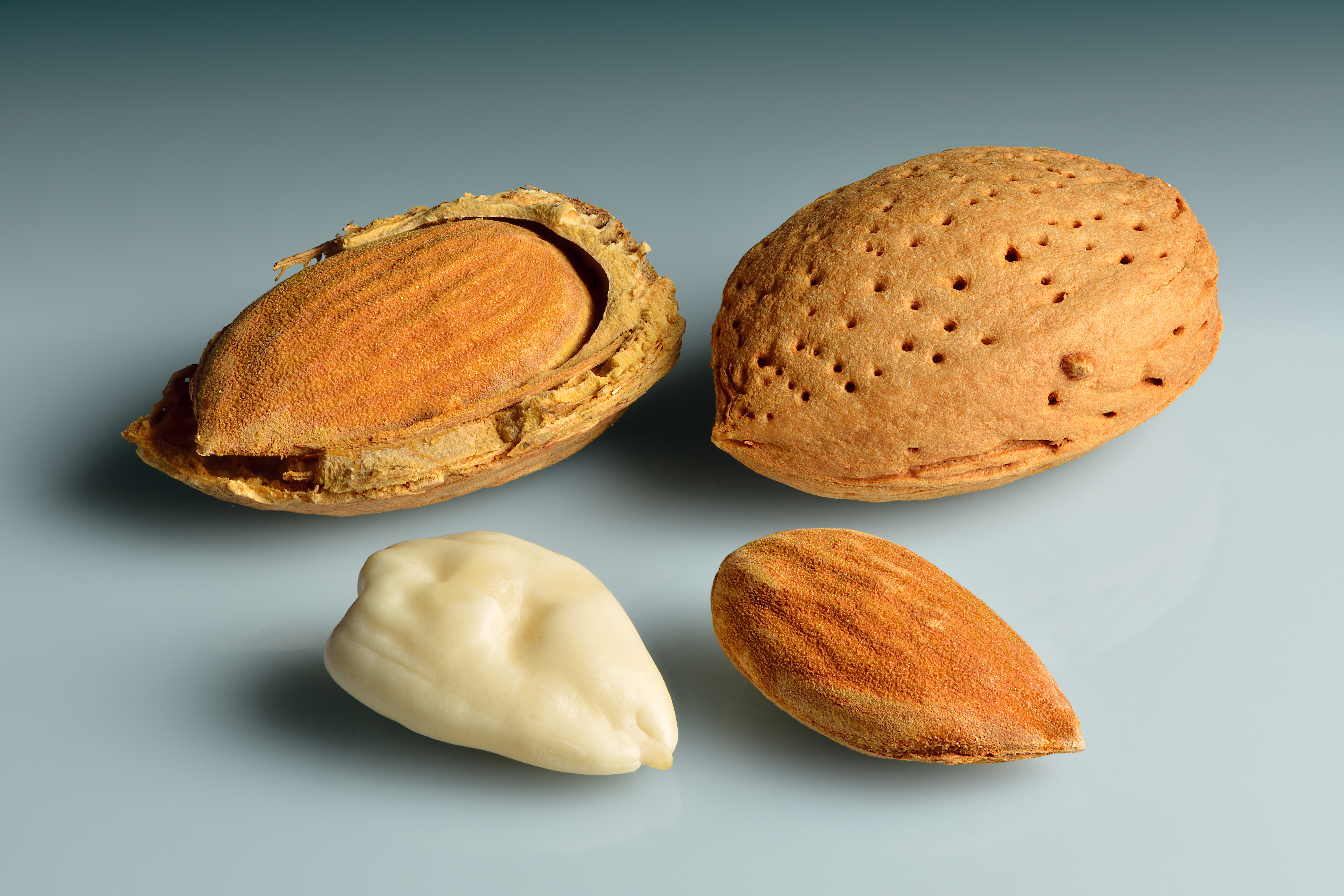
The almond (Prunus dulcis) is a stone-fruit relative grown for its seed, not its flesh. Domestication centers on Central and Southwest Asia, where farmers selected sweet kernels from bitter wild types and carried the tree west into the Mediterranean and east along trade routes [1][2][3]. By classical antiquity, almonds were a familiar oilseed, snack, and medicine across Greek and Roman worlds.
Botanically the "nut" is a seed inside a hard shell. Culinary history treats that seed as a fat-rich, grindable staple — the property that later made marzipan, orgeat, and almond milk possible [4].
Medieval Almond Milk and Marzipan
In medieval Islamic and Christian kitchens, ground almonds stretched into "milk" with water became a fasting-day dairy substitute and a base for sauces and sweets [1][5]. Sugar and almond paste fused into marzipan, shaped for banquets and feast days from the Middle East to Iberia and northern Europe.
Orgeat — a sweet almond syrup scented with orange flower or rose — carried the same paste logic into drinks. These were not wellness products; they were elite and urban techniques for turning a tree seed into white richness without a cow.
Mediterranean Orchards to California
Spain, Italy, and the eastern Mediterranean kept almond orchards as landscape and export crops for centuries. Spanish colonial and later American agriculture planted almonds in California, where twentieth-century irrigation, breeding, and marketing turned the Central Valley into the dominant global supplier [3][6].
That shift reframed the almond as a commodity nut: snack packs, chocolate bars, and industrial paste — while older paste-and-syrup traditions continued in pastry shops and cocktail bars.
Almond Milk, Orgeat, and Modern Uses
Today almonds appear as snacks, butter, flour, marzipan, orgeat, and the leading nut-based plant milk in many Western markets [4][6]. Cafe culture pairs almond milk with matcha and coffee; pastry still depends on almond cream and frangipane; drinks revive orgeat in tiki and modern cocktails.
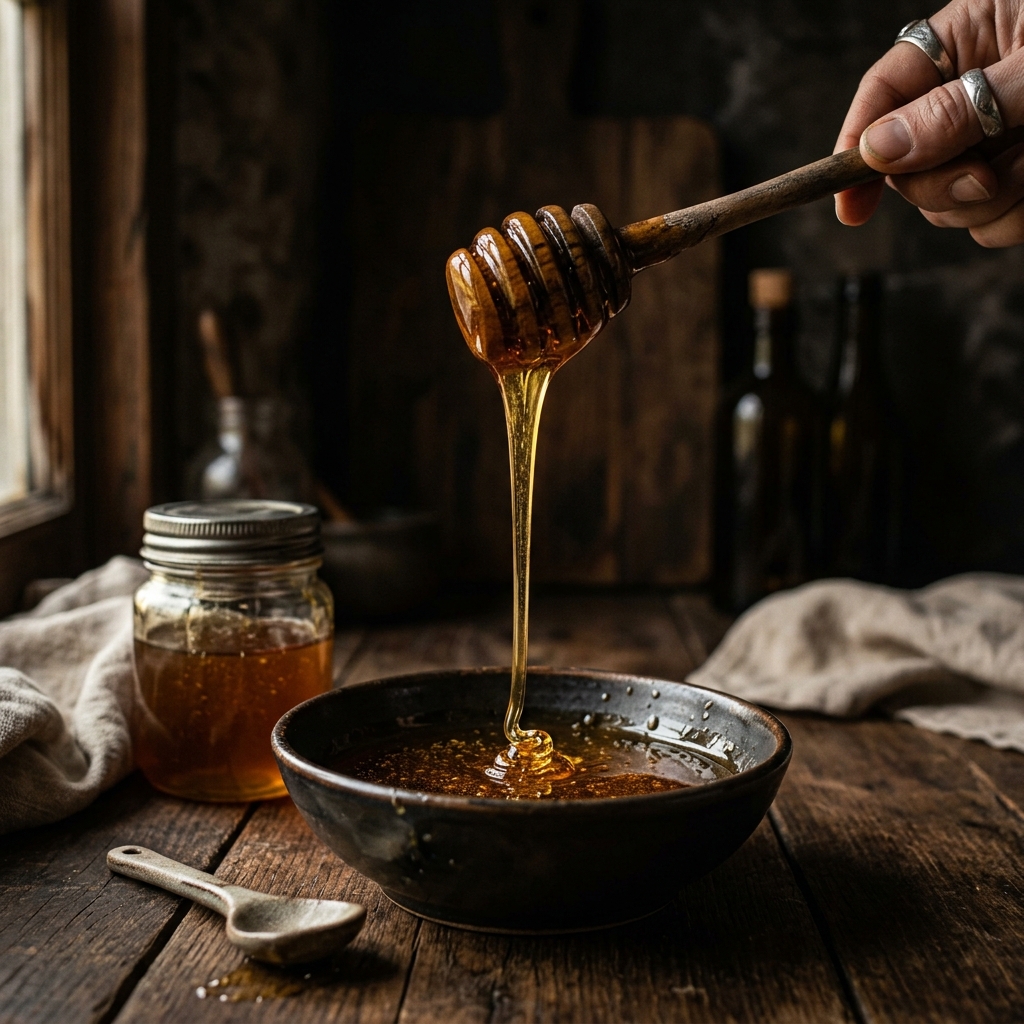
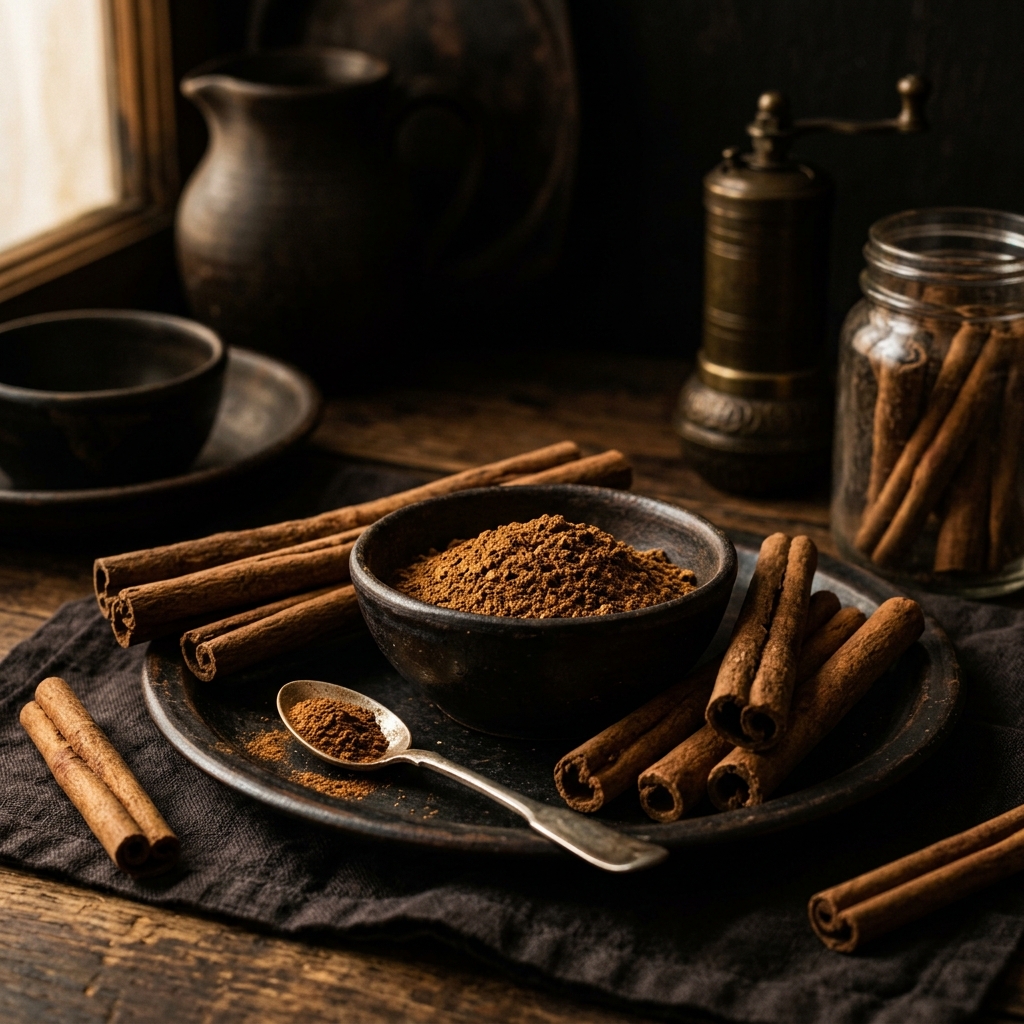
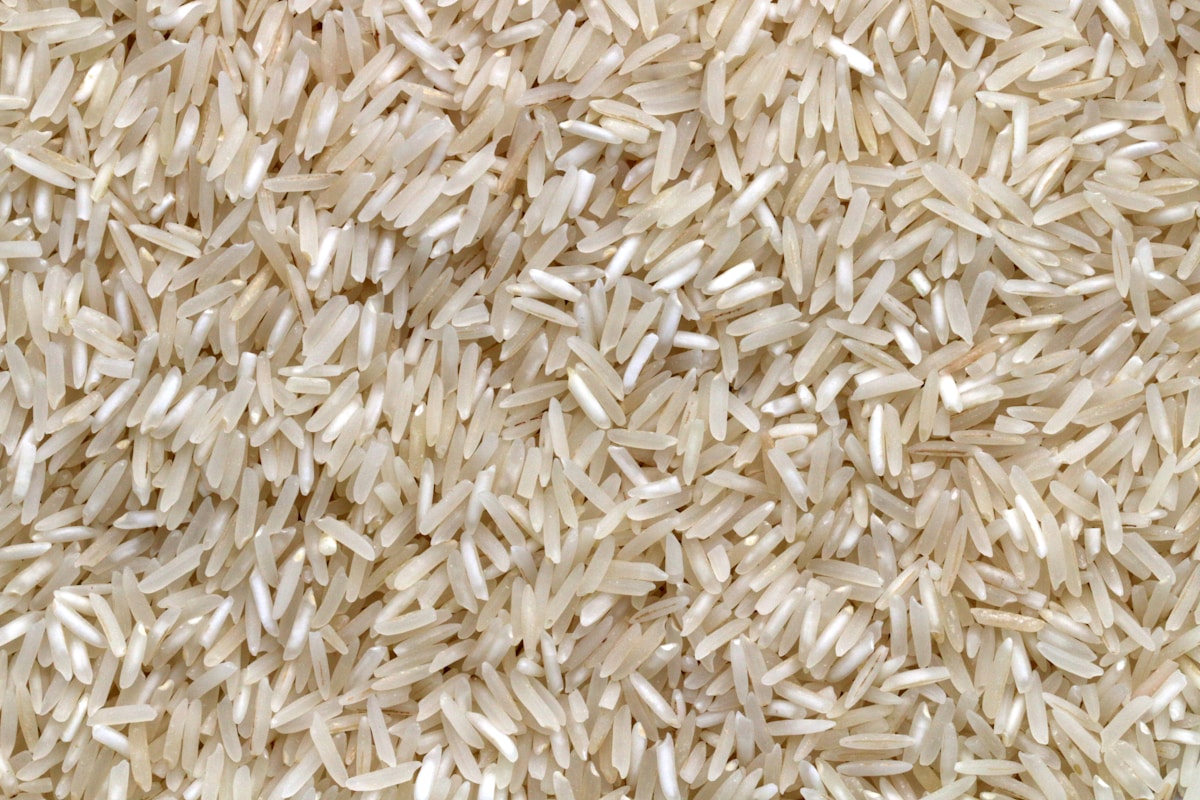
For food history, the through-line is processing: grind, sweeten, dilute, shape. The same seed that sweetened medieval banquets now sweetens latte art — and links to honey, cinnamon, and rice-and-nut drinks in the wider sweet-kitchen family.
Historical Timeline
Sweet almonds are cultivated in Central and Southwest Asia; bitter wild types remain distinct
Greeks and Romans write almonds into medicine, dessert, and oil uses across the Mediterranean
Almond milk and marzipan become elite European and Islamic banquet staples
Spanish and other Mediterranean orchards expand; almonds reach California missions and later commercial groves
California scales irrigation orchards into the world's dominant almond export industry
Almond milk becomes a leading plant milk; orgeat and marzipan ride cocktail and pastry revivals
Evidence Explorer
Review the Source Trail
Inspect the article sources, scoped review credits, and copyable citation details without leaving the page.
Sources Listed
Comments
Community comments are coming soon. Check back later to join the discussion!