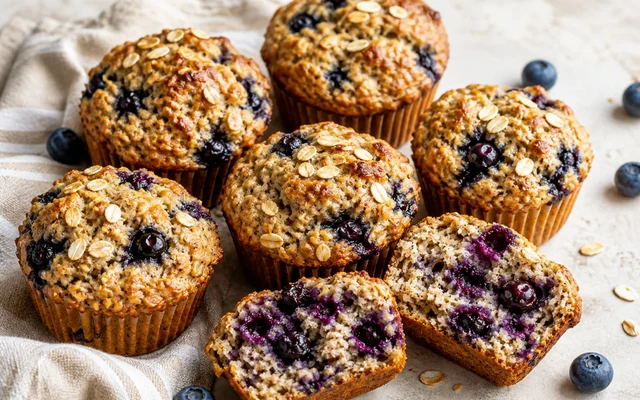
 Breakfast
Breakfast
Fibermaxxing Blueberry Oat Muffins
A practical, source-aware recipe for fibermaxxing blueberry oat muffins, with the history kept close to the method.
37 min12 muffins
2026 food-culture reactions — and the deeper history behind each one.
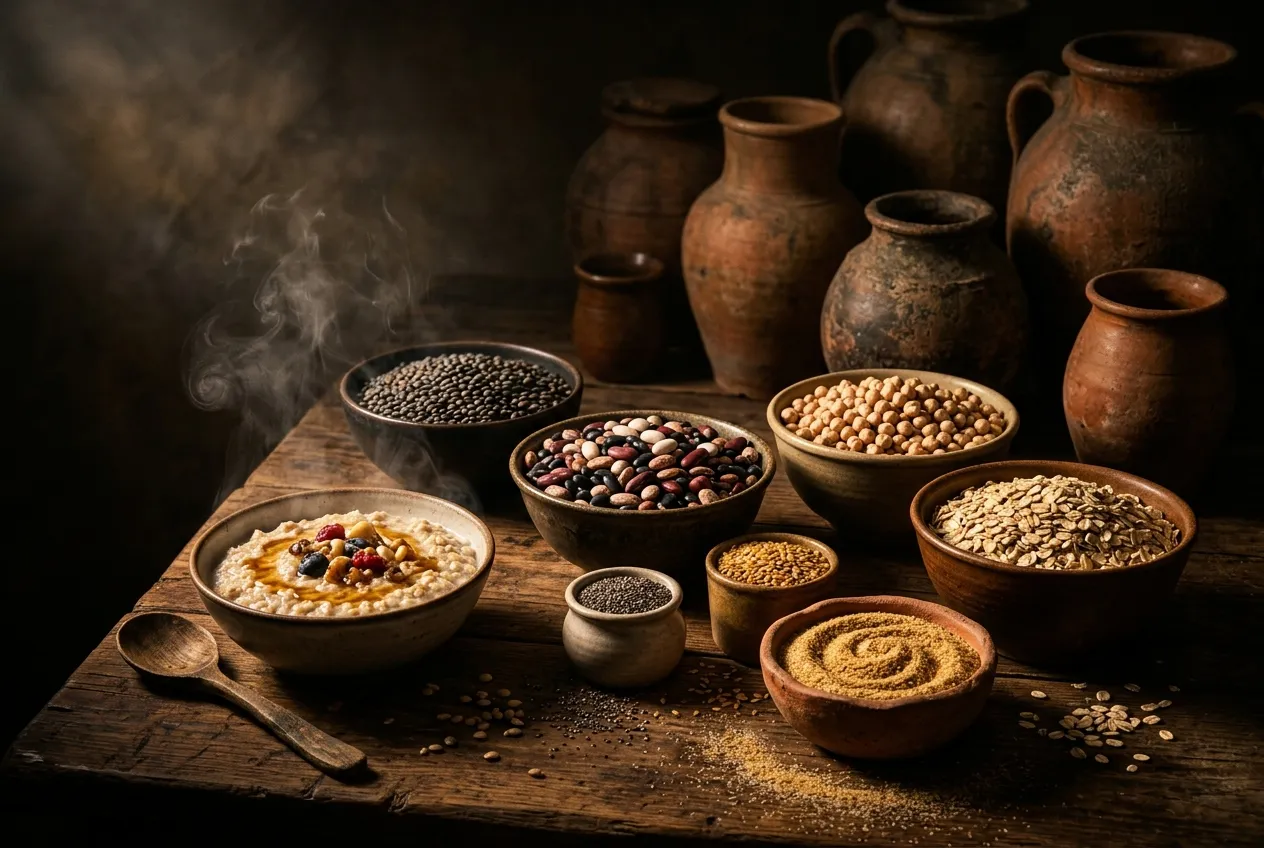 Trend Desk
Muffins rarely trend — but in 2026 the high-fiber muffin became the unglamorous delivery vehicle that made fibermaxxing a daily habit rather than a headline.
Trend Desk2026's prebiotic sodas sell "gut health" on a fiber that began as a wartime coffee adulterant. The fiber is real; the wellness halo deserves a harder look.
Trend DeskGLP-1 appetite drugs changed not just how much people eat but what they reach for — and the 2026 fiber-and-protein snack aisle is one of the results.
Original recipes
Measured methods connected to ingredient history. Development recipes remain visibly marked until they complete our documented two-test publication standard.
BreakfastBreakfast
A practical, source-aware recipe for fibermaxxing blueberry oat muffins, with the history kept close to the method.
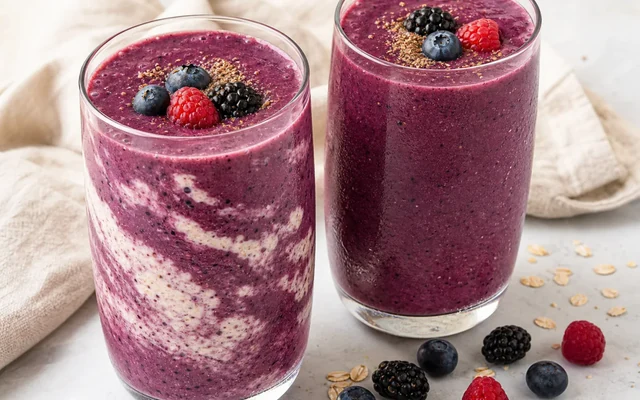 Breakfast
Breakfast
A practical, source-aware recipe for fibermaxxing berry oat smoothie, with the history kept close to the method.
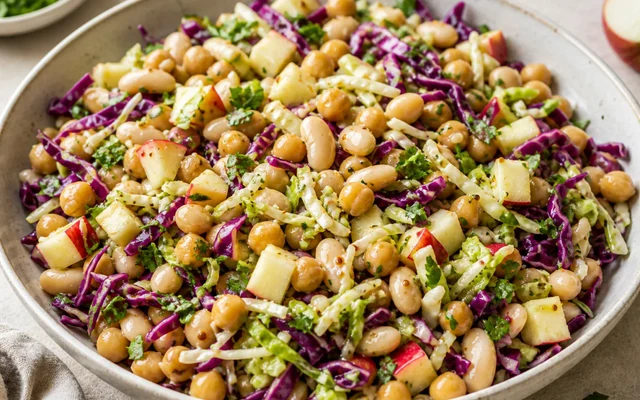 Lunch
LunchLunch
A practical, source-aware recipe for 10-minute fibermaxxing pantry bowl, with the history kept close to the method.
Deep dives into the foods that changed the course of human history
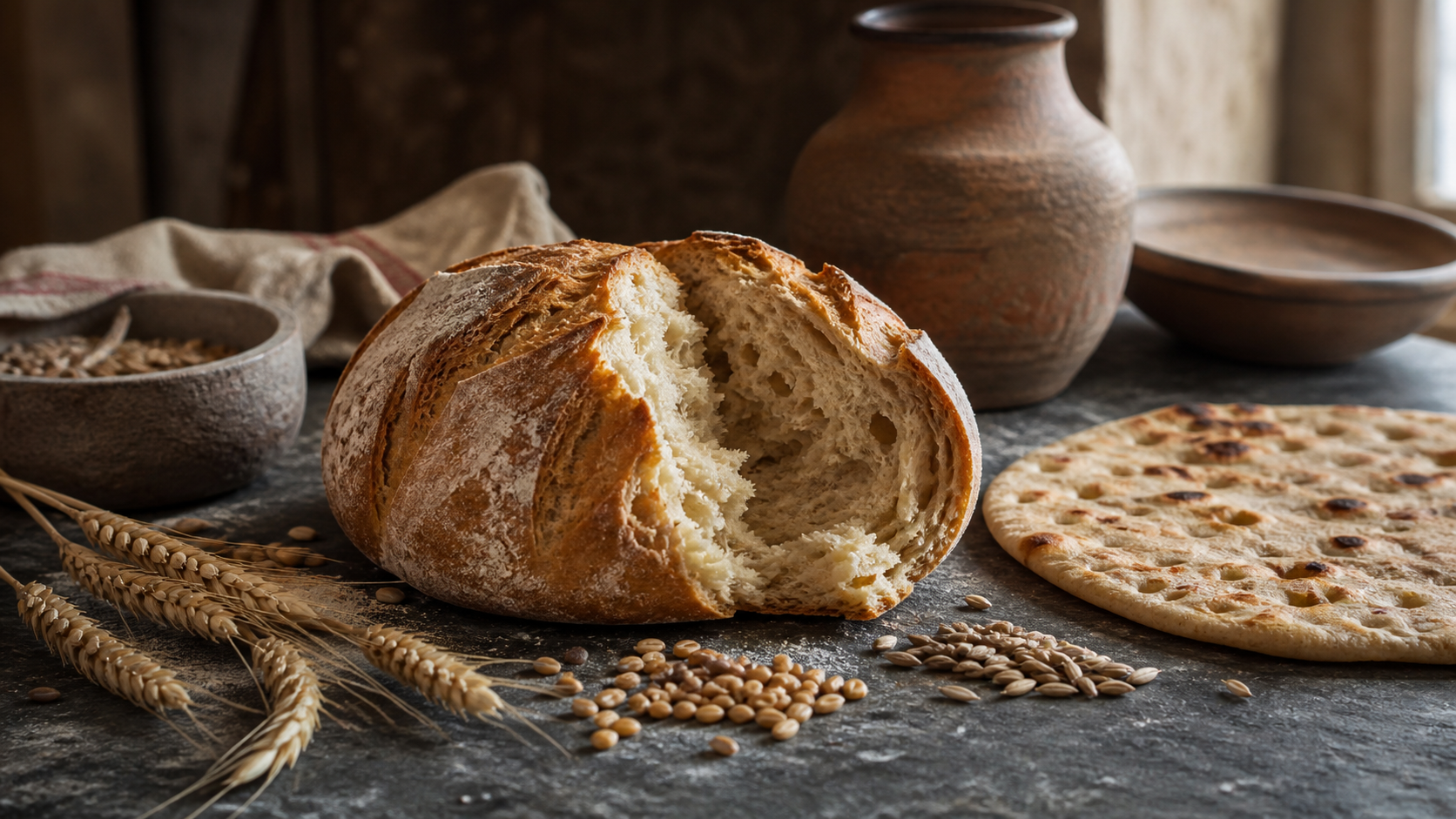 ingredients
The staff of life that built civilizations
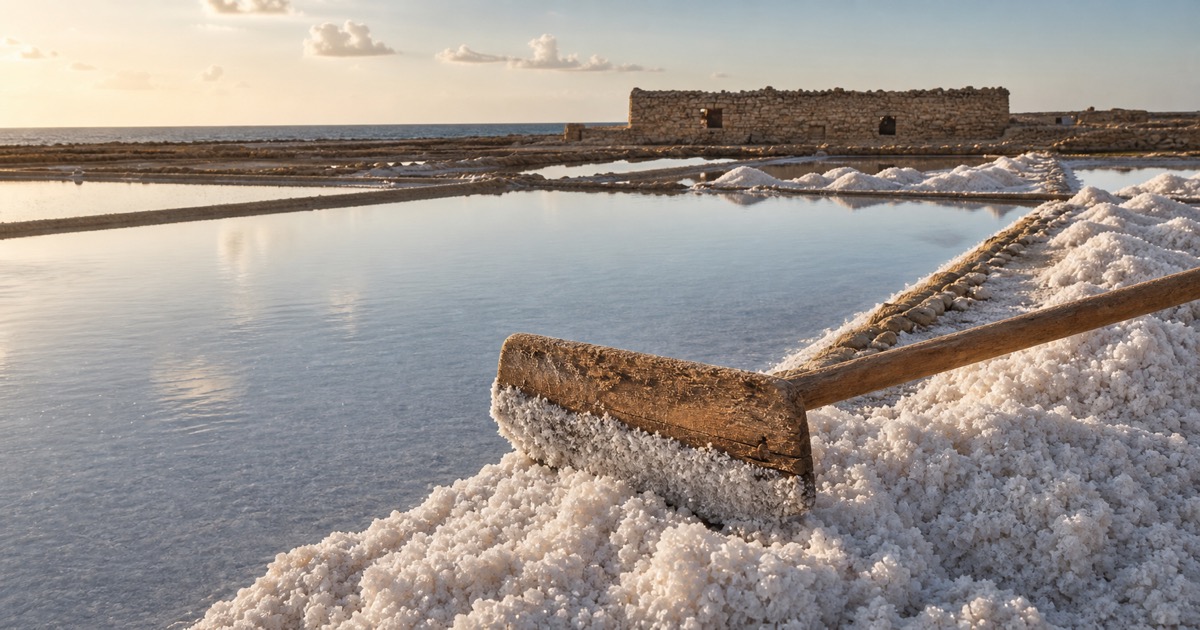 ingredients
The mineral that turned food preservation, caravan trade, and state control into power across centuries
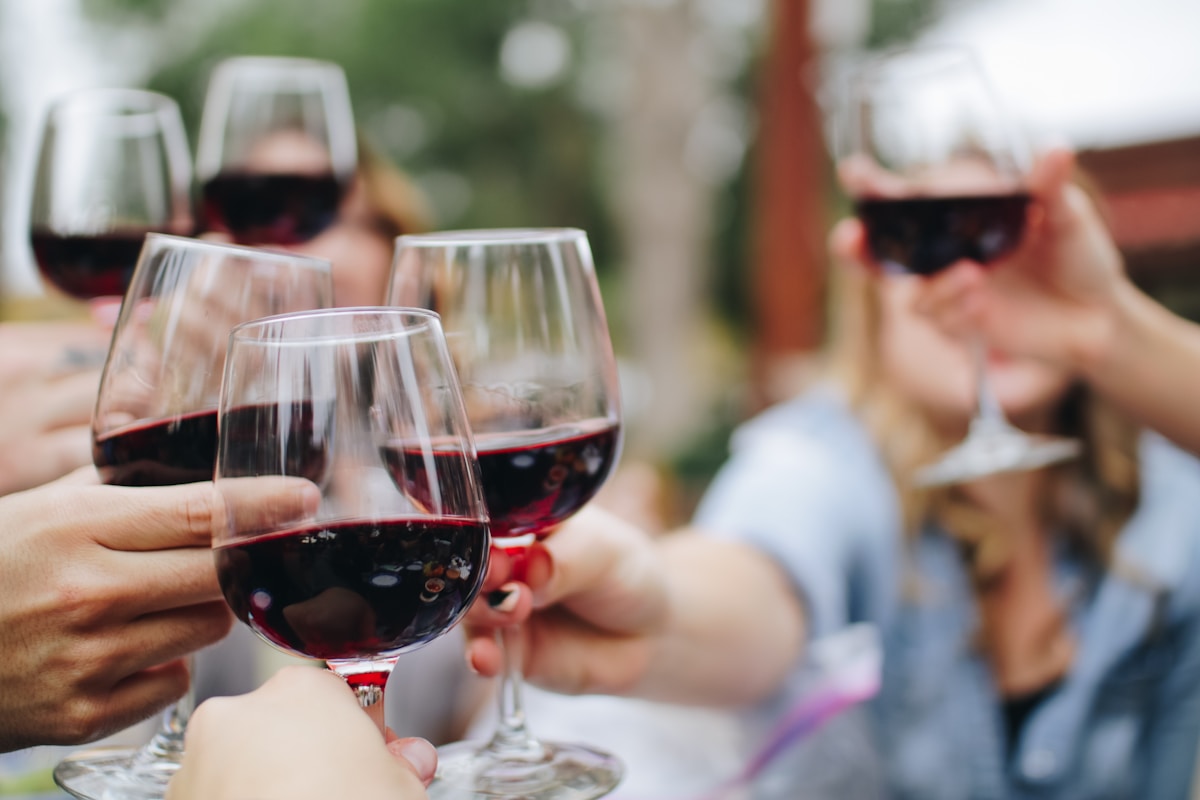 drinks
The divine drink that shaped religion and trade
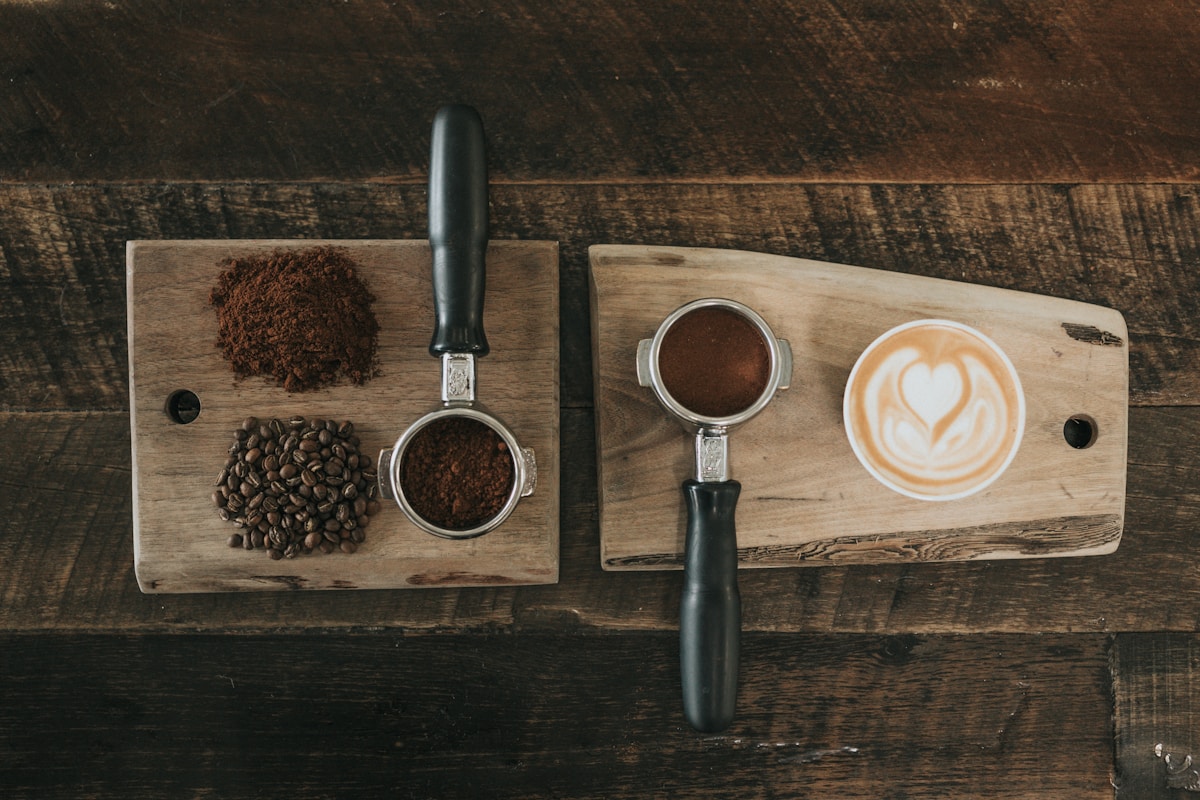 drinks
The evidence-led story of an African plant, a Yemeni brewing culture, the port of Mocha, and the coffeehouses that carried coffee worldwide
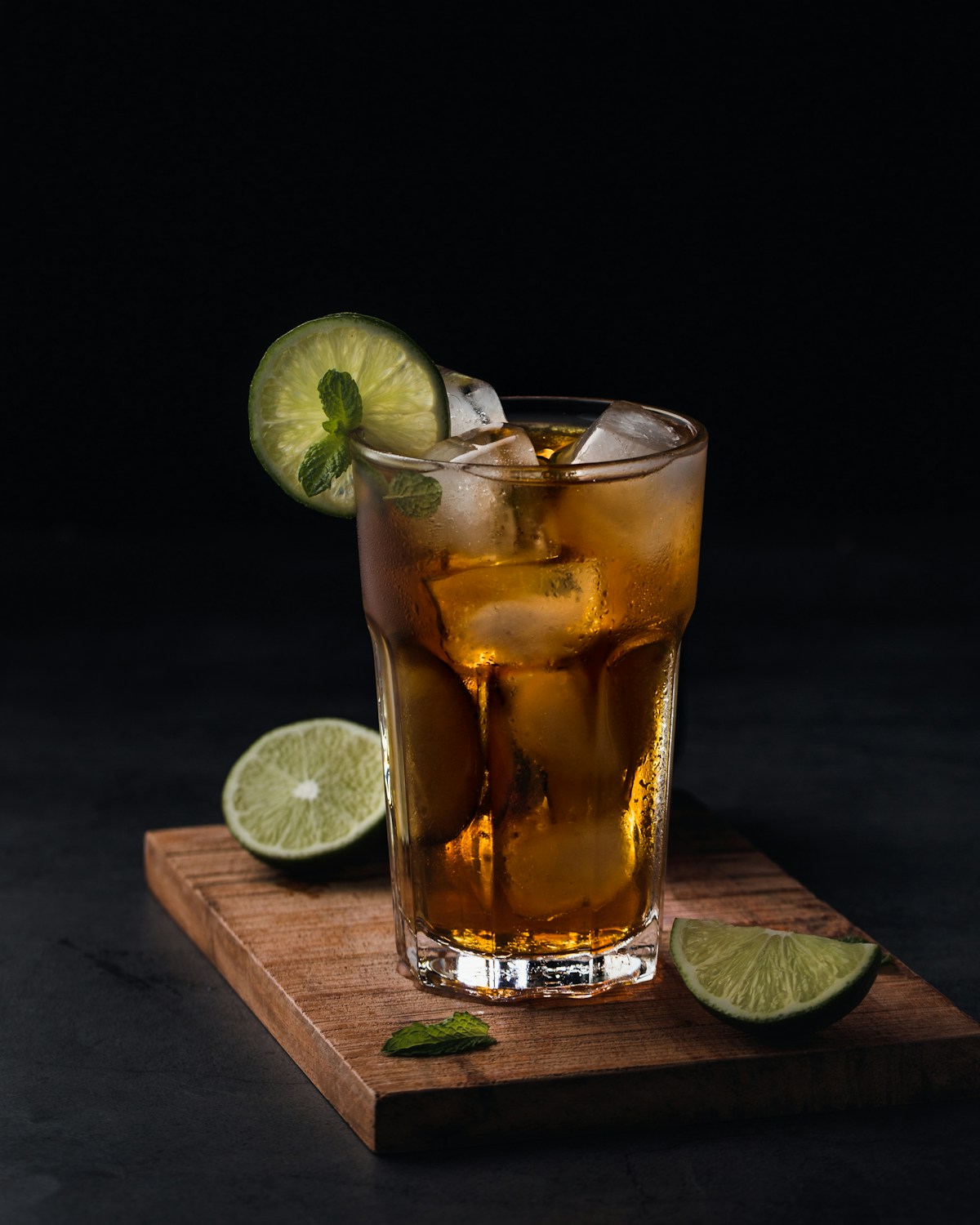 drinks
The leaf that turned ritual, empire, and daily life into a global habit
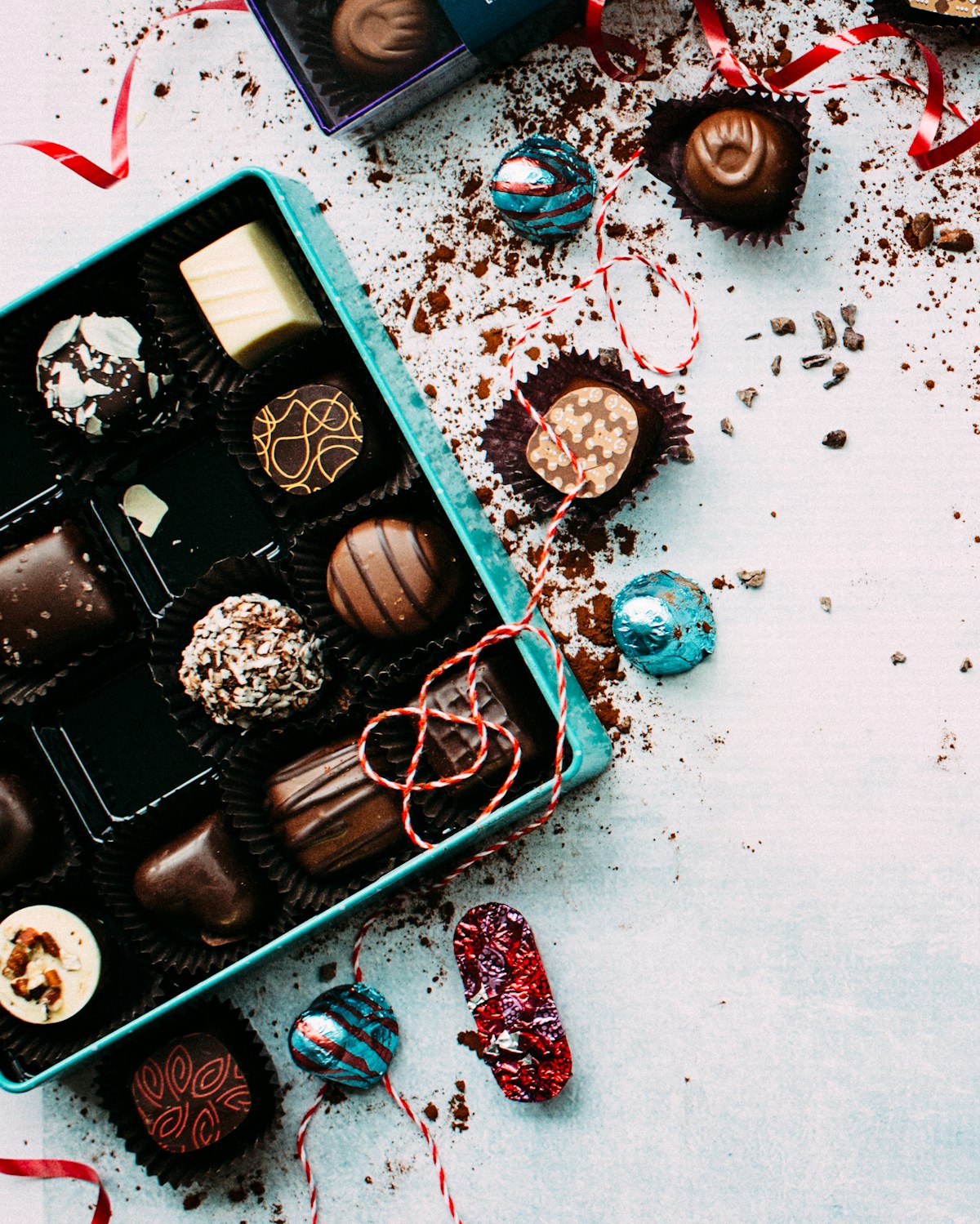 ingredients
The cacao drink that moved from Amazonian domestication and Mesoamerican ritual into colonial sugar, industrial bars, and global luxury
Discover the stories behind everyday ingredients
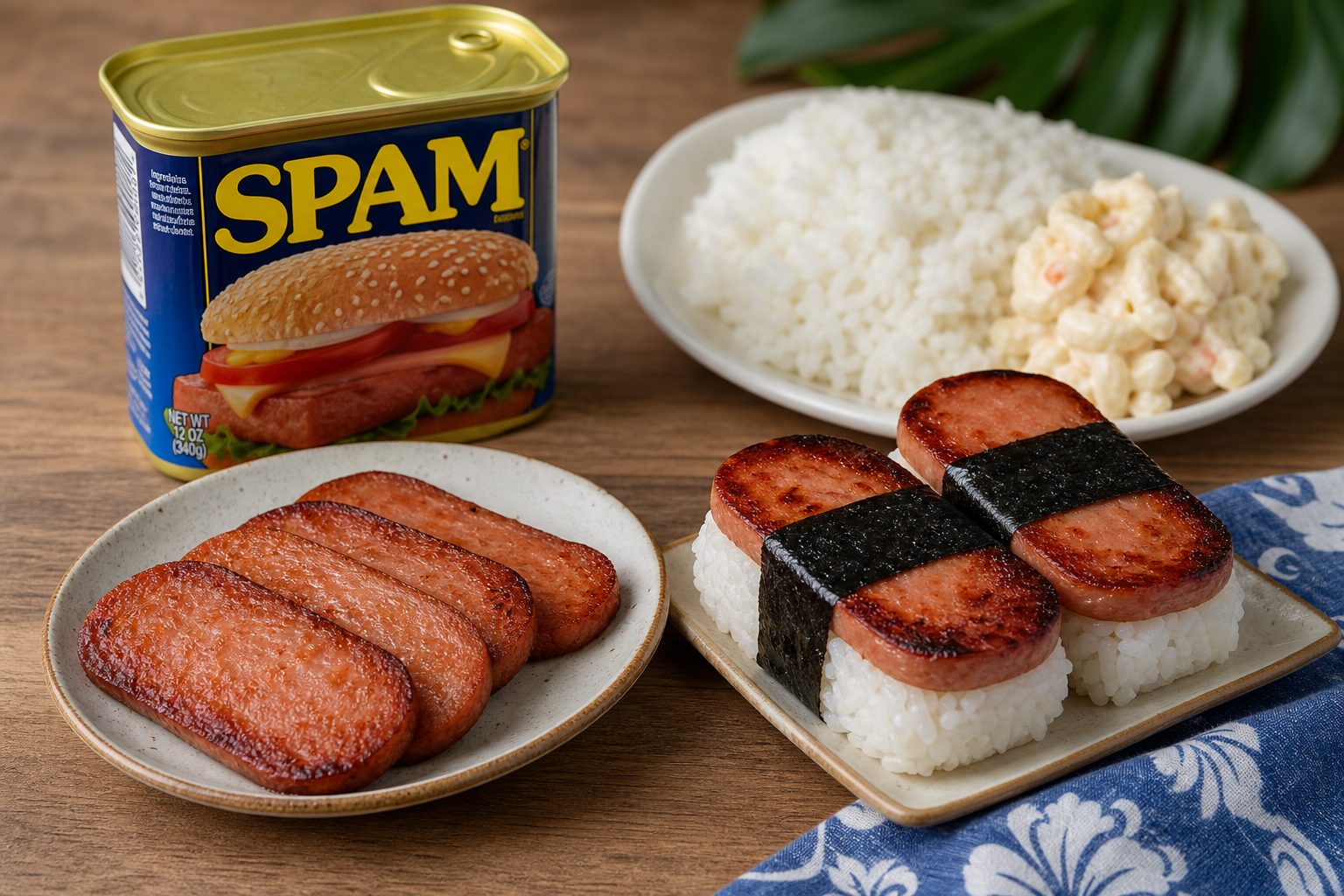 ingredients
The canned cooked pork born at Hormel in 1937, carried across the Pacific by WWII military logistics, and turned into Hawaiian, Korean, and Filipino food identity
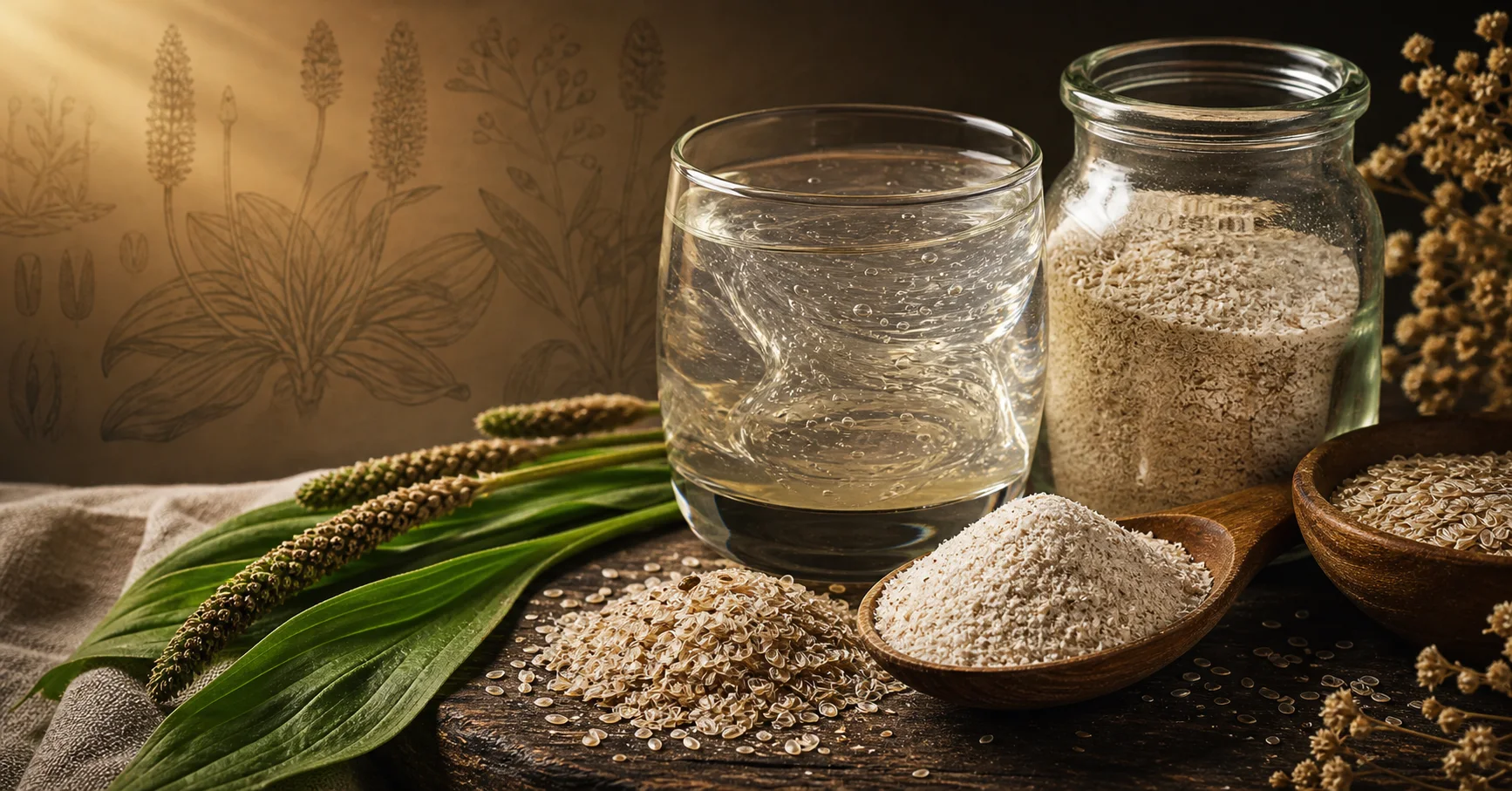 ingredients
The plant carbohydrate humans cannot digest — from Burkitt's 1970s hypothesis to fibermaxxing, inulin sodas, and the modern gut-health framing
ingredientsThe East Asian root whose glucomannan became konnyaku, shirataki noodles, and a 2026 fibermaxxing shortcut
 ingredients
The Mediterranean plant whose roasted root stretched coffee through wars — and whose inulin became the prebiotic darling of fibermaxxing
ingredientsThe plant storage carbohydrate — from chicory and Jerusalem artichoke roots to the prebiotic darling of fibermaxxing and functional sodas
 ingredients
How glutamate isolated from kombu became Ajinomoto, global seasoning, and a contested restaurant-culture story
 dishes
How a regional Mexican meat stew became consommé-dunked tacos and a U.S. viral food
 dishes
How a Partition-era Delhi restaurant dish became one of the world’s most ordered Indian restaurant plates
Follow the deeper systems behind food history: preservation, trade, empire, case files, migration, and cultural exchange.
From curdled stomach milk to rotten grapes, discover the disgusting culinary disasters and accidental fermentations we now obsess over daily.
The dark history of food trade: how corporate spice cartels, black market smuggling, and blood-soaked monocultures built global capitalism.
How innocent carbohydrates like potatoes, sugar, and rice became weapons of empire, funding military conquests and colonial expansion.
Exposing the corporate scams, advertising tricks, and translation errors that fabricated the history of your favorite dishes.
The wild history of poor, portable, preserved, and working-class foods that became elite comfort food, luxury dining, and global obsession.
The trending foods that look brand-new online but carry older stories of fermentation, trade, migration, ritual, and regional food memory.
The fermented accidents, spoiled discoveries, and preservation hacks humans refused to throw away because they tasted too good.
The 2026 matcha-fusion boom in banana, strawberry, pistachio, and yuzu matcha, built on a thousand years of powdered tea, Zen ritual, Uji agriculture, and global cafe reinvention.
The 2026 mainstreaming of ube, pandan, sesame, matcha, yuzu, pistachio, coconut, and rice — Southeast and East Asian dessert flavors moving from diaspora bakeries into global cafe culture.
The 2026 spritz boom mapped through wine, citrus, and mint — from Veneto Aperol and South Tyrolean Hugo to limoncello brightness inside an older European habit of lengthening wine with bubbles.
The 2026 mindful-sweetener wave — dates, honey, maple syrup, cane sugar, and coconut — explained as old agricultural sweeteners, not new wellness inventions.
From Utah soda shops and pharmacy fountains to RTD dirty sodas — cream, syrup, and customization with older American soda roots.
Genmaicha, barley tea, ataya, Thai iced tea, butter tea, and chai — tea cultures that do not need matcha to matter in 2026.
Rendered and clarified cooking fats returning to pantries — with older preservation and flavor logics behind the 2026 comeback.
Fibermaxxing, psyllium, oats, beans, lentils, chickpeas, millet, and barley — the old plant fibers and grains underneath the 2026 fiber boom.
Chili crisp, salsa macha, shito, zhug, and swicy mashups — global chili-in-oil families behind the crunchy-condiment decade.
Vietnamese, Thai, Filipino, and Malay pantry staples moving from restaurants into U.S. grocery and cafe culture.
Keralan/Malabar, Goan, Chettinad, Bengali, Naga, and North Indian bread-and-paneer systems — specificity over stereotype.
Vinegar as preservation acid and drink — shrubs, sekanjabin, Chinkiang, rice vinegar, malt, and citrus acids.
Source-led food stories and Recipe Desk releases, delivered to your inbox.
Every ingredient on your plate has a story and a way to be cooked. We trace those stories from ancient origins to modern kitchens, then turn selected research into original measured recipes. Explore how 250 foods shaped the world, and what they can become in the kitchen today.
Learn More →