💡 Key Takeaways
- Barley (Hordeum vulgare) was among the first cereals domesticated in the Fertile Crescent, with non-shattering spikelets selected for harvest.
- It fed early farming diets as porridge and coarse bread, and supplied malt sugars for beer across Mesopotamia, Egypt, and later Europe.
- Pearl and hulled barley remain pantry staples; 2026 fiber conversations pull the old grain back into modern bowls without inventing a new crop.
Where did barley originate?
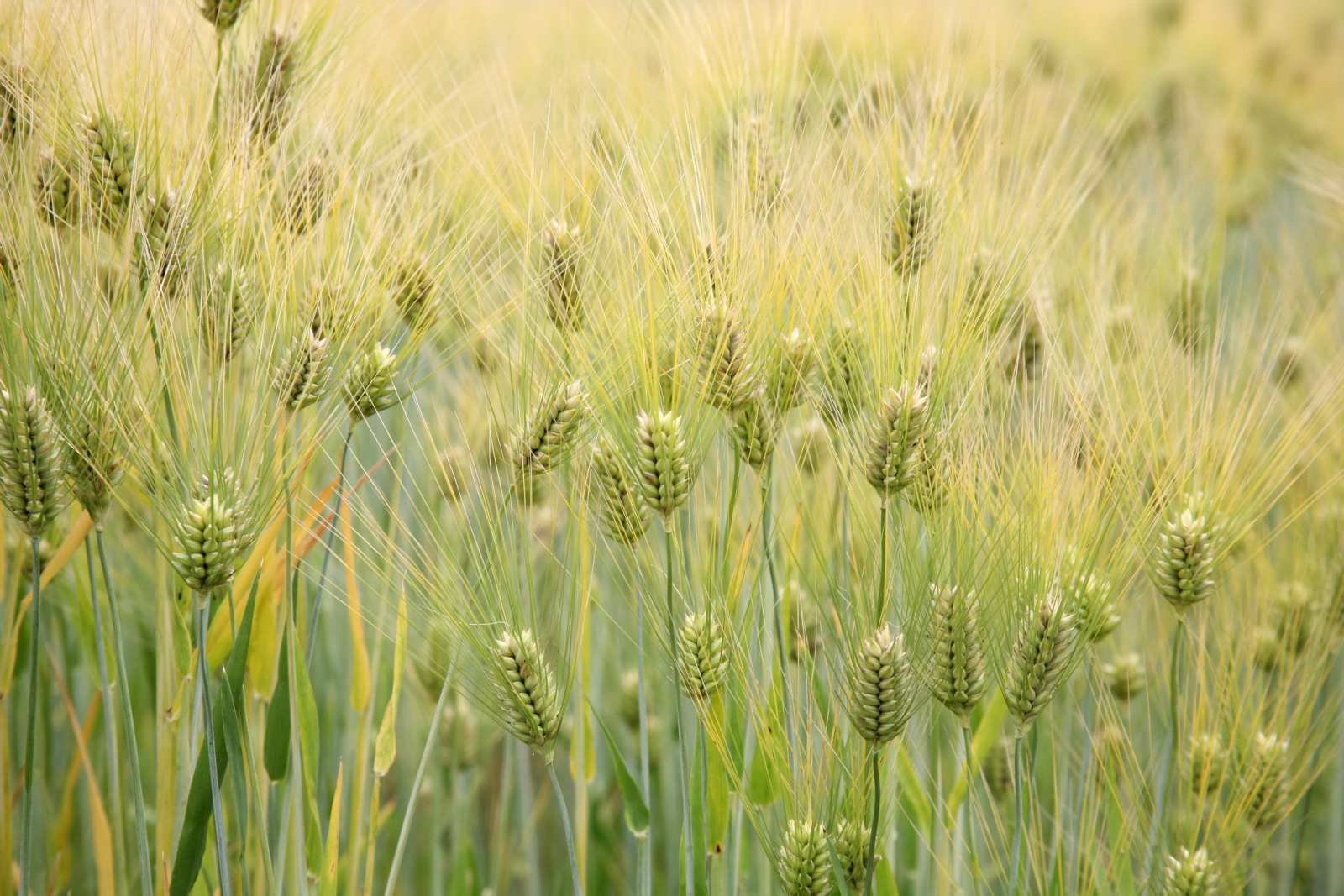
Barley (Hordeum vulgare) is one of the founder crops of Near Eastern agriculture. Domestication in the Fertile Crescent selected plants whose spikelets stayed on the ear at maturity, making harvest reliable [1][2][4]. By the early Holocene, barley sat beside emmer and einkorn wheat as a daily cereal of farming villages.
The crop prefers cool temperate conditions and tolerates poorer, saltier soils better than many wheats — a practical advantage for early irrigation societies [4]. That hardiness helps explain why barley history is not a prestige-only story: it was often the dependable grain when finer white bread wheat was scarce or expensive.
Beer, Malt, and Early Grain Economies
Barley’s food-history fame is inseparable from beer. Malting — steeping, germinating, and drying grain — unlocks sugars that yeast can ferment. Mesopotamian and Egyptian records treat barley beer as ration, wage, and ritual drink long before hops defined northern European styles [1][2].
Malt also sweetened porridges and early breads. The same plant that filled clay beer jars filled soup pots. When readers ask “barley origin,” the honest answer is agricultural: a Near Eastern cereal that became both calorie crop and brewing substrate.
Bread, Porridge, and Everyday Tables
Across the Mediterranean and northern Europe, barley made dense breads, gruels, and potages when wheat flour was limited. Scottish beremeal, Middle Eastern freekeh-adjacent whole-grain dishes, and medieval European soups all kept barley close to the fire [1][3]. Bread culture often ranked wheat higher for loft and whiteness, but barley remained the workhorse.
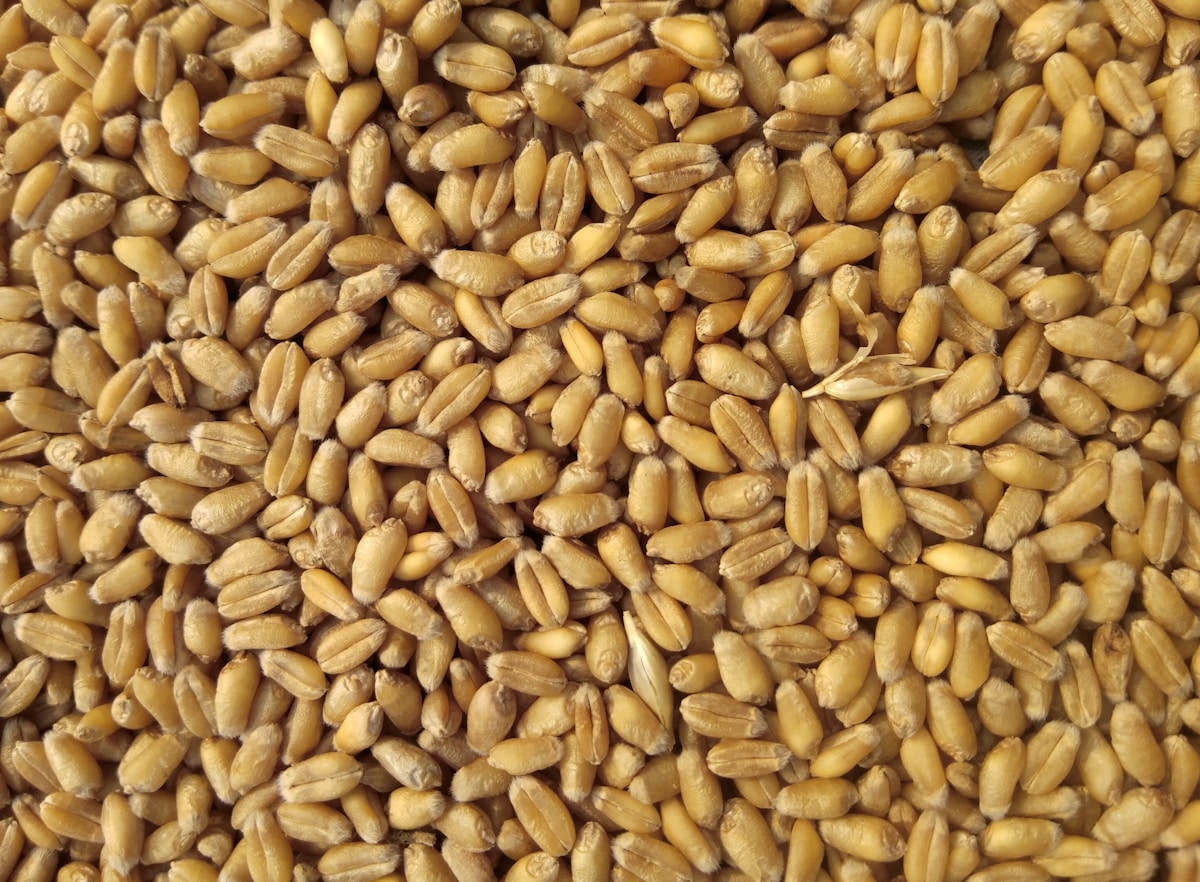
Sourdough and mixed-grain baking still use barley flour for flavor and fiber. Hulled barley keeps bran; pearl barley is polished for quicker cooking — a milling choice, not a different species [3].
Fiber, Ancient Grains, and 2026 Pantry Status
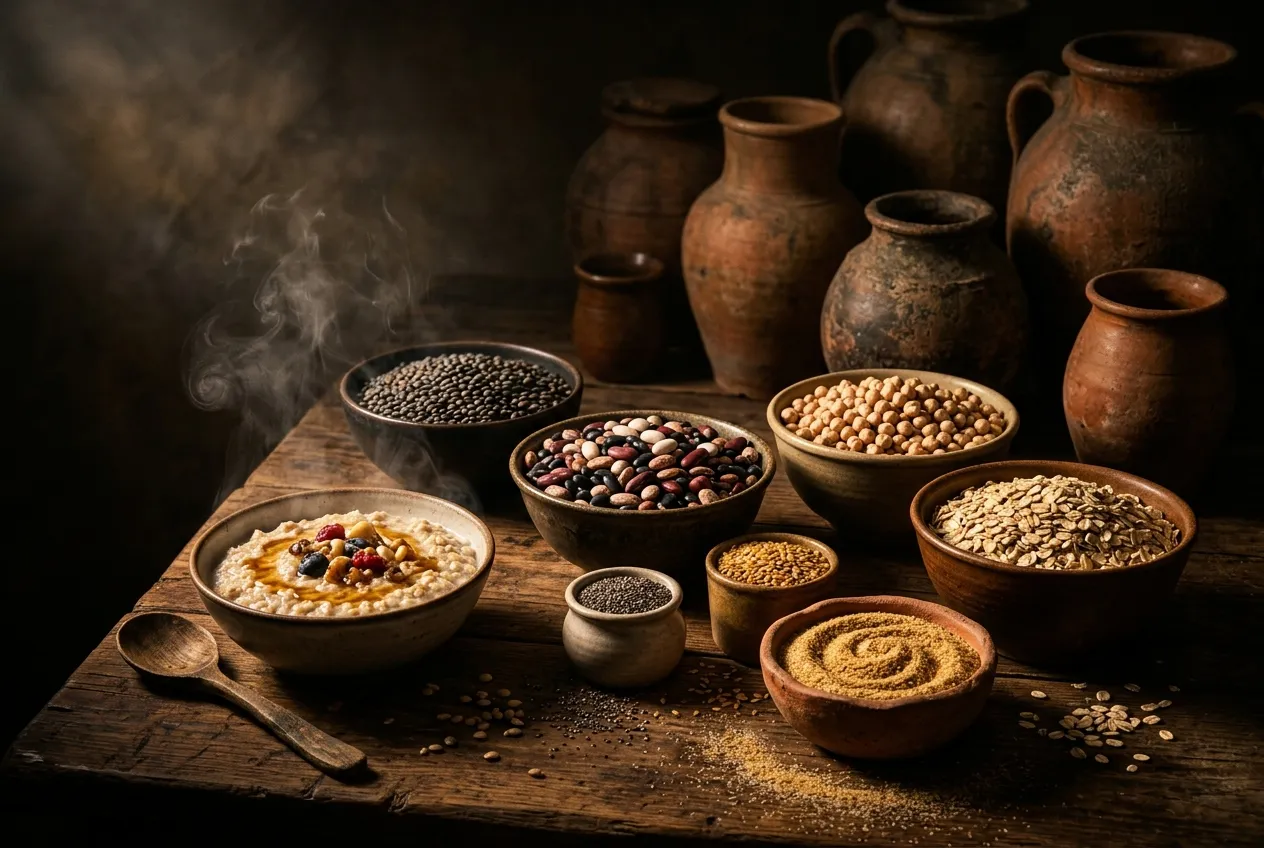
Barley returns in 2026 coverage as an “ancient grain” and fibermaxxing pantry item beside oats, beans, and lentil stews — a rename of long practice, not a new invention [1][5]. Barley tea (mugicha, boricha) also keeps the grain visible in East Asian drink culture.
For this site, barley anchors beer, bread, and fiber hubs without medical claims: it is a domestication story, a malt story, and a porridge story that still cooks well in a modern bowl.
In the news
Recent 2026 food-culture notes that reference this article.
Historical Timeline
Barley domestication takes shape in the Fertile Crescent
Barley becomes a staple grain for porridge, breads, rations, and early beer malt
Barley remains a northern European and Mediterranean workhorse grain for bread, soup, and brewing
Pearl barley enters global pantries; malt barley underpins industrial brewing
Ancient-grain and fibermaxxing coverage renews interest in barley bowls and barley tea
Evidence Explorer
Review the Source Trail
Inspect the article sources, scoped review credits, and copyable citation details without leaving the page.
Reviewed for Stated Scope
Sources Listed
Comments
Community comments are coming soon. Check back later to join the discussion!