💡 Key Takeaways
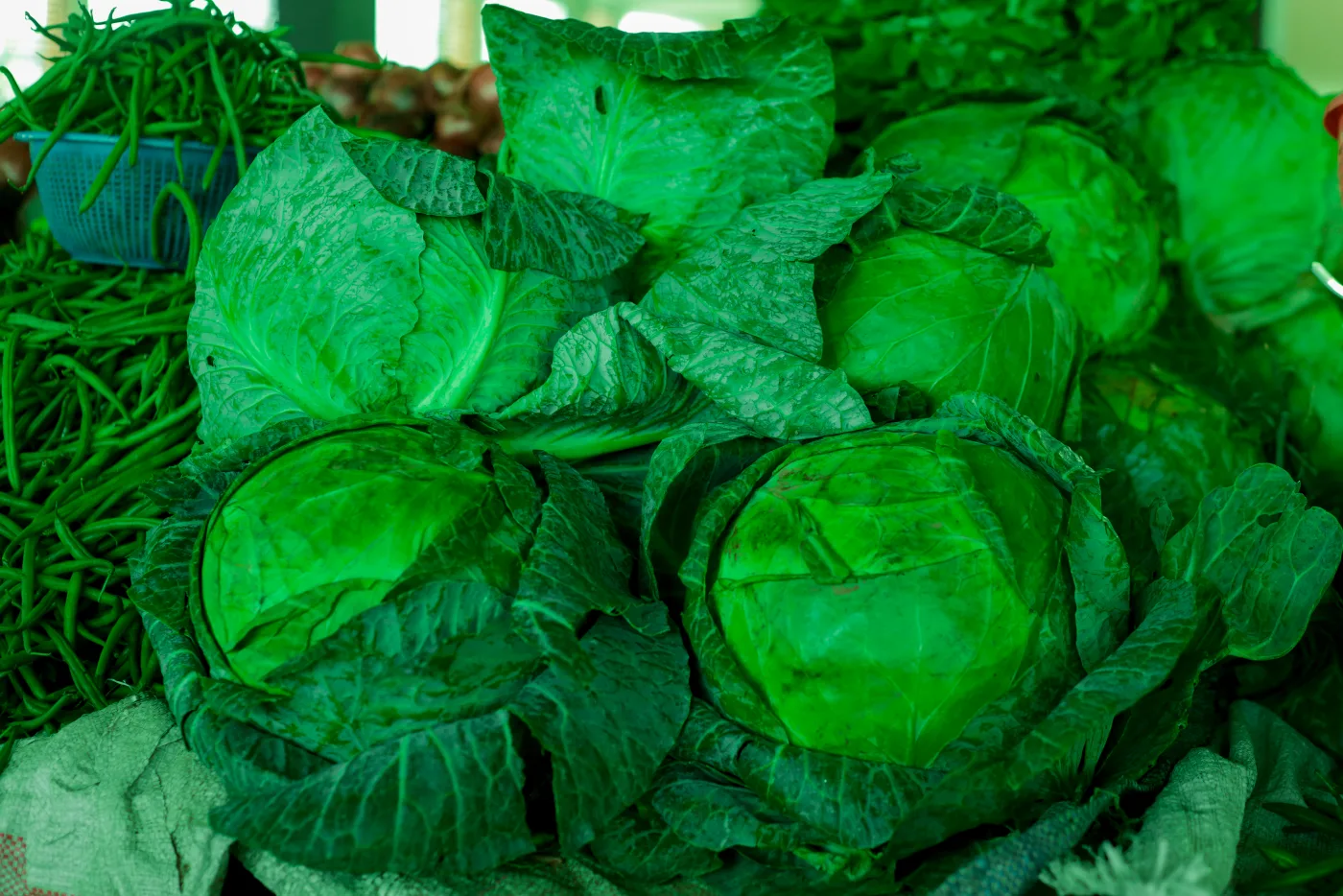
- Cabbage is a leafy brassica — Brassica oleracea, variety capitata — domesticated from wild sea cabbage around 4,000 years ago and grown for its dense green, red, or Savoy heads.
- It is the same species as broccoli, cauliflower, Brussels sprouts, kohlrabi, and kale — one wild coastal plant reshaped by humans into leaves, buds, stems, and flower clusters.
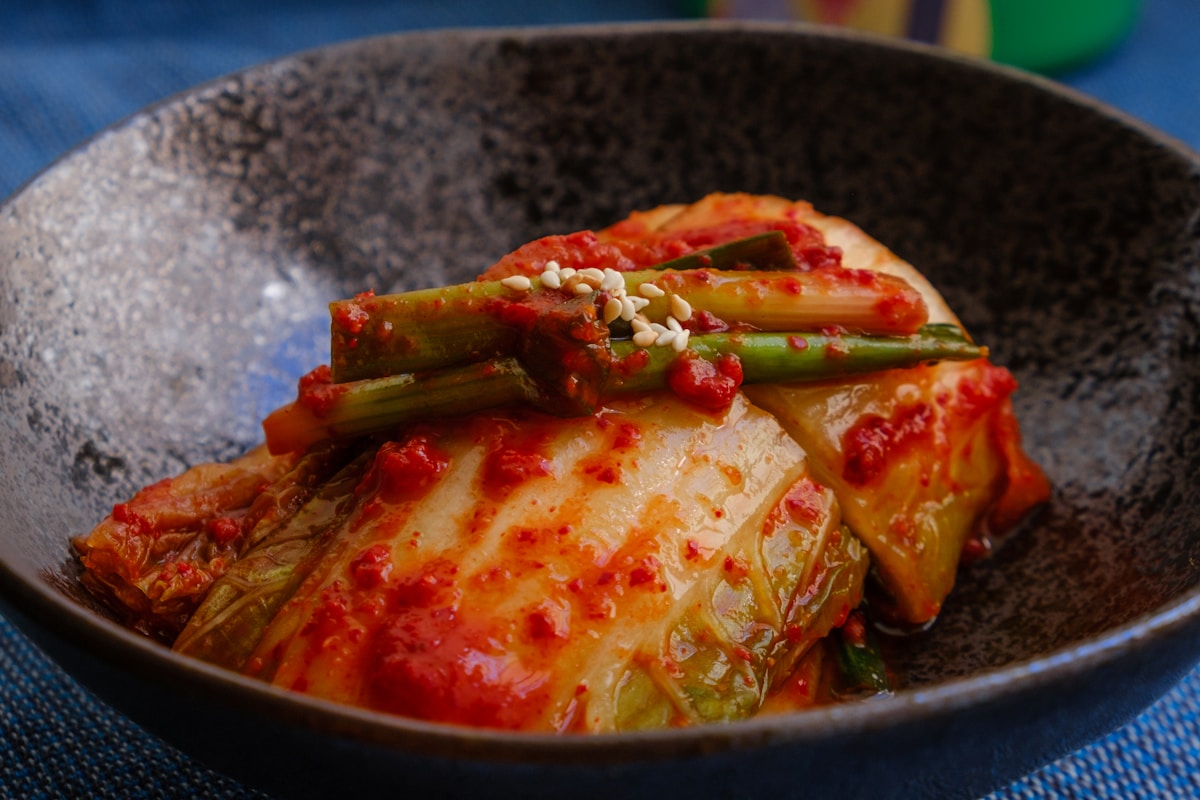
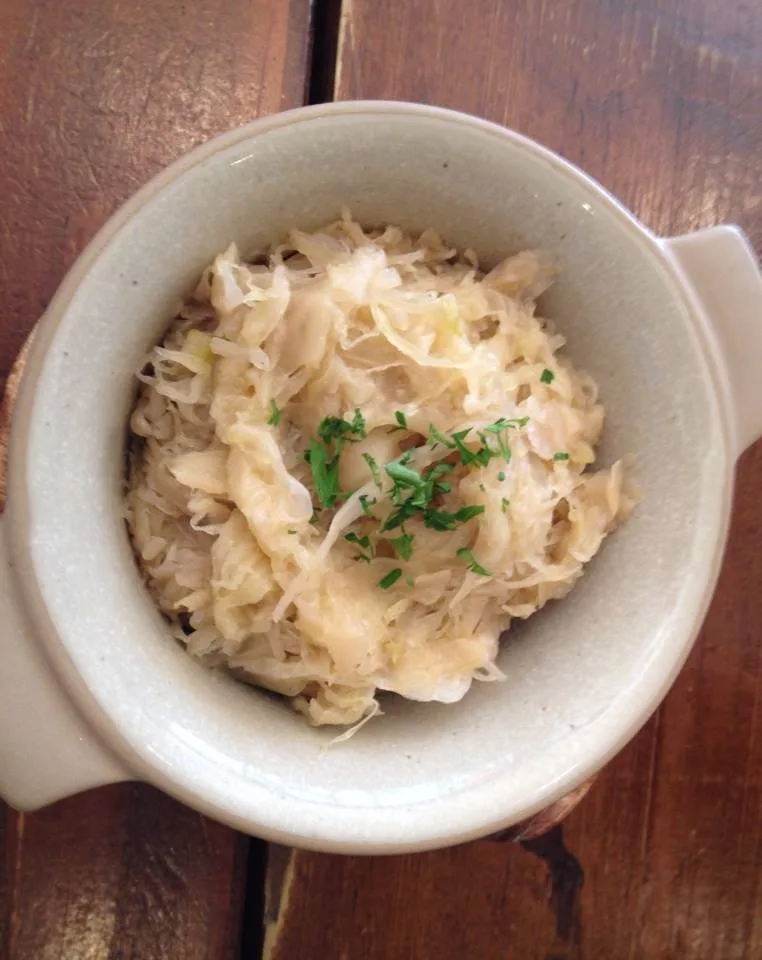
- Cabbage's deepest food-history move was meeting salt: lacto-fermented cabbage became sauerkraut in Central Europe and kimchi in Korea, two of the world's great preserved foods.
- Cabbage leaves are a natural wrapper: Polish golumpki, Ukrainian holubtsi, Romanian sarmale, and Chinese and Korean cabbage dumplings are mostly 19th-century peasant formats now trending again.
- Pinterest Predicts 2026 flagged a "Cabbage Crush": cabbage dumplings up 110%, golumpki soup up 95%, fermented cabbage up 35%, and cabbage alfredo up 45% — an ancient brassica in familiar wrapped and fermented formats.
What Is Cabbage?
Cabbage is a leafy brassica — Brassica oleracea, variety capitata — grown for its dense, rounded heads of green, red, or crinkled Savoy leaves. It is one of the oldest and most widely adapted cultivated vegetables, and the seed stock for a huge family of "cole crops": broccoli, cauliflower, Brussels sprouts, kohlrabi, and kale are all the same species, bred in different directions [1][2].
As food history, cabbage is less a single vegetable than a 4,000-year branching project: humans took one wild coastal plant and reshaped it into leaves, buds, stems, and flower clusters. It is also the base of two of the world's great fermented foods — kimchi and sauerkraut — and the wrapper for dumplings and stuffed rolls now trending again in 2026 [3].
Wild Sea Cabbage and 4,000 Years of Domestication
Cabbage was domesticated from wild sea cabbage (Brassica oleracea var. oleracea), a tough, loose-leafed plant that still grows on the limestone cliffs and coasts of the Mediterranean and Atlantic Europe [1]. Domestication began roughly 4,000 years ago, selecting first for larger, tenderer leaves and later for the tight, dense heads we now recognize as cabbage [2].
The same wild species, under different selection pressures, produced kale (leaves), kohlrabi (stems), Brussels sprouts (lateral buds), broccoli (flower buds), and cauliflower (flower clusters) — a single plant scattered across the produce aisle [3]. Cabbage, with its wrapped head, was the selection for storage: a compact, protected leaf mass that could keep through winter.
Rome, Medieval Europe, and the Staple Cabbage
The Romans knew cabbage well and grew several forms, treating it as both food and medicine; Pliny described cultivated cole crops in detail [1]. Through the Roman and then medieval periods, cabbage spread across Europe as a cheap, cold-hardy, calorie-and-vitamin staple that could be stored into winter, fermented, or boiled into soups and stews [2].
In much of Northern and Central Europe, cabbage became peasant backbone food — the vegetable that got people through the months before spring, often preserved with salt as sauerkraut. Its value was practical: it grew easily, stored well, and fed a household from a small patch of ground.
Cabbage Meets Salt: Sauerkraut and Kimchi
Cabbage's deepest food-history move was meeting salt. Lacto-fermented cabbage — sauerkraut in Central Europe and kimchi in Korea — turns a perishable leaf into a shelf-stable, probiotic, flavor-intensive food that carries vitamins through winter [1]. Sauerkraut became a Central European and migration-era staple; kimchi became Korean identity, now UNESCO-recognized [2].
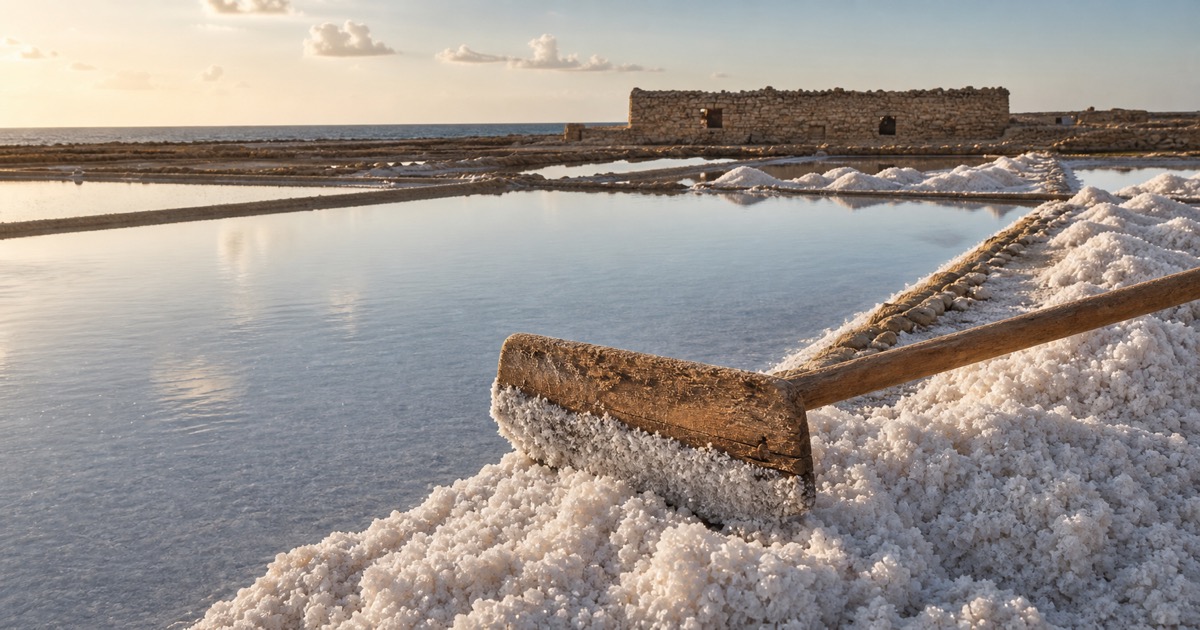
Both rest on the same chemistry: salt pulls water from the cabbage, lactic acid bacteria lower the pH, and the cabbage keeps for months. See the fermented foods collection for the wider story of how vinegar and salt turned perishables into keepers.
Stuffed Cabbage, Dumplings, and the 2026 Cabbage Crush
Cabbage leaves are a natural wrapper, and many cuisines wrap them around grains and meat: Polish golumpki, Ukrainian holubtsi, Romanian sarmale, Jewish holishkes, and Chinese and Korean cabbage dumplings [1]. These are mostly 19th-century peasant formats — cheap cabbage around cheaper grain — and they are exactly what Pinterest Predicts 2026 flagged as breakouts: cabbage dumplings up 110%, golumpki soup up 95%, fermented cabbage up 35%, and cabbage alfredo up 45% [2].
The 2026 "Cabbage Crush" is a return of an ancient brassica in familiar wrapped and fermented formats. The "new" trend is an old peasant vegetable in a dumpling wrapper or a soup bowl.
Why Cabbage Endures
Cabbage endures because it is cheap, cold-hardy, productive, flexible, and preservable. It feeds people fresh, boiled, fried, wrapped, and fermented; it stores through winter; and its wild ancestor still grows on the cliffs where domestication began [1].
The 2026 trend is the latest loop in a 4,000-year story of humans reshaping one coastal plant into half the produce aisle and two of the world's great ferments [2]. Cabbage is not exciting because it is new. It is exciting because it never left.
In the news
Recent 2026 food-culture notes that reference this article.
Historical Timeline
Wild sea cabbage (Brassica oleracea) is brought into cultivation around the Mediterranean and Atlantic coasts, selected for larger, tenderer leaves.
Romans cultivate several cole crops and treat cabbage as food and medicine; Pliny describes cultivated forms in detail.
Cabbage spreads across Europe as a cheap, cold-hardy winter staple, stored fresh, boiled into soups and stews, or preserved with salt.
Lacto-fermented cabbage becomes sauerkraut in Central Europe and the ancestor of kimchi in Korea, turning a perishable leaf into a shelf-stable winter food.
Stuffed cabbage rolls — Polish golumpki, Ukrainian holubtsi, Romanian sarmale — spread as peasant formats wrapping cheap cabbage around cheaper grain and meat.
Industrial agriculture and global trade make cabbage a year-round commodity; kimchi is recognized by UNESCO as Korean intangible cultural heritage in 2013.
Pinterest Predicts 2026 flags a "Cabbage Crush": cabbage dumplings up 110%, golumpki soup up 95%, fermented cabbage up 35%, and cabbage alfredo up 45%.
Evidence Explorer
Review the Source Trail
Inspect the article sources, scoped review credits, and copyable citation details without leaving the page.
Sources Listed
Comments
Community comments are coming soon. Check back later to join the discussion!