💡 Key Takeaways
- Common oats (Avena sativa) were domesticated as a secondary crop that hitchhiked among wheat and barley before becoming a deliberate cool-climate cereal.
- Oats thrived in wetter, cooler Northwest Europe, where porridge, oatcakes, and livestock feed made them a cultural staple — especially in Scotland and Ireland.
- In 2026, oats sit at the center of overnight-oats culture, oat milk, and fibermaxxing, linking an old porridge grain to modern gut-health and breakfast trends.
Where did oats originate?
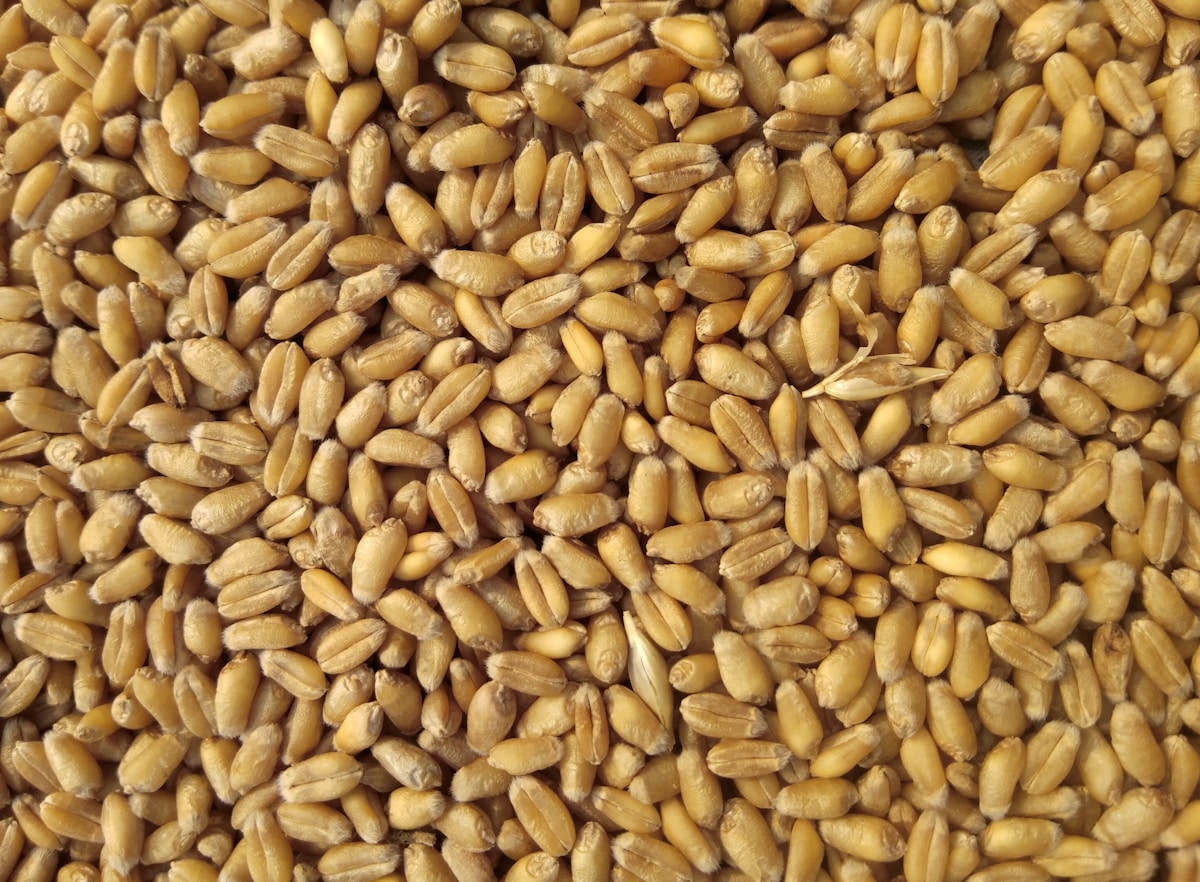
Common oats (Avena sativa) began less as a chosen staple than as a hitchhiker. Archaeobotanical evidence suggests oats first appeared as weeds among wheat and barley fields; only later did farmers in cooler, wetter zones select them as a crop in their own right [1][2][3]. Compared with wheat, oats need less summer heat and more moisture, tolerate poorer and more acidic soils, and grow vigorously enough to outcompete many weeds [3].
That ecology made oats a northern European success. Where Mediterranean and Near Eastern bread grains dominated warmer zones, oats filled the cool Atlantic fringe — the British Isles, Scandinavia, and parts of Central Europe — as both human food and livestock fodder [2].
Northern Europe: Porridge, Oatcakes, and Pride
In Scotland, Ireland, and northern England, oats became daily food: porridge simmered with water or milk, oatcakes baked on griddles, and thick broths that stretched scarce meat. The grain's association with poverty and horses in southern England — immortalized in Johnson's dictionary jab — only sharpened Scottish culinary identity around oats [1].
Medieval and early modern households valued oats because they stored well, fed animals through winter, and cooked into filling meals without the gluten structure of wheat bread. Honey and later sugar sweetened festival porridges, but the everyday bowl was often plain, salted, and sustaining [4].
From Mill to Breakfast Brand
Steel-cut and rolled oats turned a regional staple into a packaged breakfast. Nineteenth-century milling and branding — including Quaker Oats in North America — standardized flakes that cooked faster than whole groats and traveled easily by rail [1][2]. Oatmeal became a moralized breakfast: plain, economical, and "wholesome" in industrial cities.
Immigrants from the British Isles carried oat habits abroad, while colonial and settler agriculture expanded oat acreage for horses and humans alike. By the twentieth century, oats were a global commodity crop even as wheat and maize claimed more prestige in many markets [6].
Oat Milk, Overnight Oats, and Fibermaxxing in 2026
The 2010s made oats liquid: oat milk became a cafe default for coffee, competing with dairy milk on creaminess and barista foam. Overnight oats — soaked rather than cooked — turned the same flakes into meal-prep breakfast culture. Both formats are modern, but they rest on the old logic of oats as a soft, hydrating starch [4].
In 2026, fibermaxxing pulls oats into the same conversation as psyllium and other high-fiber foods: beta-glucan, gut-health talk, and ancient-grain aesthetics on social feeds [5][7]. The trend reframes porridge as functional food without inventing a new plant — only a new reason to eat an old one.
How Oats Are Used Today
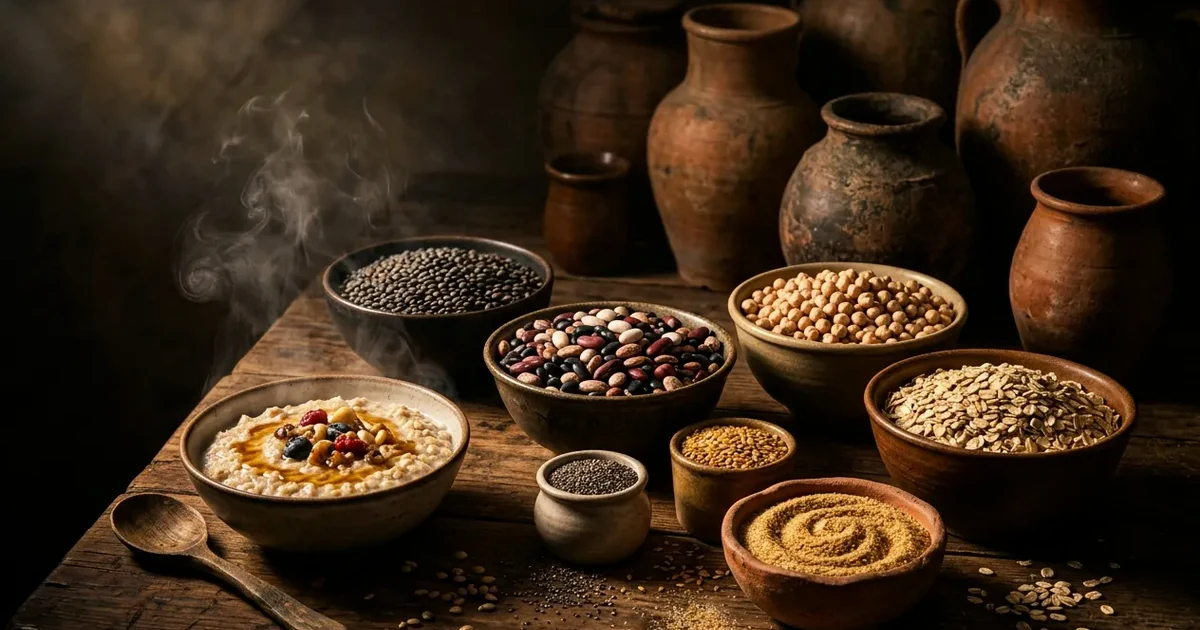
Today oats appear as rolled flakes, steel-cut groats, oat bran, flour, granola, and plant milk. They thicken meatloaf and veggie burgers, bind energy bites with dates or honey, and sit beside beans and other legumes in high-fiber meal planning. Major producers include Russia, Canada, Poland, Finland, and Australia [6].
Whether as a slow Scottish porridge or a jar of overnight oats with fruit, the through-line is the same cool-climate cereal that once filled the gaps wheat left behind — now filling cafe menus and fibermaxxing shopping lists.
In the news
Recent 2026 food-culture notes that reference this article.
- Jul 25, 2026The High-Fiber Muffin Is the Quiet Workhorse of the 2026 Fiber Trend→
- Jul 6, 2026Beta-Glucan Oats: Marketing vs Porridge History→
- Jun 16, 2026What Is Fibermaxxing? Meaning, Origins, and the Foods Behind It→
- Jun 15, 2026The High-Fiber Smoothie Trend Rests on Beans, Oats and Fermentation→
- Jun 12, 2026Psyllium Origin: The 3,500-Year-Old Plant Behind Fibermaxxing→
- Jun 11, 2026Fibermaxxing Searches Rose 115%: Why an Old Pantry Went Viral→
Historical Timeline
Wild and weedy oats appear among early wheat and barley fields in Europe and the Near East
Oats emerge as a deliberate cool-climate crop in parts of Europe
Oat porridge, oatcakes, and fodder become staples of northern European and British Isles diets
Scottish and Irish oat traditions travel with migrants; rolled oats and commercial milling expand
Quaker Oats and industrial rolled-oat branding help standardize breakfast oats in North America
Oat milk and overnight oats go global as plant-milk and meal-prep formats
Fibermaxxing and gut-health culture lift oats alongside psyllium and other high-fiber staples
Evidence Explorer
Review the Source Trail
Inspect the article sources, scoped review credits, and copyable citation details without leaving the page.
Sources Listed
Comments
Community comments are coming soon. Check back later to join the discussion!