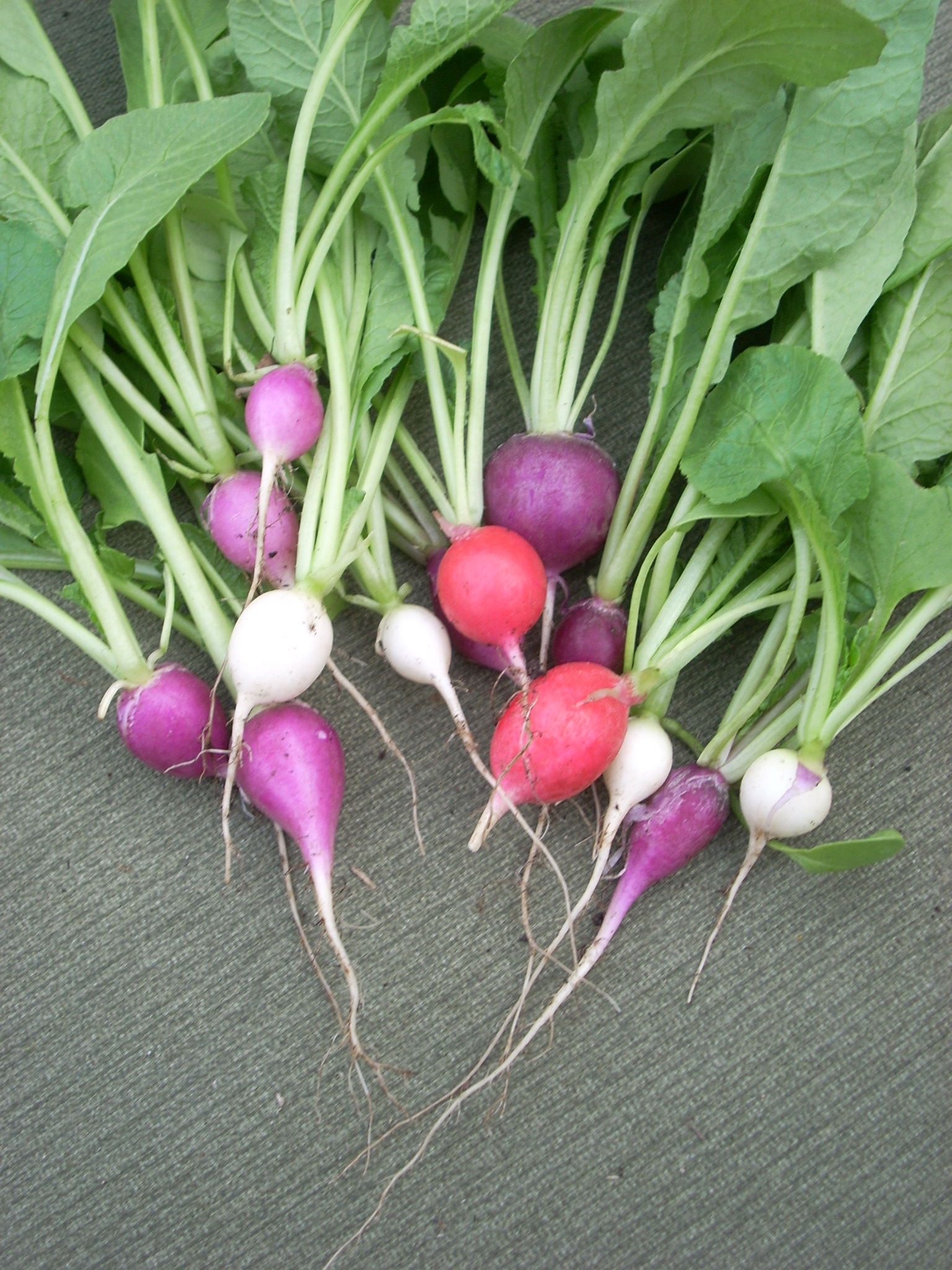
💡 Key Takeaways
- The radish is a flowering plant in the mustard family, Brassicaceae.
- Its large taproot is commonly used as a root vegetable, although the entire plant is edible and its leaves are sometimes used as a leaf vegetable.
- Radish is deeply integrated into global culinary traditions and human history.
Where did radish originate?
The radish is a flowering plant in the mustard family, Brassicaceae. Its large taproot is commonly used as a root vegetable, although the entire plant is edible and its leaves are sometimes used as a leaf vegetable. Originally domesticated in Asia, radishes are now grown and consumed globally. The radish is sometimes considered to form a species complex with the wild radish and instead treated as the subspecies Raphanus raphanistrum subsp. sativus.
How did radish evolve over time?
From its ancient origins, radish embarked on an extraordinary journey across continents and centuries. Ancient trade routes carried it to new civilizations, each of which adapted it to their own culinary traditions. In the ancient world, it was often considered valuable. As trade networks expanded, it gradually became accessible to broader populations.
Why is radish culturally important?
Radish holds deep cultural significance across many civilizations. It has appeared in folklore, art, and literature throughout history. Different cultures have developed unique traditions, recipes, and rituals centered around radish, making it a powerful symbol of identity and heritage. Today, the global market reflects its enduring importance.
Historical Timeline
Earliest evidence of radish use
Radish spreads through trade routes
Radish becomes integral to global cuisine
Radish becomes a global commodity
Evidence Explorer
Review the Source Trail
Inspect the article sources, scoped review credits, and copyable citation details without leaving the page.
Sources Listed
Comments
Community comments are coming soon. Check back later to join the discussion!