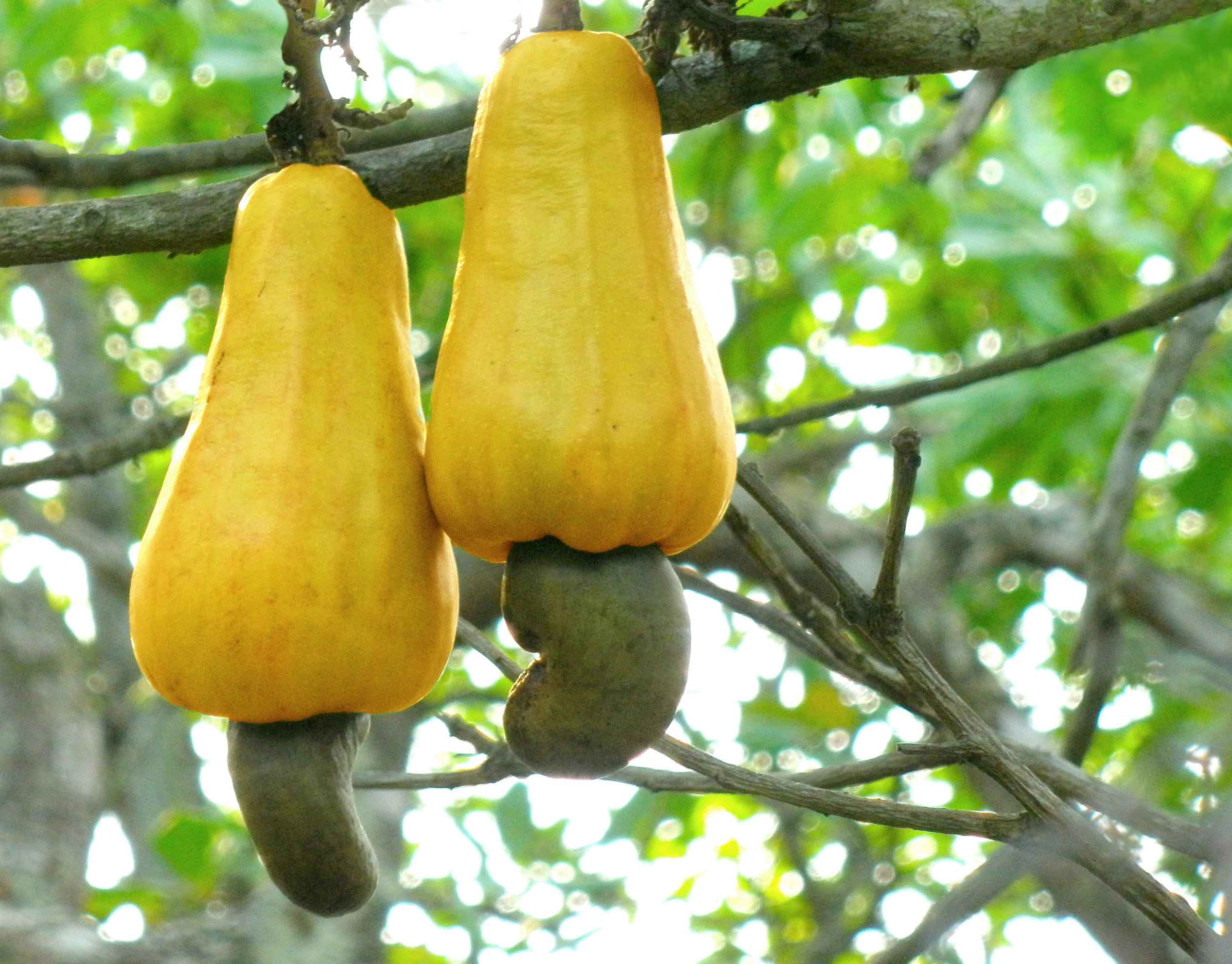
High resolution image of Cashew - historical ingredient

Cashew

The fascinating history of cashew

๐Ÿ“ Worldwide๐Ÿ“… 5,000 BCEโฑ 6 min read
Published: March 1, 2024ยทUpdated: June 1, 2024ยทBy Dr. Marcus Thorne
Advertisement

๐Ÿ’ก Key Takeaways

  • Cashew is the common name of a tropical evergreen tree Anacardium occidentale, in the family Anacardiaceae.
  • It is the source of the cashew nut and the cashew apple.
  • Cashew is deeply integrated into global culinary traditions and human history.

Where did cashew originate?

Cashew is the common name of a tropical evergreen tree Anacardium occidentale, in the family Anacardiaceae. It is the source of the cashew nut and the cashew apple. The tree can grow as tall as 14 meters....

Cashew is the common name of a tropical evergreen tree Anacardium occidentale, in the family Anacardiaceae. It is the source of the cashew nut and the cashew apple. The tree can grow as tall as 14 meters.

Advertisement

How did cashew evolve over time?

From its ancient origins, cashew embarked on an extraordinary journey across continents and centuries. Ancient trade routes carried it to new civilizations, each of which adapted it to their own culinary traditions. In the ancient world, it was often considered valuable. As trade networks expanded, it gradually became accessible to...

From its ancient origins, cashew embarked on an extraordinary journey across continents and centuries. Ancient trade routes carried it to new civilizations, each of which adapted it to their own culinary traditions. In the ancient world, it was often considered valuable. As trade networks expanded, it gradually became accessible to broader populations.

Why is cashew culturally important?

Cashew holds deep cultural significance across many civilizations. It has appeared in folklore, art, and literature throughout history. Different cultures have developed unique traditions, recipes, and rituals centered around cashew, making it a powerful symbol of identity and heritage. Today, the global market reflects its enduring importance....

Cashew holds deep cultural significance across many civilizations. It has appeared in folklore, art, and literature throughout history. Different cultures have developed unique traditions, recipes, and rituals centered around cashew, making it a powerful symbol of identity and heritage. Today, the global market reflects its enduring importance.

Historical Timeline

5,000 BCE

Earliest evidence of cashew use

Ancient

Cashew spreads through trade routes

Medieval

Cashew becomes integral to global cuisine

Modern

Cashew becomes a global commodity

๐ŸŽ‰ Fun Historical Facts

  • โ€ขCashew has been a part of human culture for thousands of years.
  • โ€ขThe history of cashew is intertwined with global exploration.

๐Ÿ“š Sources & References

  1. Alan Davidson. The Oxford Companion to Food. Oxford University Press (2014).
  2. Kenneth F. Kiple & Kriemhild Conee Ornelas. Cambridge World History of Food. Cambridge University Press (2000).

This article draws on peer-reviewed research, museum archives, and authoritative historical records. Sources are cited for transparency and accuracy.

Advertisement
๐Ÿ›๏ธ

Written by Dr. Marcus Thorne

Food historian and researcher. Our articles are rigorously researched using academic journals, archaeological records, and historical texts.

Comments

Community comments are coming soon. Check back later to join the discussion!