💡 Key Takeaways
- Cauliflower is a cultivated form of Brassica oleracea, the same species behind cabbage, broccoli, Brussels sprouts, kale, and kohlrabi.
- Its edible white head is not a root or fruit; it is a compact curd of undeveloped flower buds selected through plant breeding.
- The best-supported historical trail points to Mediterranean and Cyprus-linked brassica traditions, not a vague 5,000 BCE worldwide origin.
- Modern genomics shows that cauliflower curd formation came from stepwise domestication and changes in flower-development genes.
- Today cauliflower moves between older Mediterranean, South Asian, and European cooking and newer uses like roasting, cauliflower rice, and pizza crusts.
What Is Cauliflower?
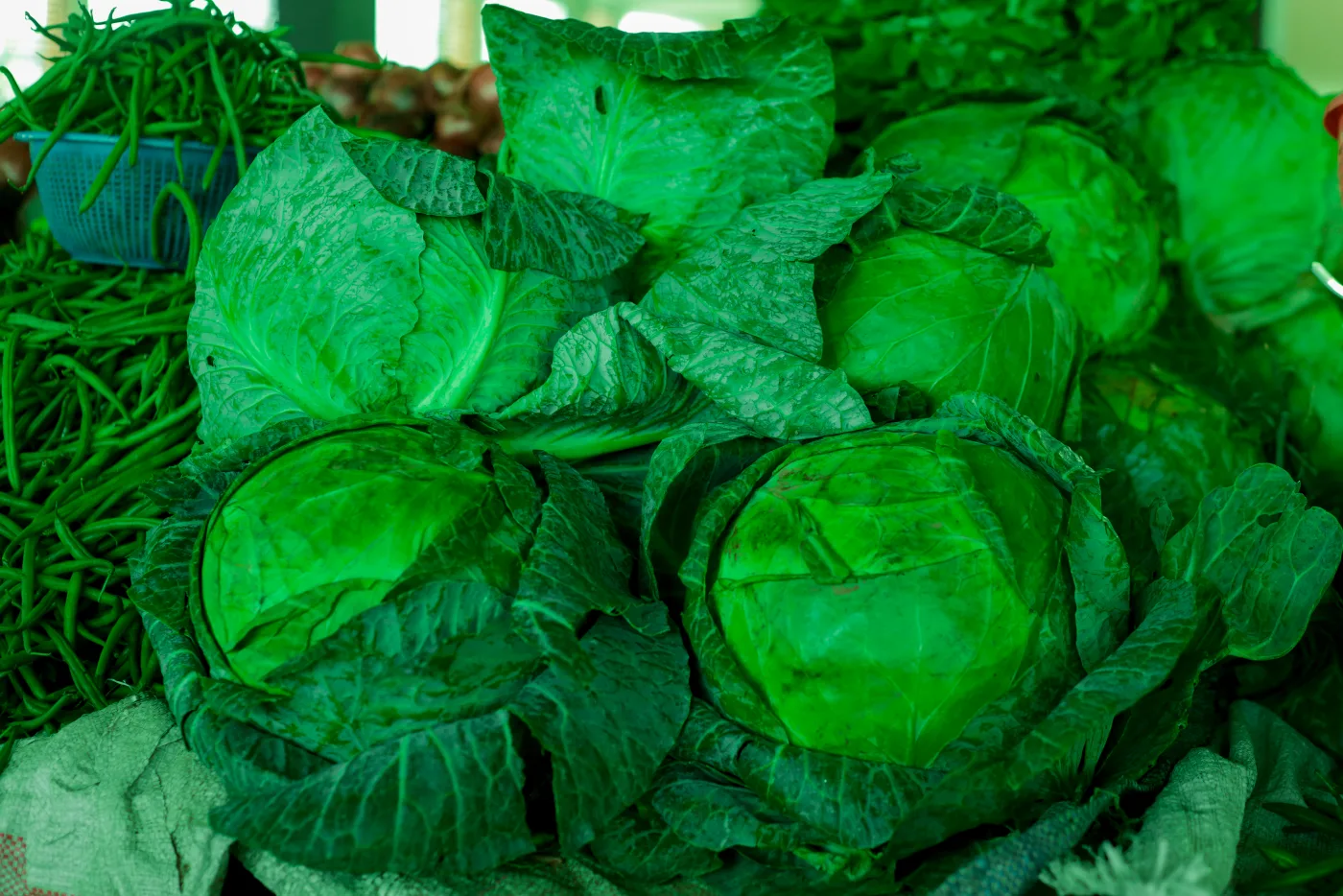
Cauliflower is a cultivated form of Brassica oleracea, the wild cabbage species that humans reshaped into cabbage, broccoli, Brussels sprouts, kale, kohlrabi, and other cole crops [1]. Its edible head is called a curd: a dense mass of undeveloped flower buds, not a root, fruit, or seed [3].
That botany matters for food history. Cauliflower is a cabbage flower selected until the plant's flowering structure became the part people wanted to harvest. The white head familiar in supermarkets is only one version; green, orange, purple, and Romanesco forms show how far growers pushed the same brassica framework.
Where Did Cauliflower Originate?
Cauliflower should not be described as a 5,000 BCE worldwide crop. The better-supported story begins with Mediterranean brassicas and later eastern Mediterranean or Cyprus-linked cauliflower forms [2][5][6]. CABI summarizes the likely domestication zone as the Mediterranean region, with Cyprus, Crete, or Asia Minor often discussed as possible centers rather than a single proven birthplace [2].
This uncertainty is the honest version of the origin story. Cauliflower did not emerge as one ancient invention with a clean founder. It belongs to a longer agricultural habit: farmers repeatedly selecting Brassica oleracea for leaves, stems, buds, or flower clusters until familiar vegetables split out of the same wild cabbage ancestry.
Cyprus, Seed Trade, and the Cabbage Flower
Medieval and early modern European writers often connected cauliflower with Cyprus and the eastern Mediterranean. That association survives in older names and in the trade of seed into Italy and western Europe [2][5]. The food's name preserves the same idea in another language: cauliflower is the cabbage flower, from caulis and flos.
By the time cauliflower moved through Mediterranean gardens, it was not a peasant grain or survival staple. It was a specialized vegetable that required careful seed saving, cool growing conditions, and garden attention. That made it different from cabbage, which became a durable staple in many northern European food systems.
How Cauliflower Entered European Kitchens
Cauliflower spread west through Italian and French garden culture, where it became valued for delicacy, pale color, and mild flavor [5][6]. In elite kitchens it could be boiled, sauced, buttered, baked, or served with meat. It was a vegetable of refinement before it became a supermarket default.
This helps explain why cauliflower often appears in European cooking as a blank canvas. Its flavor is mild enough to carry butter, cheese, spices, garlic, olive oil, lemon, or cream. Its history is less about one famous dish than about a botanical form that cooks kept adapting.
The Science of the Cauliflower Curd
Modern plant science has made cauliflower's strangeness clearer. A 2024 Nature Genetics study describes cauliflower domestication as a stepwise process and identifies genetic mechanisms behind curd biogenesis, the formation of the compact edible flower structure [4]. In plain language, cauliflower is a domesticated flower-development puzzle.
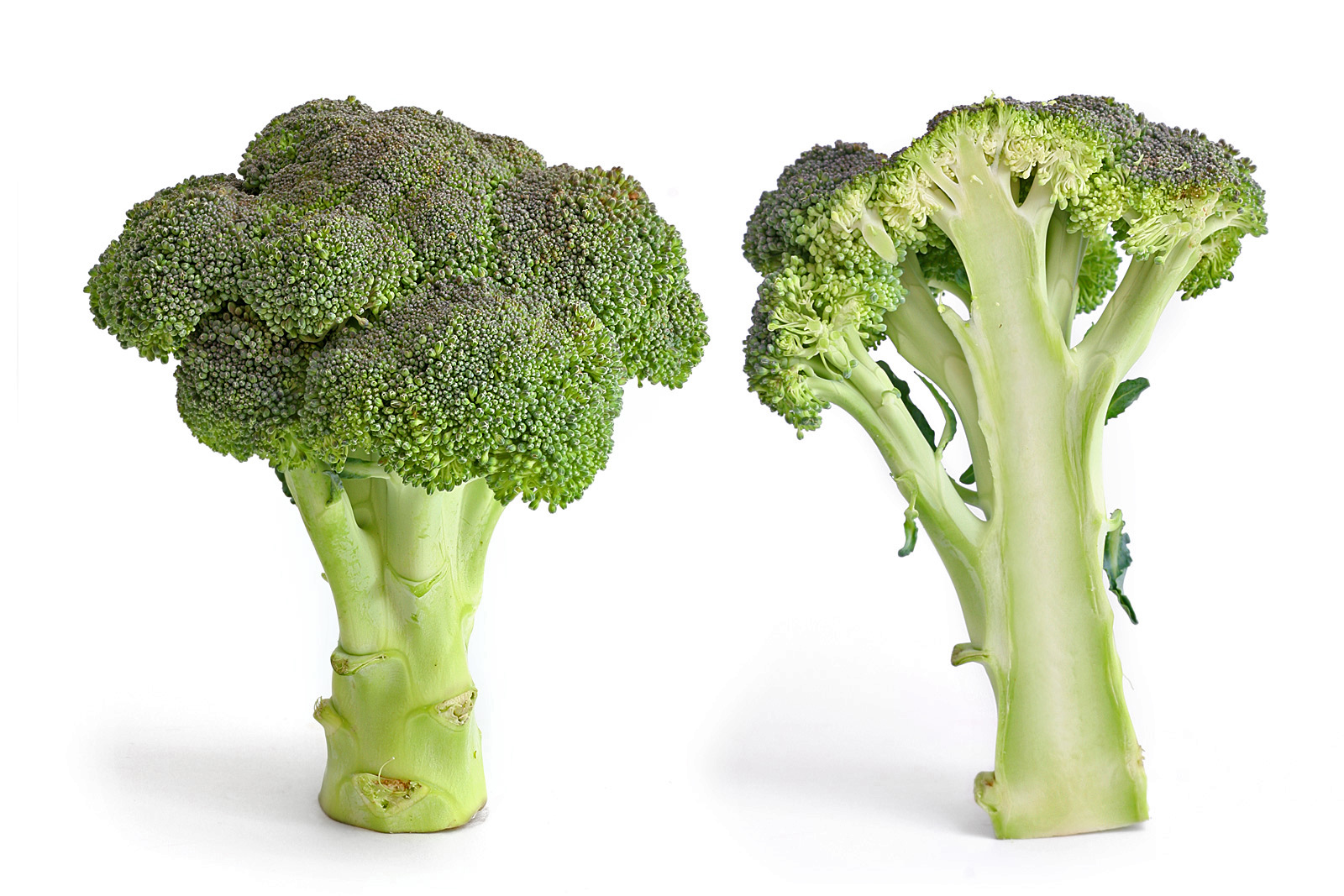
That is why cauliflower sits so neatly beside broccoli and broccolini. Broccoli keeps visible green florets and stems; broccolini combines broccoli and gailan in a modern hybrid; cauliflower concentrates the plant's flower structure into a tight curd. All three show how humans can turn one brassica lineage into different foods by selecting different plant shapes.
How Cauliflower Is Used Today
Today cauliflower is global. It appears in South Asian curries, Middle Eastern pickles, European gratins, roasted vegetable plates, soups, mash, cauliflower rice, and alternative pizza crusts. FAOSTAT tracks cauliflower together with broccoli in global production data, showing how these once-regional cole crops became major world vegetables [7].
The modern cauliflower boom also shows how old vegetables get recoded. A Mediterranean cabbage flower became a low-carbohydrate substitute, a plant-forward restaurant vegetable, a frozen aisle product, and a social media ingredient. The plant did not change as much as the cultural job assigned to it.
Historical Timeline
Cabbage-family vegetables are cultivated around the Mediterranean, setting the agricultural background for later cauliflower forms
Early cauliflower forms become associated with Cyprus and the eastern Mediterranean seed trade
Cauliflower spreads through Italian and western European garden culture as a prized cabbage flower
French and elite European kitchens treat cauliflower as a delicate garden vegetable rather than a staple field crop
Cauliflower breeding expands white, green, orange, purple, and Romanesco forms for global markets
Nature Genetics publishes genomic work explaining stepwise domestication and curd formation in cauliflower
Cauliflower becomes a global vegetable used in roasting, curries, mash, cauliflower rice, and alternative pizza crusts
Evidence Explorer
Review the Source Trail
Inspect the article sources, scoped review credits, and copyable citation details without leaving the page.
Sources Listed
Comments
Community comments are coming soon. Check back later to join the discussion!