💡 Key Takeaways
- The chickpea (Cicer arietinum) is one of the earliest cultivated legumes of the Near East, with archaeological evidence from the Fertile Crescent.
- Kabuli (garbanzo) and desi (chana/gram) types underpin Mediterranean hummus and falafel as well as South Asian dals and snacks.
- Today chickpeas are a global plant-protein and fiber staple — from canned garbanzos to aquafaba — still carrying a 10,000-year domestication story.
Where did chickpea originate?
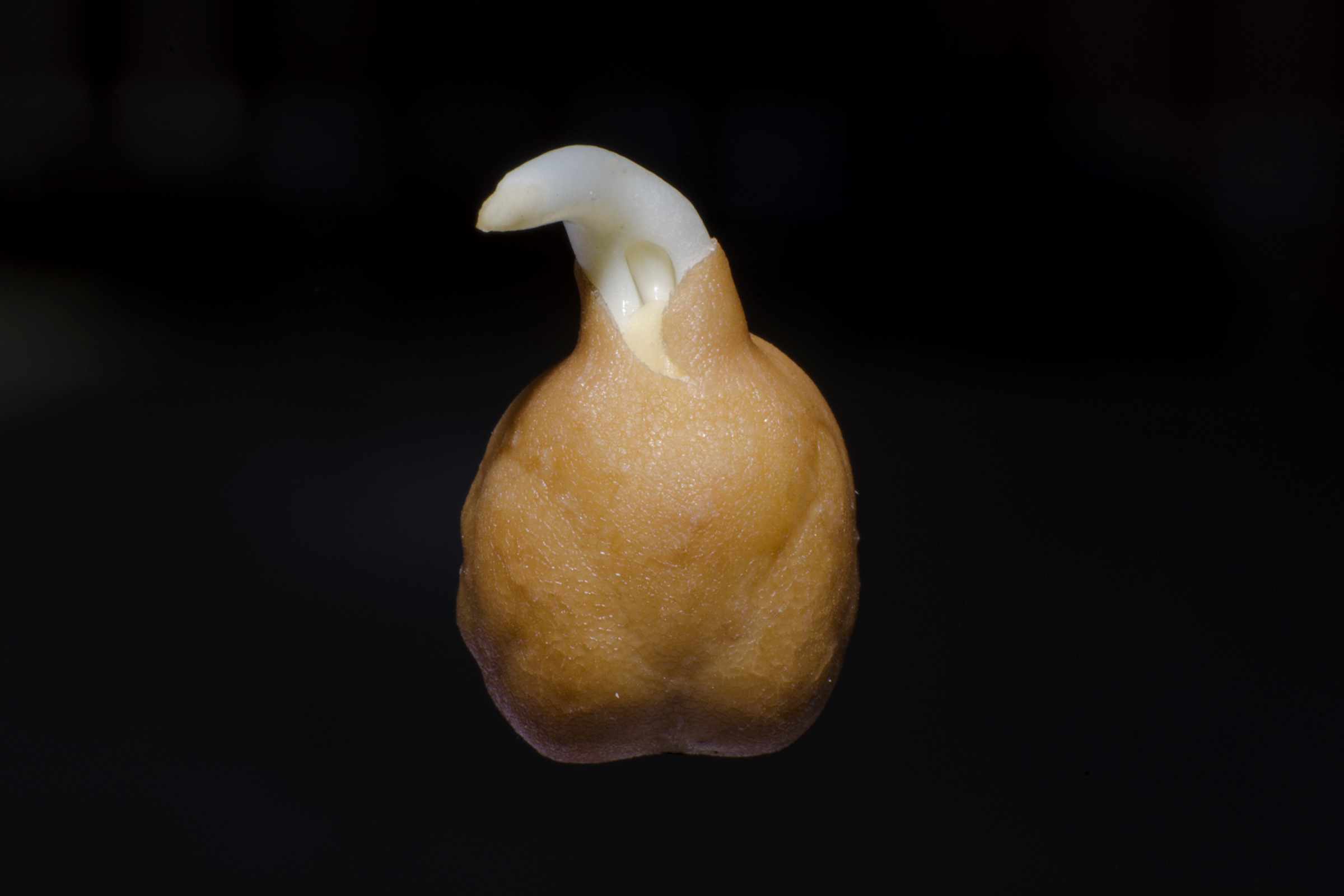
The chickpea (Cicer arietinum) is an annual legume domesticated in the Near East as one of the founder crops of Fertile Crescent agriculture [1][2][3]. Early archaeological finds from the region place chickpeas among the first pulses farmers grew alongside wheat, barley, and lentil — kin to the wider world of dried beans [2].
Two broad market types matter culturally: kabuli (large, light "garbanzo") beans associated with Mediterranean and Middle Eastern dishes, and desi (smaller, darker "chana" or gram) types central to South Asian cooking [1][3]. Both are the same species — different faces of one ancient domestication.
Mediterranean and Levantine Tables
Around the Mediterranean and Levant, chickpeas became boiled salads, stews, and the base of hummus — cooked chickpeas mashed with tahini (sesame paste), garlic, lemon, and often olive oil [1][4]. Falafel, in many Levantine and Egyptian forms, fries soaked ground chickpeas (or fava) into crisp fritters.
North African couscous platters often include chickpeas in the stew beneath the steamed grains — a Maghrebi echo of the same pulse [1]. The chickpea here is everyday protein and hospitality food, not a trend ingredient.
South Asia: Chana, Gram, and Curry
In South Asia, desi chickpeas (chana, Bengal gram) are split into chana dal, ground into besan (gram flour) for pakoras and sweets, and cooked whole in chana masala and other curry dishes [1][2]. Cool yogurt raitas often sit beside the heat. The crop's importance in India and neighboring countries rivals its Mediterranean fame — a reminder that "hummus history" is only one branch of chickpea culture.
Trade and farming moved Cicer across Iran, Central Asia, and the subcontinent over millennia; the names changed, the legume stayed [3].
Plant Protein, Hummus, and 2026 Fiber
Canned garbanzos and supermarket hummus made chickpeas a default Western pantry protein in the late twentieth and early twenty-first centuries. Roasted chickpeas, aquafaba baking, and fibermaxxing breakfasts keep the pulse visible in 2026 wellness and high-fiber conversations — still without inventing a new crop [4][5].
The food-history point is continuity: a Fertile Crescent founder legume remains one of the easiest ways to put beans on a contemporary plate.
How Chickpeas Are Used Today
Today chickpeas appear dried, canned, as flour, in hummus and falafel, in Indian dals and curry kitchens, and as salad and soup beans beside lentil and other beans. Major producers include India, Australia, Turkey, and Ethiopia, among others [5].
Soak dried beans well; canned beans are convenient for weeknight hummus. Pair with sesame, citrus, cumin, chili, and yogurt. The through-line from Neolithic fields to a 2026 fiber bowl is the same round seed — Cicer arietinum — still doing the work it was domesticated to do.
In the news
Recent 2026 food-culture notes that reference this article.
Historical Timeline
Chickpeas are among the founder crops of Near Eastern agriculture in the Fertile Crescent
Chickpeas spread through Mediterranean, Anatolian, and South Asian farming systems
Chickpeas season Roman, Levantine, North African, and Indian cuisines under many local names
Hummus-style chickpea-tahini pastes and falafel traditions deepen in Levantine foodways
Canned garbanzos, hummus dips, and plant-protein marketing globalize the chickpea
Chickpeas ride fibermaxxing, hummus, and high-fiber smoothie conversations as a default legume
Evidence Explorer
Review the Source Trail
Inspect the article sources, scoped review credits, and copyable citation details without leaving the page.
Sources Listed
Comments
Community comments are coming soon. Check back later to join the discussion!