💡 Key Takeaways
- Coconut (Cocos nucifera) is a coastal palm whose fruit supplies water, meat, milk, cream, oil, and sugar.
- Austronesian and Indian Ocean networks helped move coconut culture across tropical shores.
- Coconut milk and oil define vast regions of South and Southeast Asian cooking — including Kerala and many island cuisines.
Where did coconut originate?
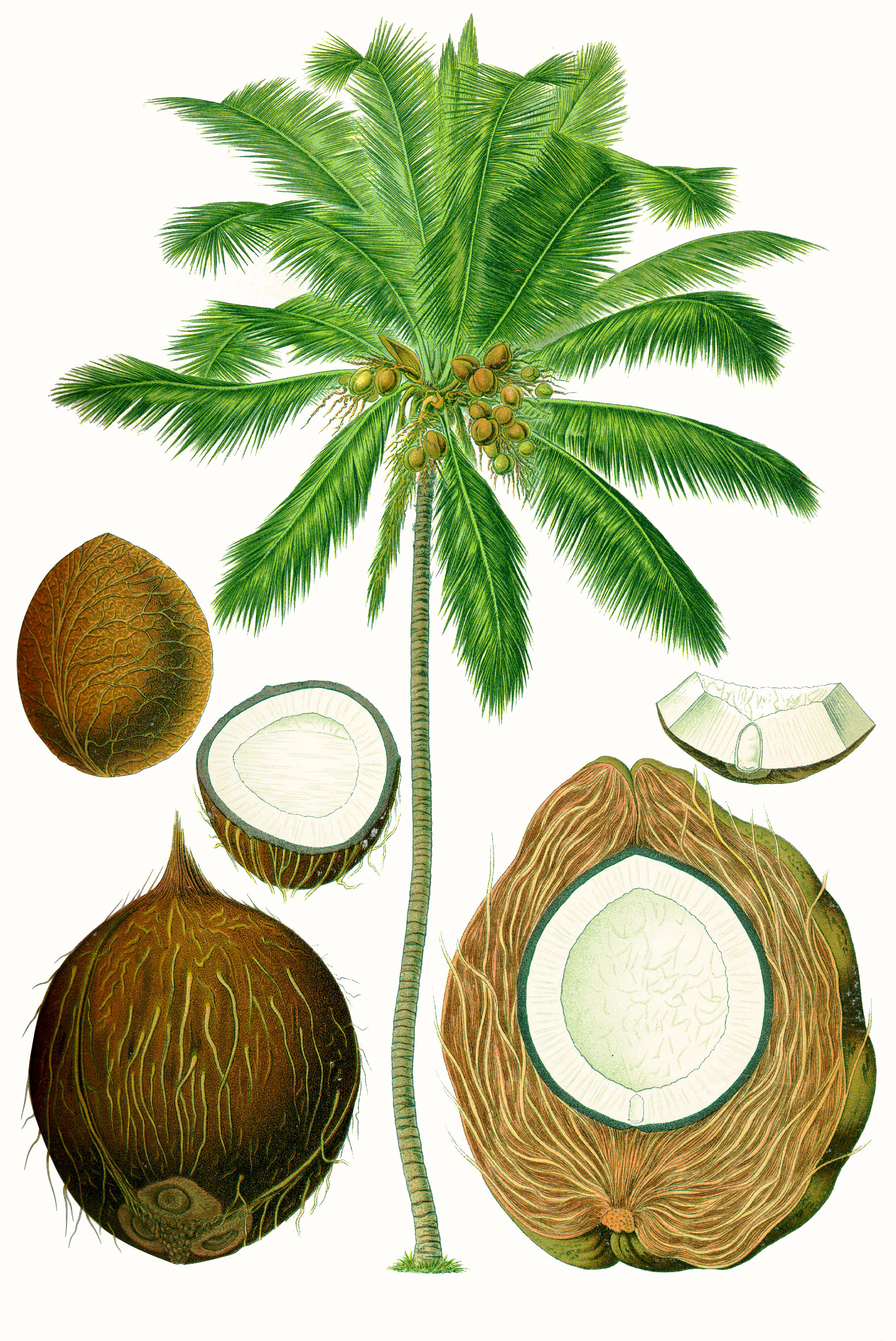
The coconut palm (Cocos nucifera) is the only living species in its genus and a defining plant of tropical coasts [1][2][4]. Exact wild origin debates continue, but food history is clearer about use: coastal Indo-Pacific societies treated the fruit as water bottle, fat source, sweetener, and building material.
Floating husks helped coconuts colonize shores; people selected productive types and carried them on voyages. Coconut history is therefore ecological and maritime at once.
Milk, Cream, and Curry Fats
Grating coconut meat and squeezing it with water yields coconut milk and cream — the fat base of countless South and Southeast Asian curry sauces, stews, and sweets [1][3]. Kerala, Sri Lankan, Thai, Malay, and Pacific kitchens built flavor systems on that dairy-free richness.
This is why coconut anchors regional Indian and SE Asian hubs on this site: it is a cooking fat and sauce medium, not only a beach-drink novelty.
Oil, Sugar, and Commodity Trade
Dried copra and coconut oil entered colonial and industrial fat markets for soap, margarine, and frying [2]. Palm and coconut fats have overlapping modern grocery stories; food history should keep them distinct while admitting shared tropical plantation economies.
Coconut sugar and nectar sit beside other unrefined sweeteners in contemporary “natural sugar” marketing — another prestige rename of older palm-sap practices [1].
How Coconut Is Used Today
Today coconut appears as water, milk, cream, oil, flour, sugar, and desiccated meat in bakeries and cafes worldwide [4][5]. It pairs with rice, mango, tamarind, and chili across tropical menus.
The through-line from coastal palm to carton of coconut milk is processing: grate, squeeze, dry, press. That toolkit — not a single famous inventor — is the coconut origin story worth ranking for.
In the news
Recent 2026 food-culture notes that reference this article.
- Jul 11, 2026Fish Molee and Appam on the Malabar Coast→
- Jul 9, 2026Rendang: Minangkabau Slow-Cook History→
- Jul 9, 2026Kerala Cuisine Is Booming on Yelp — Coconut, Curry Leaves, and the Malabar Coast→
- Jul 8, 2026Laksa: Coconut Noodle Soup Explained→
- Jul 1, 2026Cream of Coconut in the Cocktail Pantry→
- Jun 30, 2026Coconut Cream in Dirty Soda→
- Jun 27, 2026Palm and Coconut Oil in Colonial Fat Trade→
- Jun 20, 2026Coconut Sugar Explained→
Historical Timeline
Coastal peoples use coconut for food, drink, fiber, and containers
Coconut culture spreads with voyaging and island settlement
Coconut products move along monsoon routes as food and commodity
Copra and coconut oil enter industrial soap and fat markets
Coconut milk, cream, water, and sugar become global grocery staples
Evidence Explorer
Review the Source Trail
Inspect the article sources, scoped review credits, and copyable citation details without leaving the page.
Reviewed for Stated Scope
Sources Listed
Comments
Community comments are coming soon. Check back later to join the discussion!