💡 Key Takeaways
- Mango (Mangifera indica) was cultivated in South and Southeast Asia for millennia, with Indian and Southeast Asian cultivar lineages.
- Green mango pickles, chutneys, and drinks are as historically important as ripe dessert fruit.
- Portuguese and later colonial trade helped move mango plants and names into Africa, the Americas, and global markets.
Where did mango originate?
Mango (Mangifera indica) is a tropical stone fruit domesticated and long cultivated in South and Southeast Asia [1][2][3]. Wild Mangifera relatives cluster in the Indo-Malayan region; cultivated mangoes split into broad Indian and Southeast Asian type groups shaped by centuries of orchard selection.
For food history, mango is not only ripe sweetness. Green fruit, pickles, and drinks matter as much as the soft dessert mango sold in temperate summer markets.
Pickles, Achar, and Sour Mango
Across South Asia, unripe mango is cut for achar and chutney — preserved with salt, oil, chili pepper, and spices [1]. That sour-salty pantry use explains why mango sits beside tamarind in regional souring traditions.
Street snacks that dust green mango with chili and salt are continuous with older fruit-and-spice habits, even when they trend as “chili mango” content online.
Drinks, Dairy, and Sweet Tables
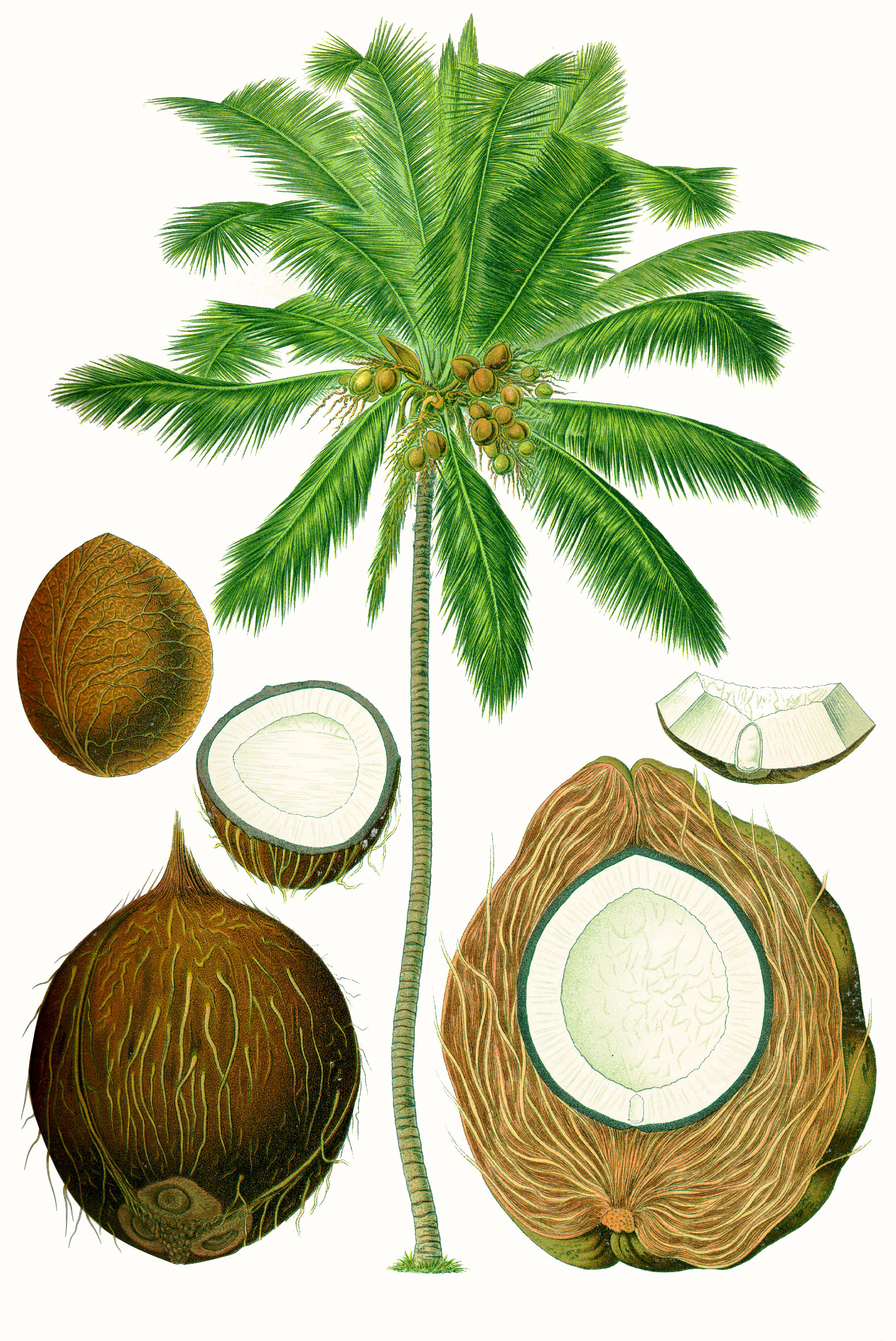
Ripe mango flavors yogurt drinks (mango lassi), kulfi, and countless sweets. In Southeast Asia, mango meets sticky rice and coconut milk in dessert plates that travel well through diaspora restaurants [1][2].
The fruit’s aroma compounds and high sugar when ripe made it a natural prestige gift fruit in many South Asian courts — status attached to variety name and season as much as to sweetness alone.
Global Spread and How Mango Is Used Today
Portuguese and later colonial botanical networks carried mango cultivation to Africa, Brazil, the Caribbean, and beyond [2][3]. Today India, China, Thailand, Indonesia, Mexico, and others lead production tonnage [4].
On this site, mango links Indian and SE Asian pantry hubs — pickle, chili, coconut, tamarind — as a fruit with trade history, not only a smoothie ingredient.
In the news
Recent 2026 food-culture notes that reference this article.
Historical Timeline
Mango cultivation and cultural symbolism deepen across the subcontinent
Distinct cultivar traditions develop across mainland and island Southeast Asia
Portuguese and other carriers help spread mango cultivation beyond Asia
Plantation and export industries scale Alphonso, Tommy Atkins, and other market types
Mango pickle, chili-mango snacks, and tropical drinks keep the fruit in trend coverage
Evidence Explorer
Review the Source Trail
Inspect the article sources, scoped review credits, and copyable citation details without leaving the page.
Reviewed for Stated Scope
Sources Listed
Comments
Community comments are coming soon. Check back later to join the discussion!