💡 Key Takeaways
- Lettuce is an annual plant of the family Asteraceae mostly grown as a leaf vegetable.
- The leaves are most often used raw in green salads, although lettuce is also seen in other kinds of food, such as sandwiches, wraps and soups; it can also be grilled.
- Lettuce is deeply integrated into global culinary traditions and human history.
Where did lettuce originate?
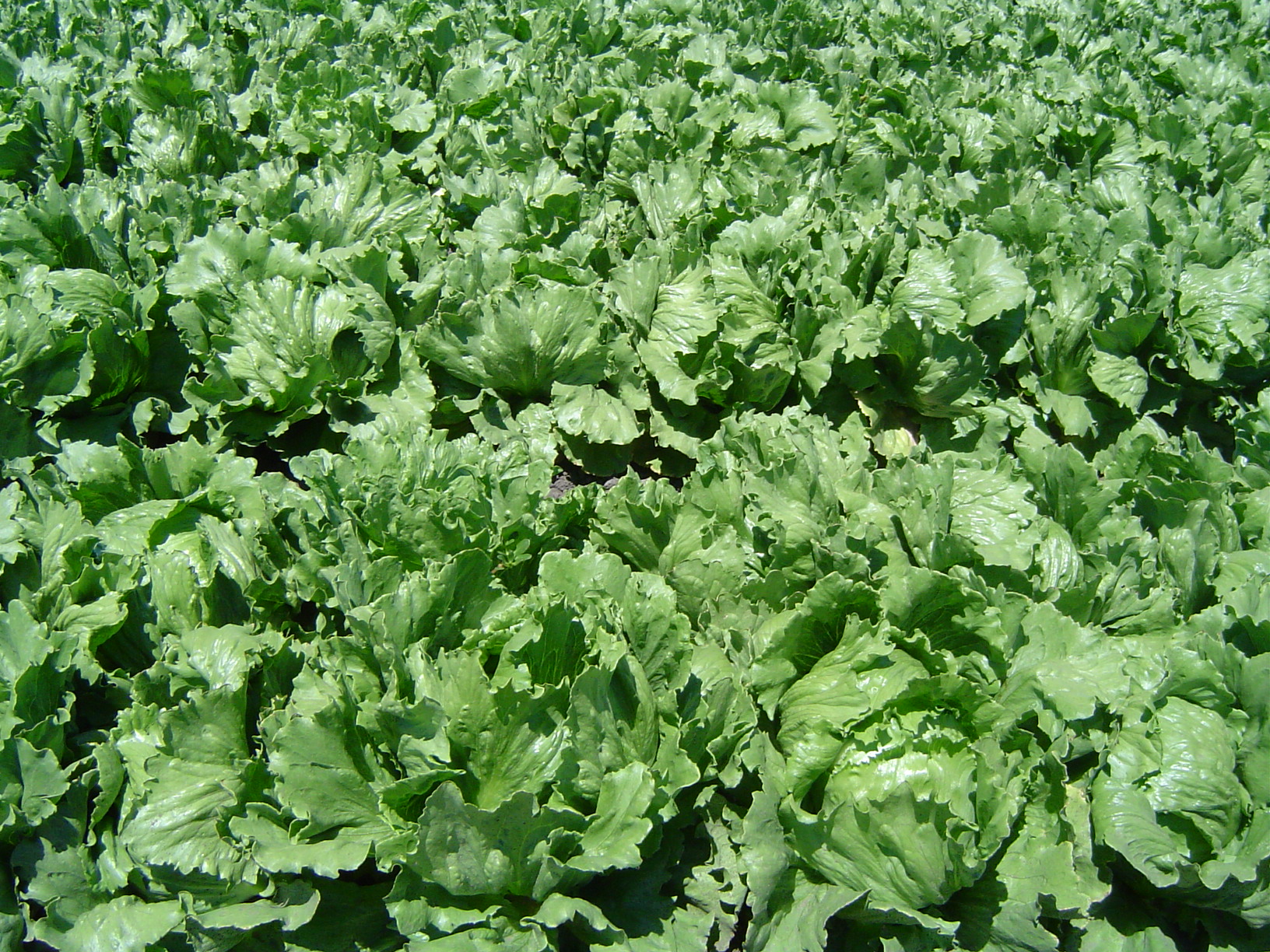
Lettuce is an annual plant of the family Asteraceae mostly grown as a leaf vegetable. The leaves are most often used raw in green salads, although lettuce is also seen in other kinds of food, such as sandwiches, wraps and soups; it can also be grilled. Its stem and seeds are sometimes used; celtuce is one variety grown for its stems, which are eaten either raw or cooked. In addition to its main use as a leafy green, it has also gathered religious and medicinal significance over centuries of human consumption. Europe and North America originally dominated the market for lettuce, but by the late 20th century the consumption of lettuce had spread throughout the world. In 2023, world production of lettuce was 28 million tonnes, led by China with 53% of the total.
How did lettuce evolve over time?
From its ancient origins, lettuce embarked on an extraordinary journey across continents and centuries. Ancient trade routes carried it to new civilizations, each of which adapted it to their own culinary traditions. In the ancient world, it was often considered valuable. As trade networks expanded, it gradually became accessible to broader populations.
Why is lettuce culturally important?
Lettuce holds deep cultural significance across many civilizations. It has appeared in folklore, art, and literature throughout history. Different cultures have developed unique traditions, recipes, and rituals centered around lettuce, making it a powerful symbol of identity and heritage. Today, the global market reflects its enduring importance.
Historical Timeline
Earliest evidence of lettuce use
Lettuce spreads through trade routes
Lettuce becomes integral to global cuisine
Lettuce becomes a global commodity
Evidence Explorer
Review the Source Trail
Inspect the article sources, scoped review credits, and copyable citation details without leaving the page.
Sources Listed
Comments
Community comments are coming soon. Check back later to join the discussion!