💡 Key Takeaways
- Native to the dry coastal cliffs of the Mediterranean, rosemary was named "dew of the sea" (ros marinus) by the Romans.
- Different cultures independently linked the herb's persistent evergreen scent to remembrance, intellectual clarity, and funerals.
- During the 3rd century CE, rosemary traveled the Silk Road to China, where it was celebrated in rhapsodies by Emperor Cao Pi.
- In weddings and folklore, it served as a botanical symbol of fidelity and protection against malevolent spirits.
Where did rosemary originate?
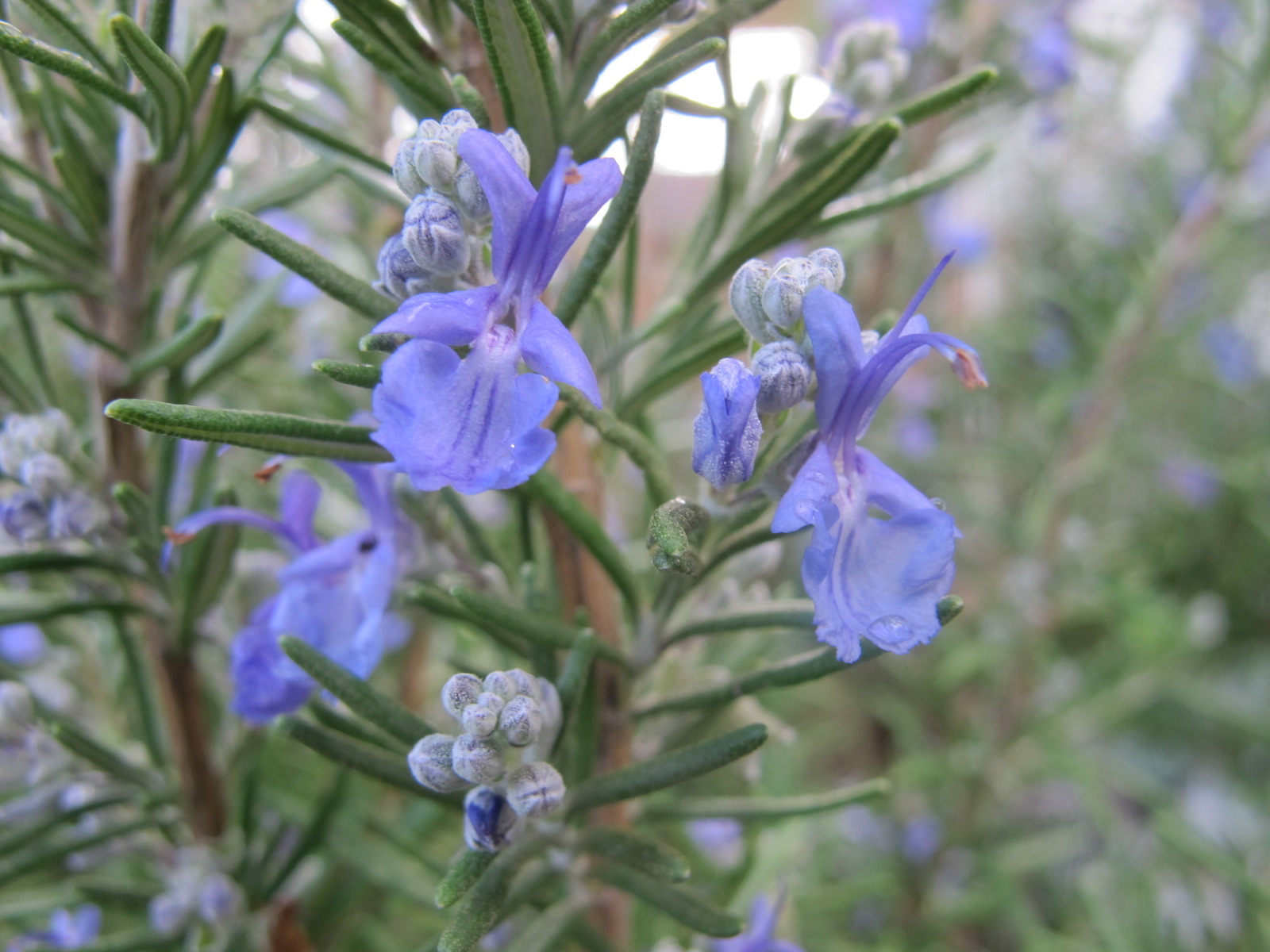
Rosemary is best understood as a resilient coastal shrub native to the rocky cliffs of the Mediterranean basin, rather than a cultivated crop with a single agricultural cradle. Scientifically classified as Salvia rosmarinus (and historically referred to as Rosmarinus officinalis), it is a woody, perennial member of the Lamiaceae (mint) family. Its English name derives from the Latin ros marinus, meaning "dew of the sea"—a testament to its ability to thrive in dry, saline environments with little water other than coastal mist. The plant features needle-like leaves, a highly aromatic profile rich in volatile oils, and flowers ranging from blue and purple to pink and white [1][2].
Its wild distribution across the Mediterranean led to its early discovery by ancient foraging and pastoral societies. Scented shrubs were prized for their intense oils, which resisted dry heat and pests. Over time, Mediterranean cultures moved rosemary from wild cliffsides into domestic kitchen gardens, realizing that its pungent, pine-like aroma could flavor meats, help mask spoilage, and serve as an aromatic and culinary staple [1][2].
The Universal Language of Remembrance
The most enduring symbolic association of rosemary across global cultures is that of memory and remembrance. In classical Greece, scholars wore chaplets or wreaths of rosemary on their heads when preparing for examinations, believing that its strong, volatile scent sharpened intellectual focus and aided memory retention. This early practice aligns with classical medical philosophies; the Greek physician Pedanius Dioscorides, in his c. 70 CE work De Materia Medica, noted that the herb possessed a "warming faculty" that benefited cognitive function. Modern neurological studies have lent scientific credibility to these ancient beliefs, finding that the volatile terpene 1,8-cineole present in rosemary oil can inhibit enzymes that break down acetylcholine, a neurotransmitter critical for memory [3].
This association with remembrance transitioned naturally into funerary customs across the Mediterranean and Europe. Mourners traditionally threw sprigs of rosemary into open graves as a symbol that the deceased would not be forgotten. This cultural sentiment is famously captured in Shakespeare's Hamlet, where Ophelia remarks, "There's rosemary, that's for remembrance." In the modern era, this tradition survives on ANZAC Day (April 25) in Australia and New Zealand, where citizens wear sprigs of rosemary on their lapels to honor fallen soldiers. This custom holds a dual meaning: rosemary grows wild on the Gallipoli peninsula in Türkiye, the site of the WWI campaign where many soldiers fell, serving as a physical and symbolic link to the battlefields [6].
However, rosemary is sometimes repeated in popular summaries as an Egyptian funerary plant as early as 3000 BCE, but that early date is unsupported by archaeobotanical evidence. According to Egyptologist Dr. Lise Manniche in An Ancient Egyptian Herbal (page 144), whether rosemary was cultivated in early ancient times remains uncertain, as the ancient Egyptian name for the herb is unknown, meaning its presence cannot be tracked or established through contemporary texts [9]. While the 16th-century Venetian botanist Prospero Alpini reported finding rosemary branches inside a Cairo mummy—an observation Manniche notes is credible given Alpini's botanical expertise—major pharaonic plant catalogs, such as Dr. Renate Germer’s Flora des pharaonischen Ägypten, show that rosemary is entirely missing from tomb contexts in the Early Dynastic and Old Kingdom periods [4][7]. This is supported by molecular archaeology: chemical residue studies of resinated wines (such as those published in the Proceedings of the National Academy of Sciences) have detected rosemary-like compounds only in later Roman and Byzantine jars, such as those from Gebel Adda [8].
Weddings, Fidelity, and Protection
Beyond honoring the dead and aiding the mind, rosemary served historically as a sacred botanical contract representing fidelity, love, and protection. From ancient Rome through medieval Europe, the herb was woven into bridal crowns and wedding garlands. Because the shrub is evergreen and retains its scent long after being cut, it symbolized an enduring commitment and the carrying of fond memories from a bride's ancestral home into her new family. In Victorian England, this custom was codified in floriography—the language of flowers—where including rosemary in a bridal bouquet was a formal declaration of loyalty and unchanging affection [1][2].
Simultaneously, rosemary occupied a prominent place in protective folklore. Throughout the Middle Ages and early modern Europe, different communities independently utilized the herb to ward off metaphysical dangers. It was a folk remedy to place a sprig of rosemary beneath a sleeper's pillow to prevent nightmares and ward off malevolent dreams. In households and medieval hospitals, rosemary branches were burned as incense to purify the air and cleanse spaces of negative energy, blending early sanitary practices with protective magic [1][2].
The Silk Road Exchange
Rosemary is also a symbol of early botanical globalization, tracing how Mediterranean flora adapted to Eastern cultures. Around 220 CE, during the transition from the late Han Dynasty to the Three Kingdoms period, rosemary traveled along the Silk Road and was introduced to China, where it became known as mí dié xiāng (迷迭香), or the "mystery-souring incense." It was prized by the imperial court not as a culinary seasoning, but as an exotic, aromatic luxury used in perfume sachets [2].
The introduction of the herb left a significant mark on Chinese literature. Cao Pi, the first Emperor of the Cao Wei state (c. 220 CE), was so captivated by the exotic plant that he transplanted it into the imperial courtyard and composed the Mi Die Xiang Fu (《迷迭香赋》 / Rhapsody on Rosemary), celebrating its spreading branches and sweet, clean fragrance. His brother Cao Zhi and other prominent poets of the Jian'an period wrote matching rhapsodies, demonstrating how a single Mediterranean botanical item was quickly woven into the courtly aesthetics and literary identity of ancient China [5].
Historical Timeline
Rosemary grows wild on Mediterranean cliffs and is gathered for its intense aromatic oils
Dioscorides documents rosemary in De Materia Medica, describing its memory-stimulating qualities
Rosemary is introduced to China via the Silk Road, inspiring rhapsodies by Emperor Cao Pi and Cao Zhi
European brides wear rosemary wedding crowns to symbolize fidelity and marital commitment
Rosemary is adopted as a symbol of remembrance on ANZAC Day, referencing the wild shrubs of Gallipoli
Evidence Explorer
Review the Source Trail
Inspect the article sources, scoped review credits, and copyable citation details without leaving the page.
Sources Listed
Comments
Community comments are coming soon. Check back later to join the discussion!