💡 Key Takeaways
- The soybean (Glycine max) was domesticated in East Asia and became a foundation of Chinese, Korean, and Japanese protein and fermentation traditions.
- Fresh beans, tofu, soy milk, and fermented products such as soy sauce, miso, and doenjang turned one legume into an entire flavor system.
- Today soy is the world's leading oilseed and a global feed and plant-protein crop, while the 2026 Korean-food boom keeps doenjang, gochujang, and soy sauce in the spotlight.
Where did soybean originate?
The soybean (Glycine max) is a legume domesticated in East Asia, with the strongest early evidence centered on northern China and neighboring regions by the late Neolithic to early historical period [1][2][4]. Wild relatives (Glycine soja) still grow across East Asia, and farmers selected larger seeds, non-shattering pods, and plants suited to cultivation [3].
From the start, soy was more than a boiled bean. East Asian cooks learned to soak, grind, ferment, and curdle it — unlocking protein and flavor from a seed that is otherwise hard and beany when undercooked [5]. That processing tradition is why soy became a civilizational staple rather than a minor pulse.
China: Curds, Sauces, and the Soy Toolkit
In China, soy became a full toolkit: fresh green edamame-style beans, dried beans for simmering, soy milk, tofu (doufu), and fermented pastes and sauces that seasoned rice and vegetables [1][3]. Coagulating soy milk into tofu created a soft, sliceable protein that Buddhist and everyday kitchens alike could stretch across meals [5].
Fermentation turned soy into long-keeping umami. Early jiang-style pastes and liquid soy seasonings are ancestors of modern soy sauce and of the wider East Asian paste family that later includes Korean and Japanese forms [2][3].
Korea and Japan: Doenjang, Miso, and Gochujang
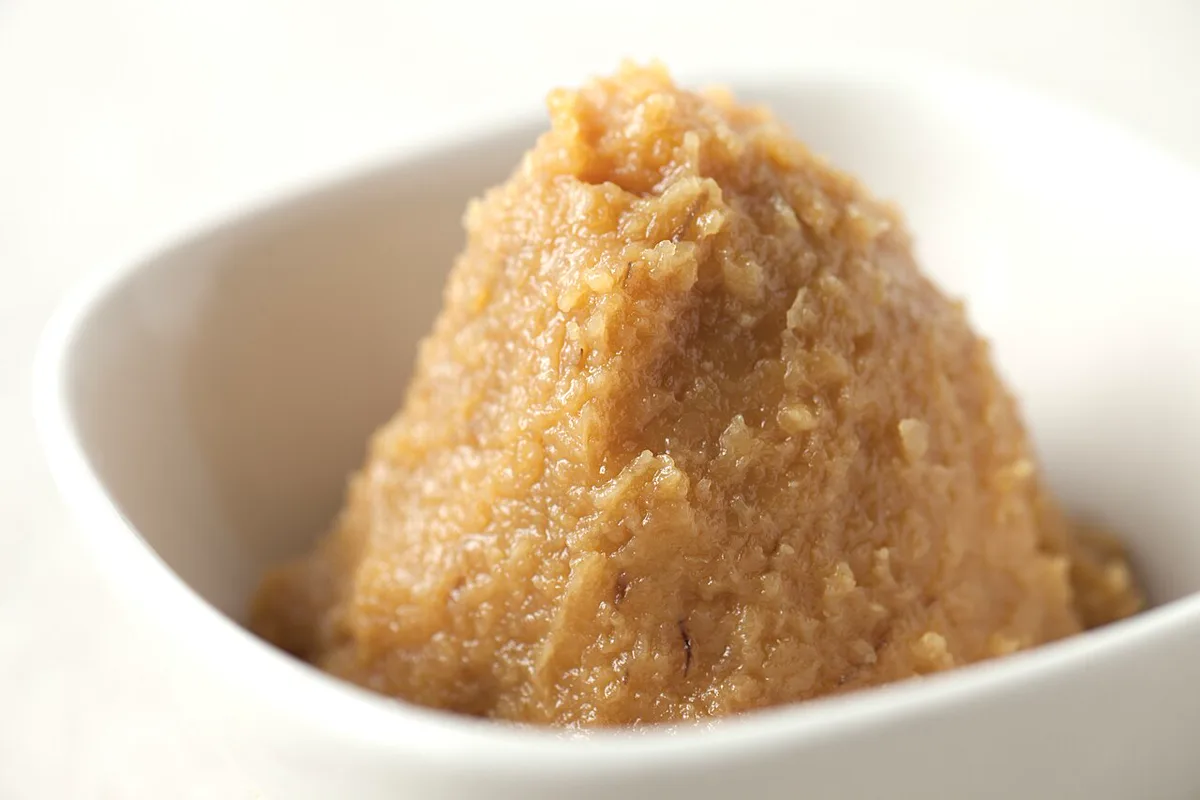
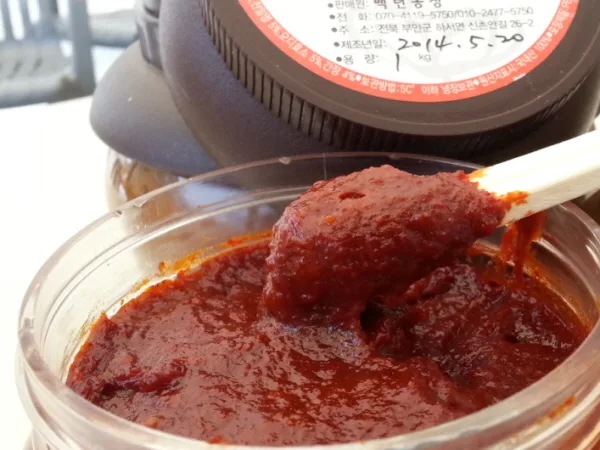
As soy moved through continental exchange, Korea and Japan built their own fermented identities on the same bean. Korean doenjang is a long-aged soybean paste; gochujang blends fermented soy with chili and grain sweetness; Japanese miso pairs soy with koji-inoculated rice or barley [6]. Liquid soy sauce became a shared East Asian seasoning with local brewing styles.
These pastes are not interchangeable, but they are historically related: each depends on soy's proteins breaking down into savory amino acids. The 2026 Korean-food boom has made that cluster newly visible to global home cooks who buy doenjang and gochujang as pantry foundations [1].
Soy Goes Global: Oilseed, Feed, and Plant Protein
From the twentieth century, the Americas — especially the United States, Brazil, and Argentina — scaled soy into the world's dominant oilseed and a primary animal-feed protein [4][7]. Industrial crushing separates oil from meal; only a fraction of global tonnage becomes tofu, tempeh, or sauce, yet that culinary fraction carries the crop's cultural fame.
Plant-based milks, meat alternatives, and protein isolates have pulled soy back into human-food marketing even as most beans still feed livestock. The dual identity matters: soy is simultaneously grandmother's miso soup and a commodity futures contract [2][7].
How Soybeans Are Used Today
Today soy appears as tofu, yuba, soy milk, edamame, tempeh, soy sauce, miso, doenjang, oil, flour, and textured protein. In East Asian and global kitchens it still seasons rice, soups, and marinades; in Western cafes and home kitchens it shows up as plant milk and meat alternatives [5].
For food history, the through-line is processing ingenuity. One East Asian legume became curd, sauce, paste, and oil — and then a planetary crop. Following soy from field to doenjang or miso jar is still the clearest way to taste that journey.
In the news
Recent 2026 food-culture notes that reference this article.
- Jul 10, 2026Naga Fermented Soybean Cuisine→
- Jul 4, 2026What Is Doubanjiang? Sichuan's Fermented Chili-Bean Paste, Explained→
- Jun 25, 2026Tempeh: Indonesian Soy Cake History→
- Jun 25, 2026What Is Natto? Sticky Fermented Soy Explained→
- Jun 23, 2026Fermented Black Beans (Douchi) Explained→
- Jun 12, 2026Natto vs Tempeh: Two Sticky Fermented Soy Foods, One Bean, Different Worlds→
Historical Timeline
Soybean domestication and early cultivation take shape in northern China and adjacent East Asia
Soy foods expand in Chinese diets; fermentation and curd techniques deepen
Soybean fermentation knowledge spreads to Korea and Japan, seeding miso, jang, and soy-sauce lineages
European traders encounter soy; the crop slowly enters Western botanical and agricultural records
Americas and Brazil scale soy as oilseed and animal feed; tofu and soy sauce globalize
Korean jang culture and plant-protein demand keep soybean ferments and soy foods in global trend coverage
Evidence Explorer
Review the Source Trail
Inspect the article sources, scoped review credits, and copyable citation details without leaving the page.
Sources Listed
Comments
Community comments are coming soon. Check back later to join the discussion!