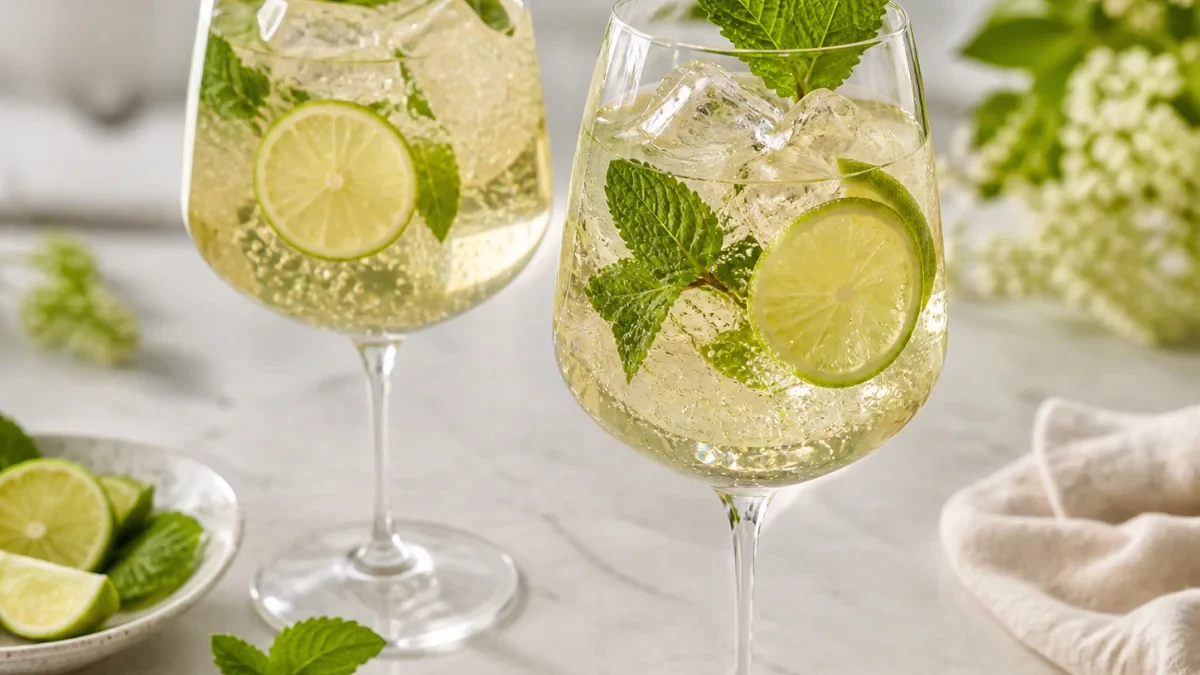
Hugo Spritz, styled to show the recipe's intended texture, color, and serving presentation

Drink recipe

Hugo Spritz at Home with Elderflower and Mint

A practical, source-aware recipe for hugo spritz, with the history kept close to the method.

Jump to recipe
Hugo Spritz, presented as a food-focused editorial visualization by The Foods That Shaped Us.

Developed by the Recipe Desk. This original editorial recipe uses measured ingredients, explicit timing and yield, allergen notes, storage guidance, and step-by-step visual cues. Use the stated doneness and texture cues because ingredients, ovens, and kitchen equipment vary.

Recipe card

Hugo Spritz

A practical, source-aware recipe for hugo spritz, with the history kept close to the method.

Prep
5 min
Cook
0 min
Yield
1 drink
Difficulty
Easy

Ingredients

  • 120 ml chilled prosecco
  • 20 ml elderflower liqueur or syrup
  • 40 ml soda water
  • 6 mint leaves
  • 1 lime wheel
  • Ice

Method

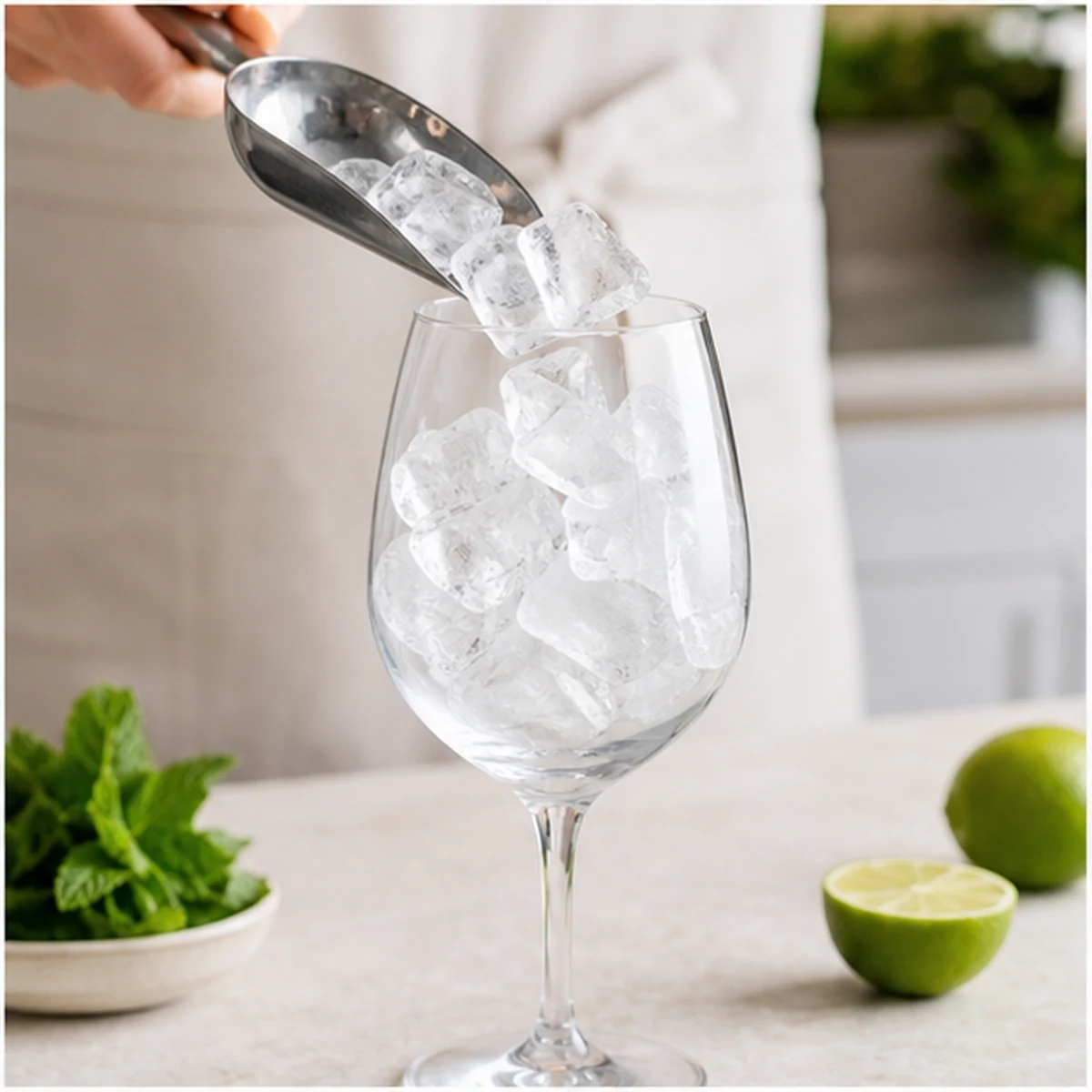
  1. Fill the glass for Hugo Spritz, showing the ingredients and preparation at this stage
    Step 1: Fill the glass for Hugo Spritz.
    1

    Fill the glass

    Fill a large wine glass generously with clean, fresh ice.
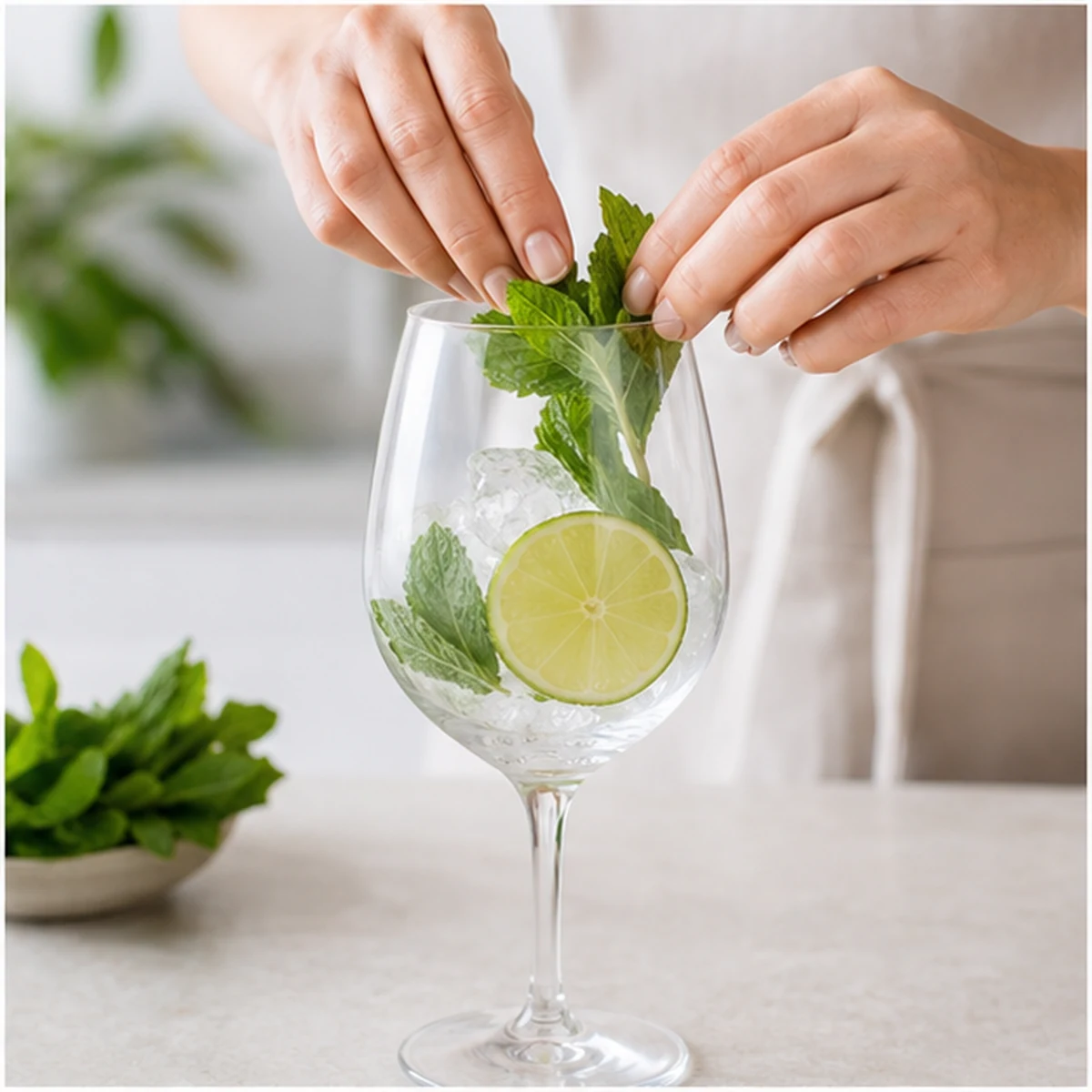
  2. Add aromatics for Hugo Spritz, showing the ingredients and preparation at this stage
    Step 2: Add aromatics for Hugo Spritz.
    2

    Add aromatics

    Lightly clap the mint between your hands and add it with the lime wheel.
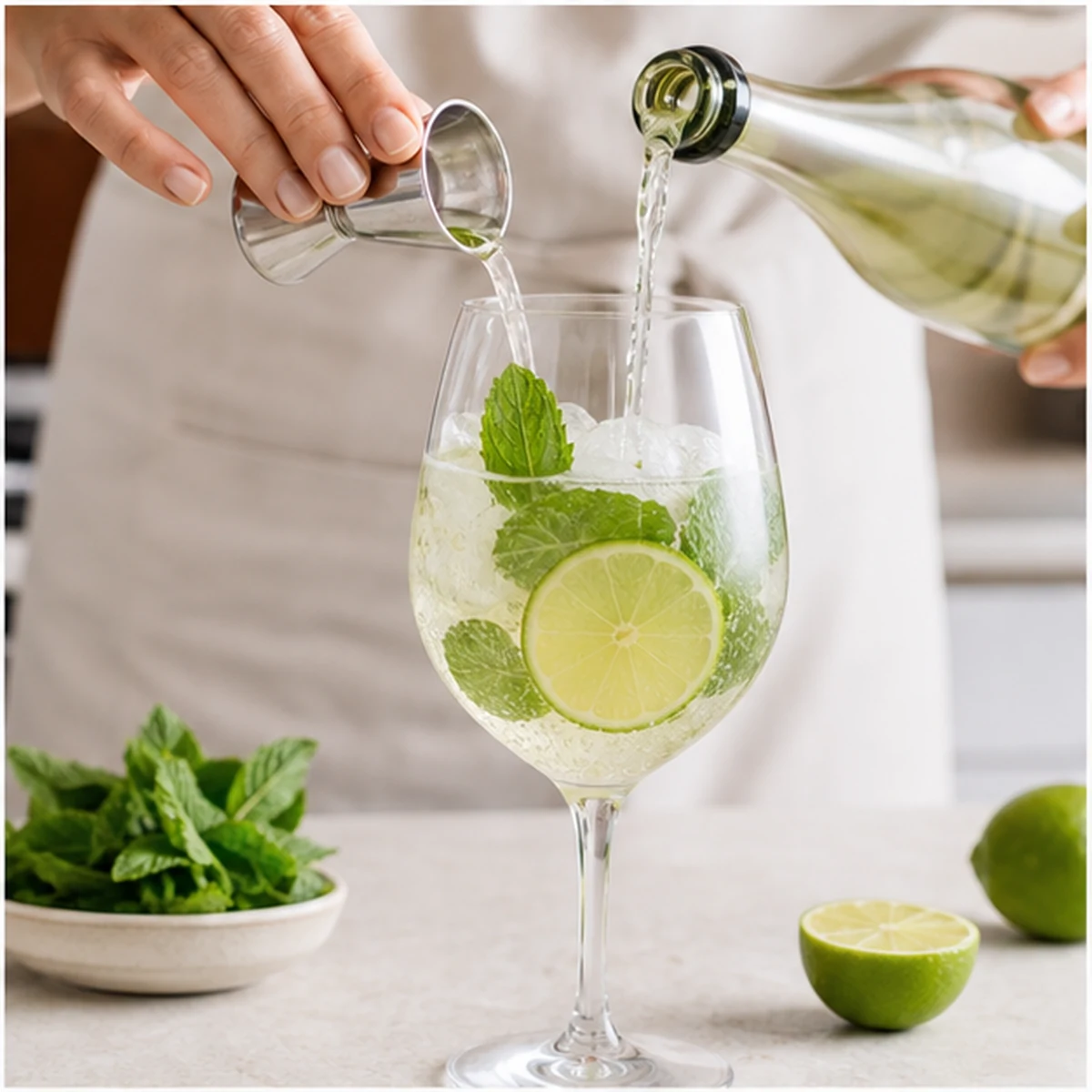
  3. Pour for Hugo Spritz, showing the ingredients and preparation at this stage
    Step 3: Pour for Hugo Spritz.
    3

    Pour

    Pour in the elderflower, chilled prosecco, and soda water in that order.
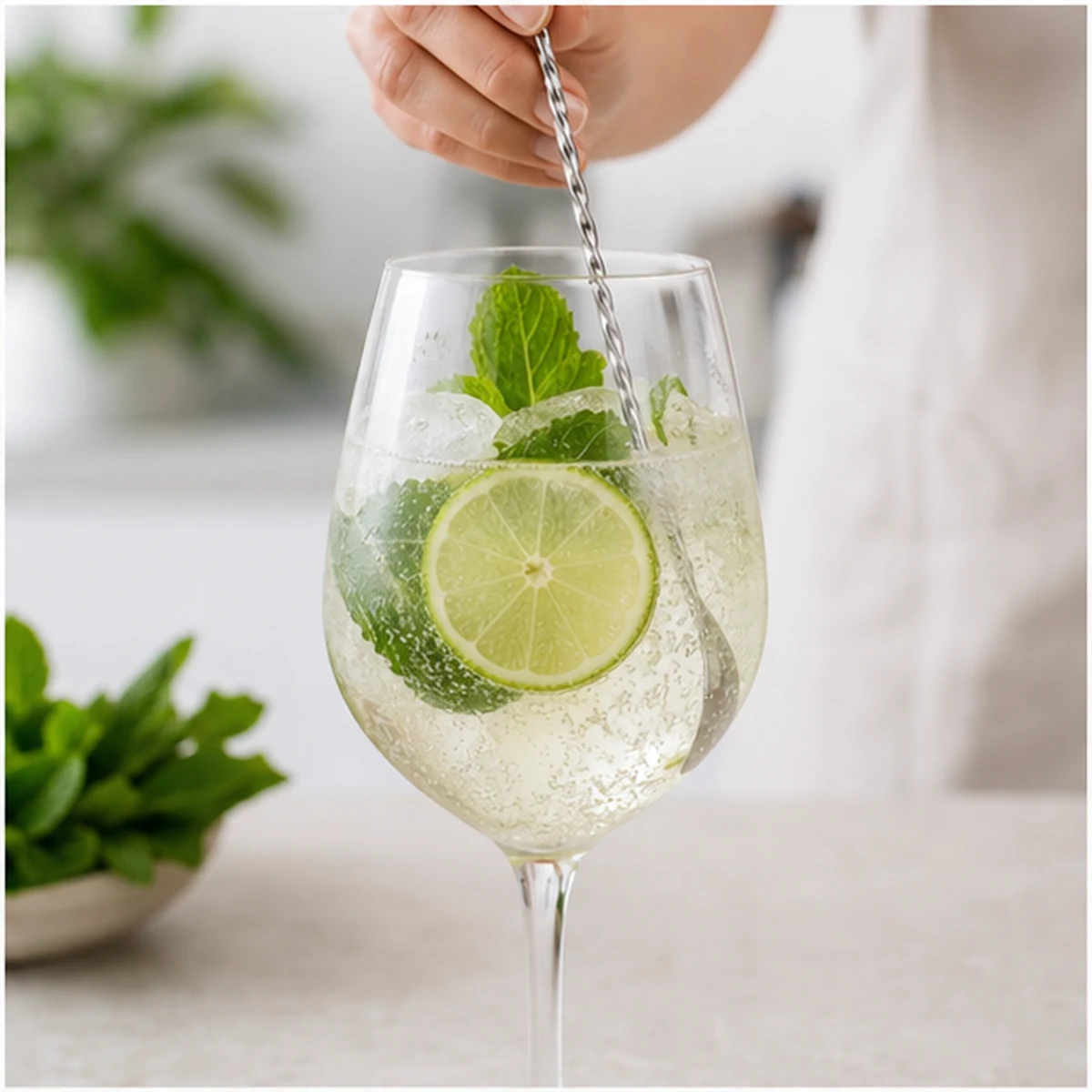
  4. Stir for Hugo Spritz, showing the ingredients and preparation at this stage
    Step 4: Stir for Hugo Spritz.
    4

    Stir

    Stir once or twice very gently so the drink keeps most of its bubbles.

Notes

  • For a non-alcoholic version, replace prosecco and liqueur with alcohol-free sparkling wine and elderflower syrup.

Storage

Mix immediately before serving.

Allergens

No major allergens identified from the listed ingredients. Always check product labels for cross-contact.

Why this dish belongs here

The history behind the method

The Hugo emerged in northern Italy in the early twenty-first century and spread through aperitivo culture; it is not an ancient drink.

Explore the ingredients

Trend and context sources

  1. [1]What Is Trending on Google This Summer โ€” Google
๐Ÿ›๏ธ

Written by The Foods That Shaped Us Research Desk

The Foods That Shaped Us Research Desk is the publication byline for collaboratively maintained food-history articles, Case Files, Trend Desk analysis, and original Recipe Desk development. Historical work is grounded in cited sources. Recipes use measured formulations and receive an editorial consistency, safety-note, and image-provenance review before release.

Source-led editorial processยทRead our Editorial Standards