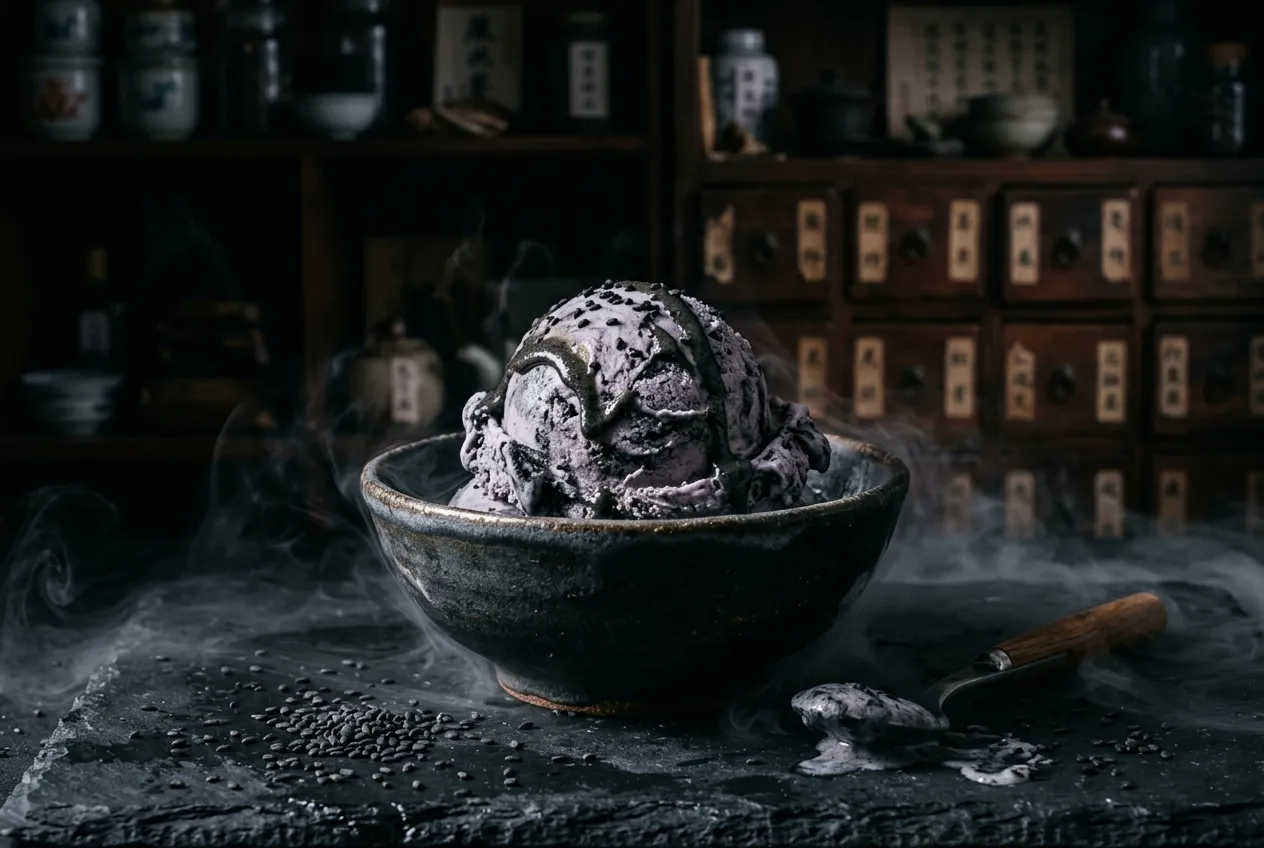
Black Sesame Ice Cream Is Breakout on Google — and It Is 1,000 Years Old
Black sesame ice cream and cookies are breakout searches in 2026. The ingredient is a 1,000-year-old Chinese and Japanese seed now landing in Western desserts.
Black sesame ice cream and black sesame cookies are breakout Google searches in summer 2026, per Google Summergeist. The ingredient is a roughly 1,000-year-old Chinese and Japanese seed used in medicine, sesame balls (jin deui) and pastes — now landing in Western ice cream and cookies.
What's happening
Black sesame is Google Summergeist's breakout dessert ingredient of summer 2026, with "black sesame ice cream" and "black sesame cookies" both marked as breakout searches in the past month [1]. The flavor — nutty, roasted, slightly bitter, with a distinctive grey-black color — is moving from Asian bakeries into mainstream Western dessert menus.
The history behind it
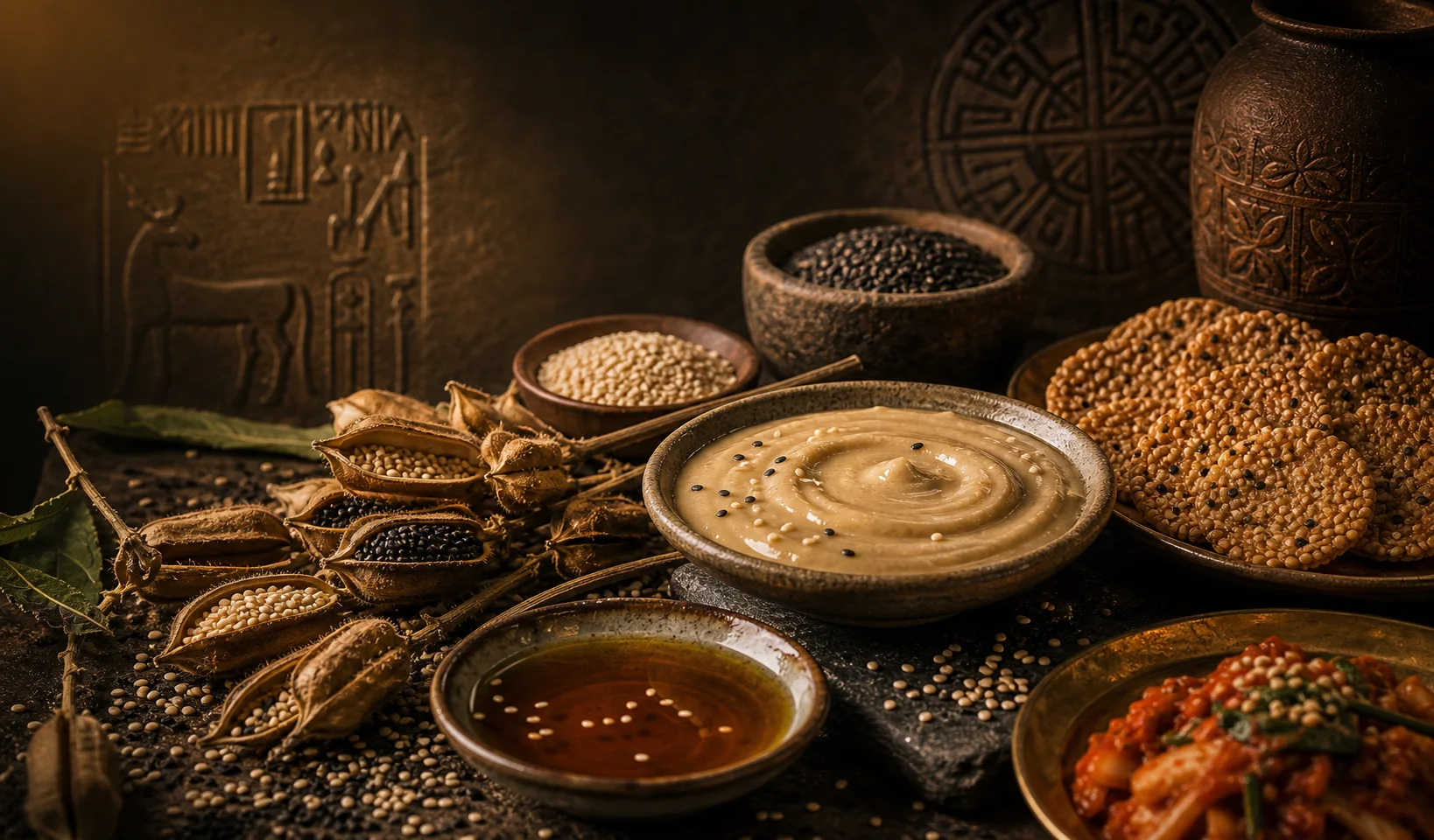
Sesame is one of the oldest cultivated oilseeds, domesticated in Africa and the Indian subcontinent and spread along ancient trade routes [2]. Black sesame specifically has deep Chinese and Japanese roots: used in medicine, ground into pastes for desserts, and folded into sesame balls (jin deui) and tangyuan [3]. The seed's oil richness and "open sesame" popping pods made it a pantry staple across Asia, the Levant and the Mediterranean for millennia.
Why it matters
The food-history value is that a 2026 breakout dessert ingredient is a 1,000-year-old seed meeting a new audience. The "new" flavor is an old ingredient in a new format. For the full history of sesame, see the article below.
How to try it
Look for black sesame ice cream at Japanese, Korean, and Chinese grocers, or at ice cream shops that rotate Asian flavors. To make it at home, swirl black sesame paste, called nerigoma, into a vanilla or sweet-cream base, or grind toasted black sesame seeds with a little sugar and fold them in. The color turns grey-purple and the flavor is nutty, roasted, and slightly bitter. Black sesame cookies are the easier entry point: substitute black sesame paste for some of the butter. For the ingredient's full history, read below.
📖 Read the full history
Trend Desk notes are timely. The durable history behind each trend lives in these articles and collections.
Comments
Community comments are coming soon. Check back later to join the discussion!