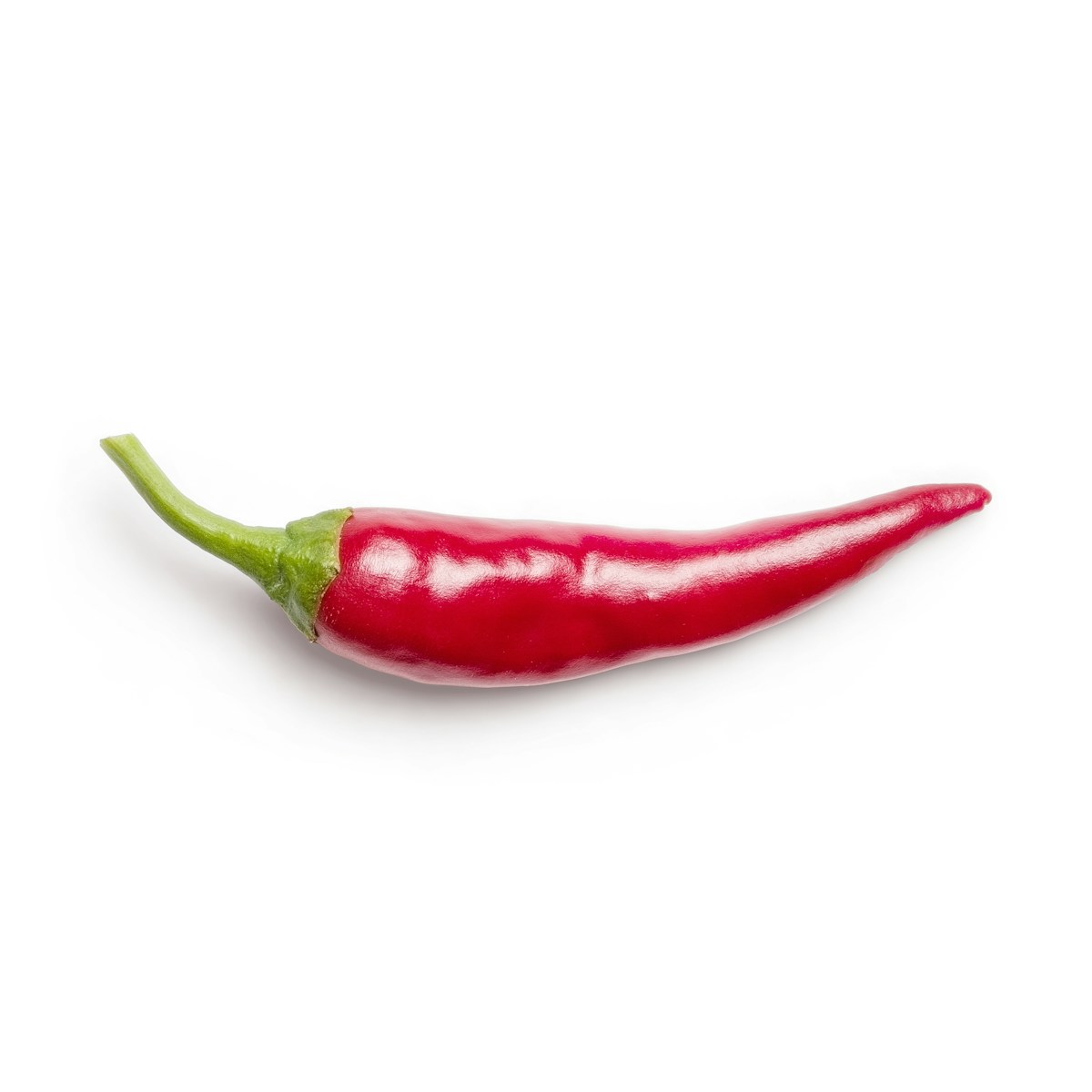
Gochugaru Is the Flake Behind Gochujang — Korea's Chili Powder, Explained
Gochugaru, Korea's sun-dried chili flake, is the color and heat behind gochujang, kimchi, and tteokbokki — and a 2026 pantry search of its own.
Gochugaru is Korea's signature chili flake: sun-dried, often seeded Capsicum ground to a coarse or fine powder that colors kimchi, stews, and the paste gochujang. It is not the same as American chili powder blends. Chili peppers reached Korea after the Columbian Exchange; gochugaru is the Korean form that made red heat a national pantry staple.
What's happening
As gochujang and kimchi ride the 2026 Korean fermentation boom, home cooks are searching one step upstream: gochugaru, the chili flake that gives those foods their red color and fruity heat. FoodNavigator's flavour-trends coverage keeps Korean and fermented flavors central to the year, and specialty markets now stock coarse and fine gochugaru beside the paste jars [1].
The question is usually practical — what is gochugaru, and can I swap cayenne? — but the answer is historical as much as culinary.
The history behind it
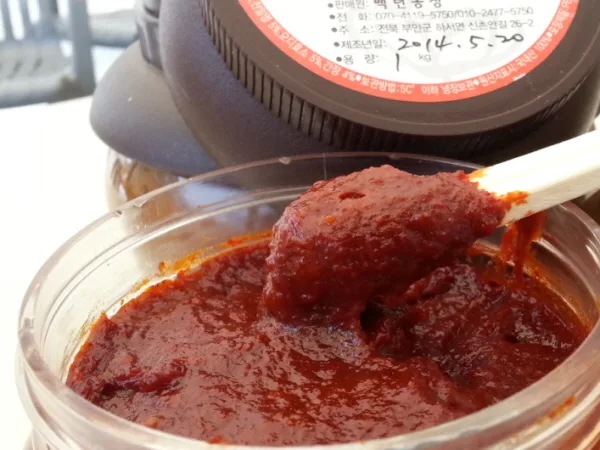
Capsicum peppers are American plants. They reached Korea in the late 16th or early 17th century through East Asian trade and contact, then entered jang culture and vegetable fermentation [2]. Gochugaru is typically made from Korean chili varieties dried and milled; gochujang combines gochugaru with fermented soybean powder, glutinous rice or grain starch, malt, and salt, aged into a sweet-savory paste [3].
Without the flake, there is no classic red kimchi or gochujang. The paste is a recipe; gochugaru is the chili identity inside it.
Why it matters
The food-history value is that a 2026 pantry search for "gochugaru" is a search for the chili that remade Korean cooking after the Columbian Exchange. Gochujang gets the headlines; gochugaru is the flake that makes the headlines red. See the full gochujang history below.
How to try it
Buy coarse gochugaru for kimchi and stews, finer for pastes and marinades; look for Korean-labeled bags rather than generic "chili powder," which is often a cumin-heavy blend. Start with a teaspoon in scrambled eggs, cucumber salad, or a quick gochujang-thinned sauce. Store airtight away from light; the color fades if left open. Cayenne is hotter and less fruity — a poor one-to-one swap. For the full history of gochujang and the paste tradition built on this flake, read below.
📖 Read the full history
Trend Desk notes are timely. The durable history behind each trend lives in these articles and collections.
Comments
Community comments are coming soon. Check back later to join the discussion!