💡 Key Takeaways
- Gochujang is a Korean fermented chili paste made with red pepper powder, grain starch, malt, fermented soybean material, and salt.
- It belongs to Korea's older jang tradition, but its red chili form only became possible after Capsicum peppers reached East Asia after the Columbian Exchange.
- Late Joseon texts and household fermentation practice show how gochujang became a pantry staple for rice meals, stews, marinades, and street foods.
Where did gochujang originate?
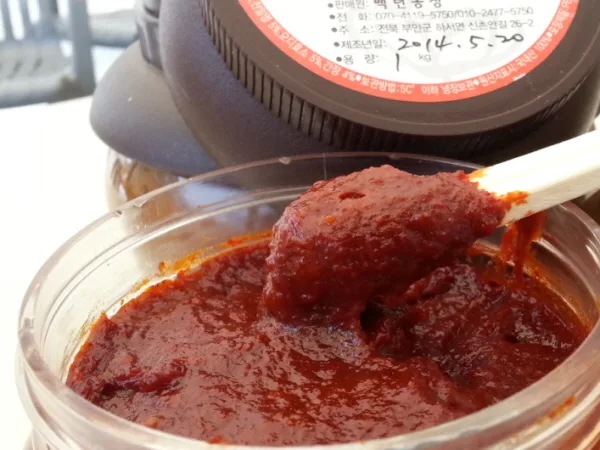
Gochujang is Korea's fermented red chili paste, a dense seasoning made by aging gochugaru, fermented soybean powder or meju, glutinous rice or another grain starch, malt, and salt. It belongs to Korea's older jang family of fermented sauces and pastes, alongside ganjang and doenjang, but its red chili identity is much later than those soybean condiments. Capsicum peppers came from the Americas and reached Korea only after the Columbian Exchange, probably in the late 16th or early 17th century through East Asian maritime trade and Japan-Korea contact [1][3]. Gochujang mattered because it fused older Korean fermentation knowledge with new heat, color, sweetness, and umami. Traditionally, the mixture aged in porous onggi jars on a household jangdokdae, where enzymes and microorganisms broke grain starches and soybean proteins into sugars, amino acids, and savory depth [1][2].
This timeline is important. Korea had sophisticated fermented soybean sauces before modern chili paste existed, but red gochujang could not have taken its familiar form until chili peppers became available. The food is therefore both old and new: old in its fermentation logic, newer in its defining red pepper ingredient.
Jang, Chili, and Joseon Kitchens
The word jang connects gochujang to one of Korea's foundational pantry systems. Ganjang, doenjang, and related fermented soybean products seasoned otherwise plain rice-based meals and supplied salt, protein, and umami. Gochujang entered that world by adding powdered red pepper and a sweet grain base to the older technique of controlled fermentation [1].
Joseon-period household and agricultural texts help anchor the history. Eighteenth-century works including Somun saseol and Jeungbo sallim gyeongje record gochujang or closely related red pepper paste preparations, showing that the condiment had moved from novelty toward practical kitchen use by late Joseon [4]. The exact route by which chili peppers reached Korea remains debated, but the safest historical reading is post-Columbian: peppers originated in the Americas, spread through Portuguese and other maritime networks, and were present in Korea by the early modern period [3].
Regional knowledge also mattered. Sunchang in North Jeolla became especially associated with gochujang because of its water, climate, grain culture, and reputation for slow fermentation. That regional identity helped turn gochujang from a household paste into a recognized Korean specialty.
Fermentation and Flavor
Gochujang fermentation is a careful collaboration between starch, soybean protein, salt, and microbes. In traditional production, malt helps saccharify cooked grain starch, turning it into sugars. Meju or fermented soybean powder contributes enzymes and microorganisms that break proteins into amino acids. Salt slows spoilage and keeps fermentation within a useful range, while red pepper powder gives the paste its color, capsaicin heat, and fruit-like aroma [1][2].
Codex Alimentarius defines gochujang as a red or dark red pasty fermented food made from saccharified grain starch, salt, red pepper powder, and other optional ingredients such as powdered meju, soybeans, soy sauce, or fermented soybean paste [2]. That modern standard is useful because it separates gochujang from ordinary hot sauce. Its flavor is not just spicy. It is sweet, salty, savory, earthy, and thick enough to coat rice cakes, meats, vegetables, noodles, and stews.
Why is gochujang culturally important?
Gochujang became important because Korean meals needed concentrated flavor. A bowl of rice, soup, and banchan could be transformed by a spoonful of jang. In bibimbap, gochujang ties rice, namul vegetables, egg, sesame oil, and meat into one dish. In stews and braises, it gives broth body and color. In marinades, it helps create the sweet-hot profile now associated with many Korean grilled and stir-fried dishes.
Its history also shows how Korean cuisine adapted foreign crops without losing local structure. Chili peppers were not originally Korean, but gochujang made them Korean by folding them into onggi fermentation, rice meals, soybean jang, and seasonal household labor. That is why the paste can feel both modern and deeply rooted.
How is gochujang used today?
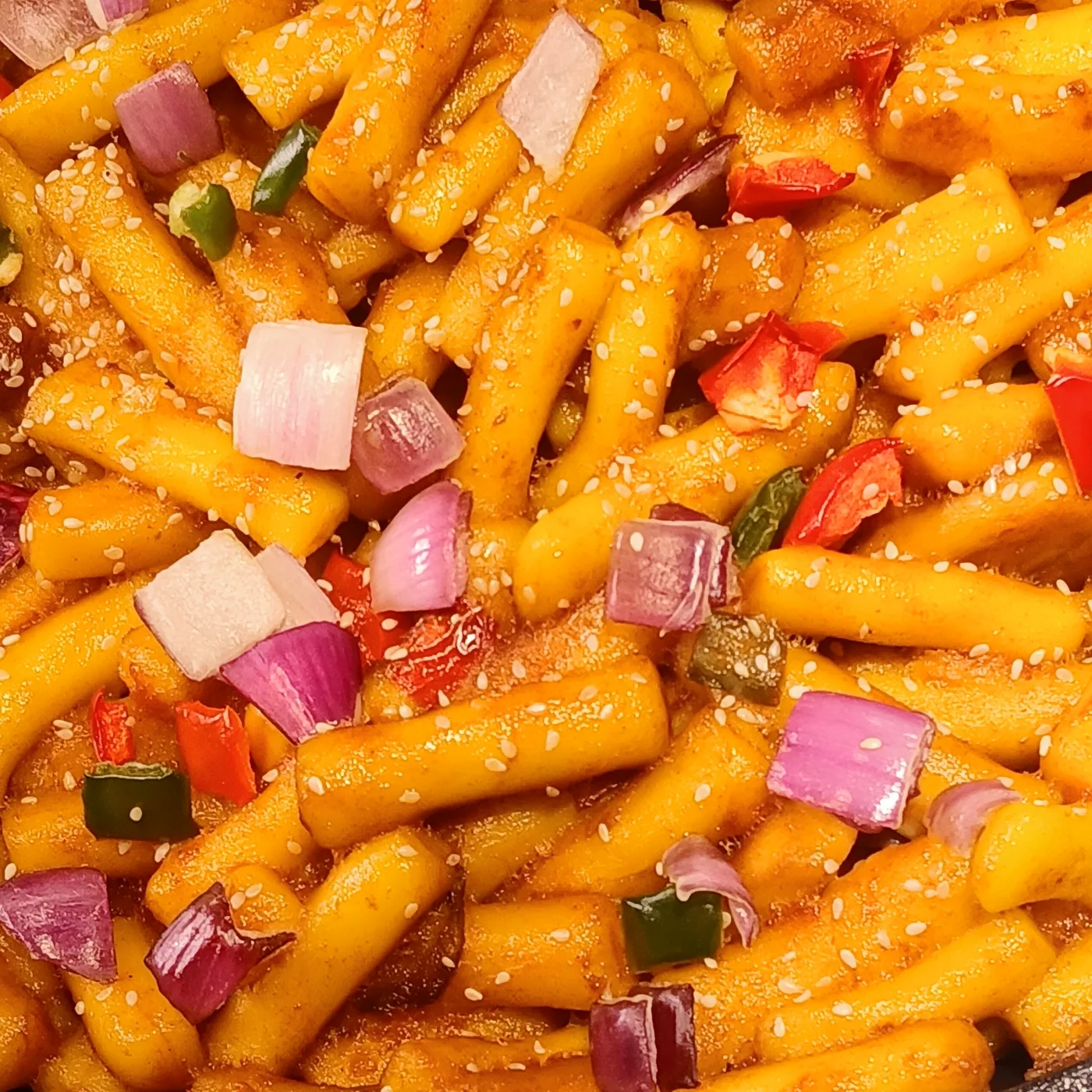
Today, gochujang is a global Korean ingredient. It appears in tteokbokki, bibimbap, jjigae, bulgogi-style marinades, dipping sauces, fried chicken glazes, salad dressings, noodles, soups, and fusion condiments. In global pantry culture, it is often compared to North African harissa, another legendary chili paste born of the Columbian Exchange. Industrial versions make it shelf-stable and easy to export, while artisan and household makers continue to value long aging and regional character.
For cooks outside Korea, the main lesson is to treat gochujang as fermented seasoning, not just heat. It is usually balanced with soy sauce, vinegar, sugar, sesame oil, garlic, broth, or fruit depending on the dish. Used carefully, it carries centuries of Korean fermentation knowledge in a single red spoonful.
In the news
Recent 2026 food-culture notes that reference this article.
Historical Timeline
Korean jang traditions develop around fermented soybeans, salt, grains, and long household aging before chili peppers are part of Korean cooking
Capsicum peppers from the Americas reach Korea through post-Columbian trade networks and Japan-Korea contact
Joseon-period records such as Somun saseol and Jeungbo sallim gyeongje document gochujang and related red pepper paste preparations
Household onggi fermentation and regional specialties such as Sunchang gochujang strengthen the paste's role in Korean pantry culture
Global interest in Korean food brings gochujang into restaurant sauces, marinades, packaged foods, and home kitchens worldwide
Evidence Explorer
Review the Source Trail
Inspect the article sources, scoped review credits, and copyable citation details without leaving the page.
Sources Listed
Comments
Community comments are coming soon. Check back later to join the discussion!