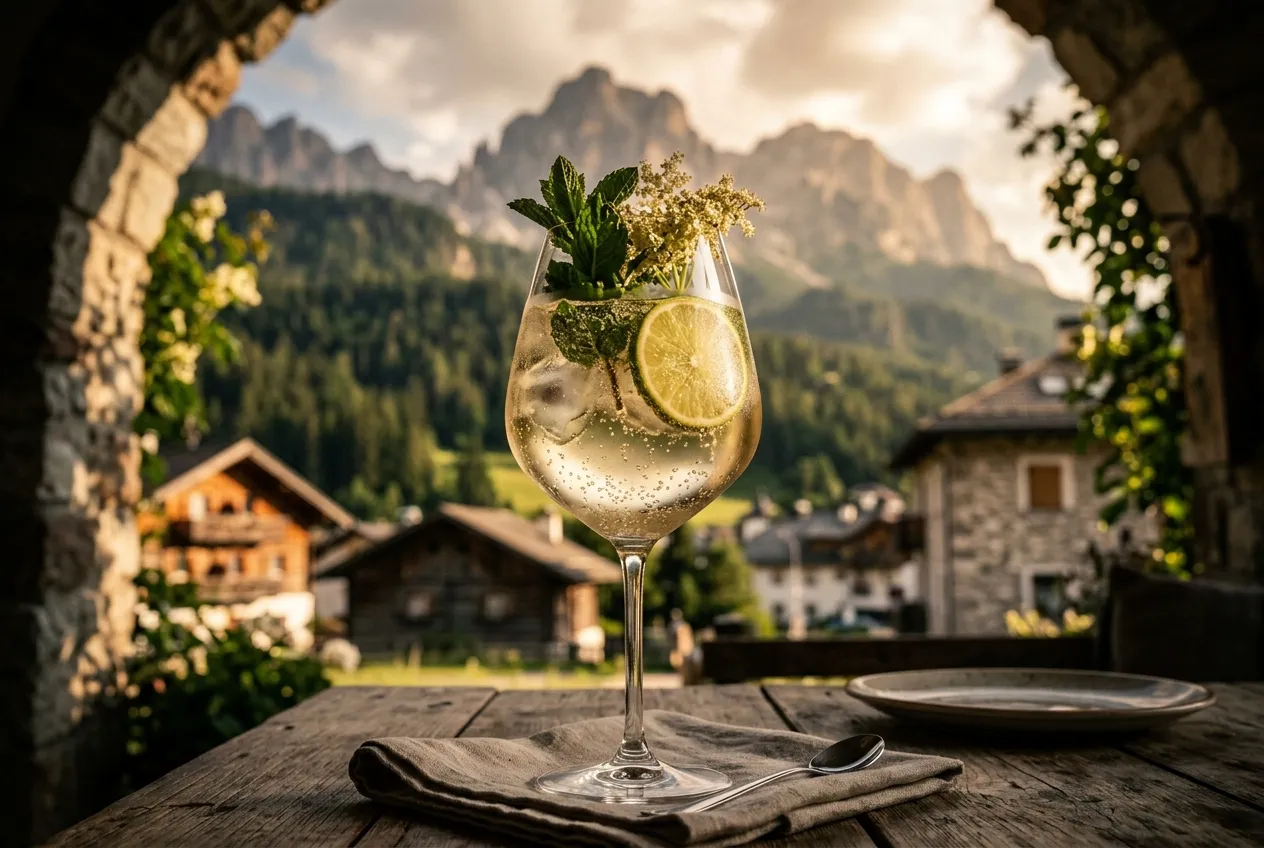
Hugo vs Aperol: The 2026 Spritz War Is Floral Against Bitter Orange
Hugo and Aperol spritzes are competing for summer 2026 glass space — elderflower and mint against bittersweet orange, both sitting inside an older Veneto spritz tradition.
Hugo vs Aperol is the 2026 spritz rivalry: a floral elderflower-and-mint Hugo against the bittersweet orange Aperol classic. Google Summergeist flagged huge Hugo "how to make" interest alongside ongoing Aperol searches. Both drinks sit inside an older Veneto habit of diluting wine with sparkling water.
What's happening
Summer 2026 turned the spritz aisle into a two-drink contest. Google Summergeist recorded a roughly 2,200% jump in "how to make a Hugo spritz at home," while Aperol recipe searches remained a breakout of their own [1]. Bars and backyard tables are choosing between bright orange bitterness and pale floral sweetness — same glass, same ice, different personality.
The Hugo is lighter and more perfume-forward; the Aperol is bittersweet, herbal, and still the default orange spritz most people recognize.
The history behind it
Neither drink invented the spritz. The family grows out of the Austro-Hungarian and Veneto habit of lengthening wine with sparkling water, later fixed by mid-20th-century bitter aperitivos. Aperol, created in Padua in 1919, became the global spritz template when mixed with prosecco and soda [2].
The Hugo is much younger: widely credited to barman Roland Gruber in Naturns, South Tyrol, around 2005, swapping elderflower syrup for orange bitter and adding mint and lime [3]. So the "war" is a 2005 alpine drink challenging a century-old Paduan aperitivo inside a still older diluted-wine tradition.
Why it matters
The food-history value is that a viral rivalry is really a family argument. Hugo and Aperol are siblings in the spritz lineage, not opposites from nowhere — one floral and alpine, one bitter and Venetian, both built on prosecco, soda, and ice. For the wine history behind the glass, see the article below.
How to try it
For an Aperol spritz, build over ice in a wine glass: three parts prosecco, two parts Aperol, one part soda, orange slice. For a Hugo, use the same proportions but swap Aperol for elderflower syrup or liqueur, then add mint and a squeeze of lime. Taste them side by side if you can — the Hugo reads floral and soft; the Aperol reads bitter and citrus-herbal. Neither needs shaking; gentle stirring keeps the bubbles. For the wine history behind the spritz family, read below.
📖 Read the full history
Trend Desk notes are timely. The durable history behind each trend lives in these articles and collections.
Comments
Community comments are coming soon. Check back later to join the discussion!