Konjac and Shirataki Are Riding the Fiber Wave — an Old Japanese Root Crop
Shirataki noodles look like a 2026 diet hack. They are konjac: a Japanese (and East Asian) root processed into glucomannan gel noodles with a much older pantry life.
Konjac (konnyaku) is processed from the corm of Amorphophallus konjac into a glucomannan gel used in Japanese and wider East Asian cooking — including shirataki noodles. The 2026 fiber and low-carb wave markets it as a noodle hack. The deeper story is an old root-crop gel food meeting modern fiber culture.
What's happening
The history behind it
Konjac corms have been processed in Japan and neighboring regions into konnyaku cakes and noodles for centuries — a jelly-like food made possible by glucomannan, a water-binding fiber that sets into a springy gel [3][4]. Shirataki ("white waterfall") names the thin noodle form familiar in sukiyaki and modern packaged cups.
It belongs to East Asian gel-and-root cookery, not to a Silicon Valley snack lab.
Why it matters
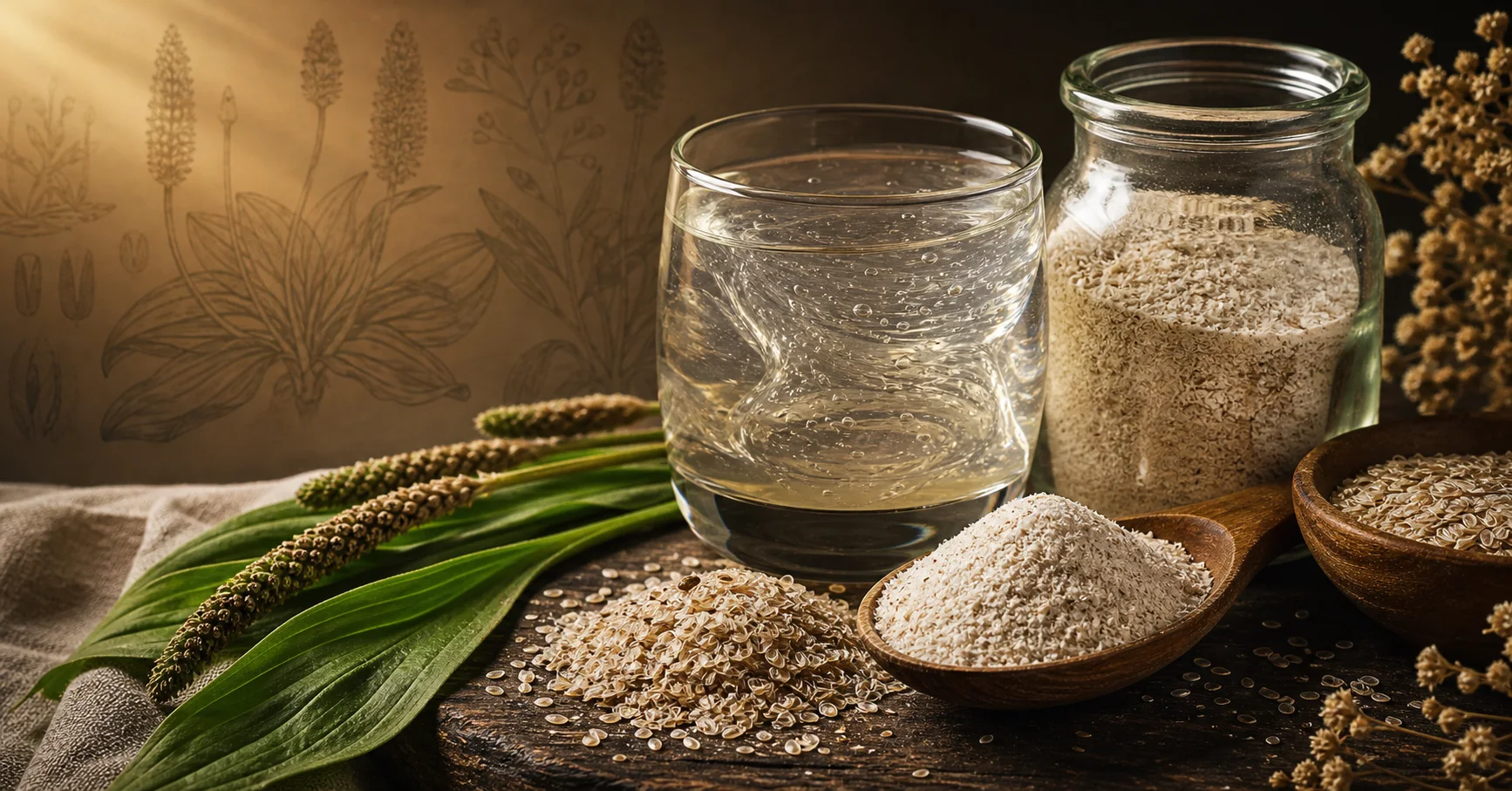
The food-history value is that fiber culture keeps rediscovering old hydrocolloids. Konjac sits beside psyllium as a plant material whose physical behavior — swelling, gelling — becomes a modern metric. See the psyllium article for the parallel fiber story.
How to try it
Rinse packaged shirataki well, dry-sauté briefly to reduce the packaged aroma, then sauce aggressively — the noodles are a texture vehicle. Do not expect wheat pasta flavor. Treat konjac as a gel food with Japanese roots, not as a miracle. For the wider fiber-plant story, read psyllium below.
📖 Read the full history
Trend Desk notes are timely. The durable history behind each trend lives in these articles and collections.
Comments
Community comments are coming soon. Check back later to join the discussion!