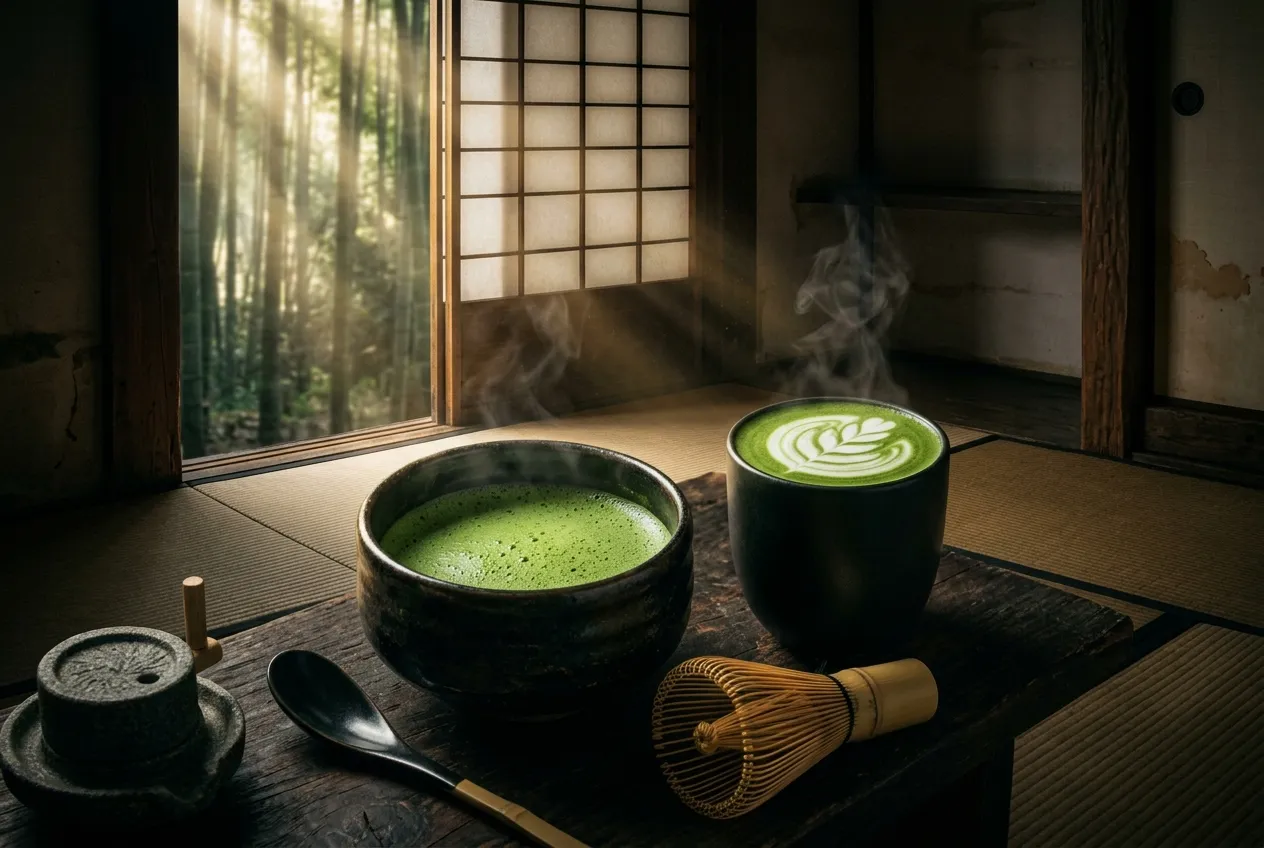
Matcha Lattes Are Everywhere in 2026 — but the Tea Is 1,000 Years Old
The 2026 cafe matcha boom is new attention on an old tea: Song dynasty China, Japanese tea ceremony, Uji tencha, stone-milled powder.
Matcha is the 2026 cafe craze — lattes, pastries, and fusion drinks on every menu. But matcha is a powdered green tea with roots in Song dynasty China and centuries of Japanese tea ceremony, Uji tencha cultivation, and stone milling. The boom is new attention on a 1,000-year-old tea.
What's happening
Matcha is the cafe ingredient of 2026 — in lattes, pastries, and fusion drinks, and across social video. 2026 coverage flags matcha as a defining cafe flavor [1], with demand pressure showing up as supply worry in some reporting. The boom is volume: matcha as an everyday cafe base, not a ceremonial rarity.
The history behind it
Matcha is powdered green tea. The technique is old: powdered tea emerged in Song dynasty China and traveled with Zen monks to Japan, where it became the basis of the Japanese tea ceremony [2]. Uji tencha cultivation and stone milling refined it over centuries [3]. The 2026 cafe matcha is the same tea in a new format — whisked into milk instead of served as ceremony.
Why it matters
The food-history value is that the 2026 cafe craze is new attention on an old tea, not a new drink. A matcha latte has 1,000 years of ritual and cultivation behind it. For the full history and the wider fusion boom, see the matcha article and the Matcha Fusions collection below.
What matcha actually is
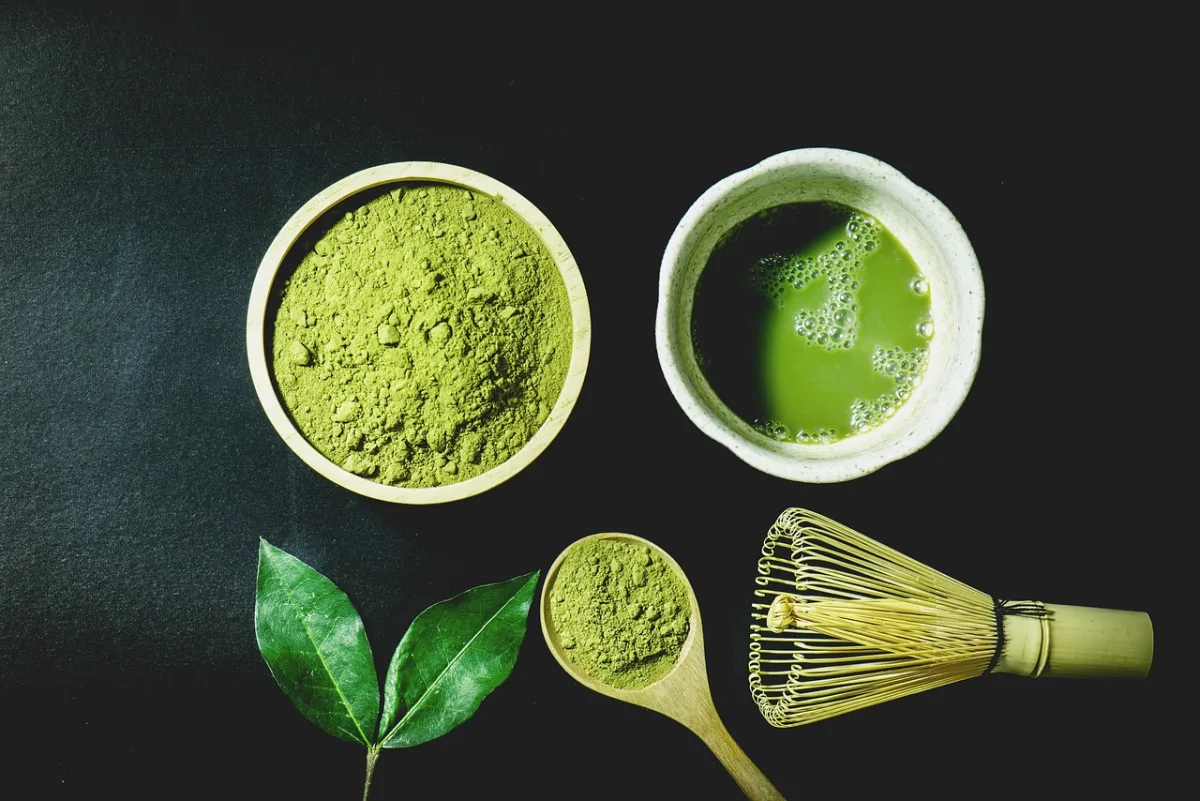
Matcha is shade-grown green tea whose leaves are stone-ground into a fine powder, so you drink the whole leaf rather than an infusion. It is not the same as regular steeped green tea or sencha, and it is not the sugar-heavy latte powder sold in many cafes, which is often mostly sugar and milk powder with a little matcha blended in. Real matcha is graded: ceremonial for drinking, whisked with water, and culinary for lattes and baking. A serving is about one to two grams whisked in water just under a boil, around 70 degrees Celsius, because boiling water makes it bitter. It carries more caffeine than steeped green tea, with a calmer, longer-lasting effect linked to its L-theanine. For the full history of matcha and the fusion wave, read below.
📖 Read the full history
Trend Desk notes are timely. The durable history behind each trend lives in these articles and collections.
Comments
Community comments are coming soon. Check back later to join the discussion!