💡 Key Takeaways
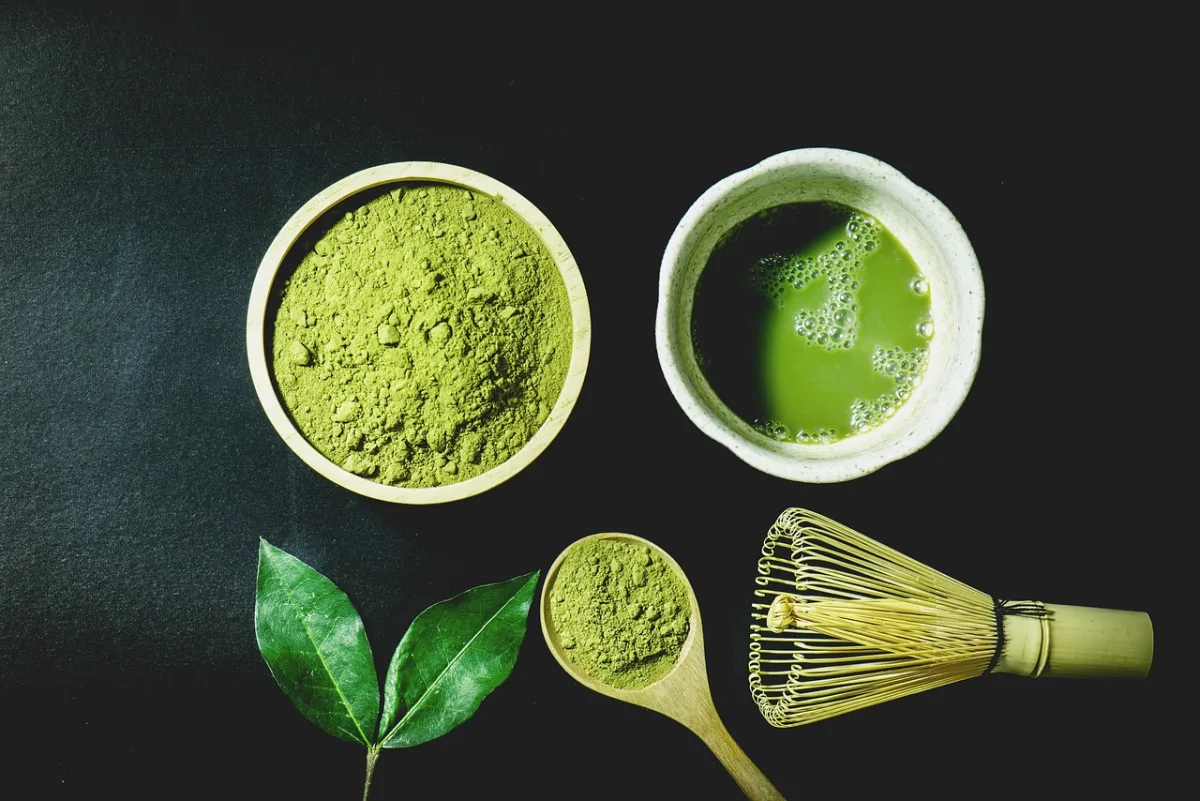
- Matcha is finely ground green tea powder, most closely associated with Japanese tea culture and usually made from shade-grown tencha leaves.
- Its history begins with earlier Chinese powdered tea practices, but modern Japanese matcha developed through Zen transmission, tea ceremony, Uji cultivation, and specialized processing.
- Matcha became globally visible through lattes, desserts, and cafe culture, but its historical core is ritual preparation, agricultural craft, and powdered-tea technique rather than wellness marketing.
Where did matcha originate?
Matcha is finely ground green tea powder, most closely associated today with Japan but rooted in older East Asian powdered tea practices. In Song dynasty China, tea could be steamed, dried, ground, and whisked with hot water; this powdered method was valued in elite, literary, and Buddhist contexts before later Chinese tea culture shifted toward steeped loose leaves [1][4]. Japanese matcha developed from that earlier world but is not simply a surviving Chinese drink. It became a distinct Japanese practice through Zen Buddhist transmission, specialized agriculture, stone milling, and the ritual culture of chanoyu. The monk Eisai is traditionally credited with bringing tea seeds and renewed tea knowledge from Song China to Japan around 1191, though historians treat individual origin stories cautiously because tea entered Japan through several waves of contact [2][3].
The food-history importance of matcha lies in that transformation. A monastic powdered tea technique became a Japanese ritual art, an Uji agricultural specialty, and eventually a global cafe flavor.
Zen and Tea Ceremony
Powdered tea took root in Japan through religious and social settings before it became the formalized tea culture recognized today. Zen monasteries valued tea for alertness during study and meditation, but matcha history should not be reduced to a simple stimulant story. Tea preparation also created disciplined movements, utensils, hospitality rules, and spaces for attention [2][4].
By the medieval period, powdered tea circulated among temples, aristocrats, warriors, merchants, and cultural specialists. Tea gatherings could be competitive, luxurious, austere, political, or devotional depending on period and setting. The practice later called chanoyu, chado, or the way of tea was refined especially in the 15th and 16th centuries. Tea masters including Murata Juko, Takeno Joo, and Sen no Rikyu shaped ideals of simplicity, seasonal awareness, utensils, guest-host relation, and wabi aesthetics. In that world, matcha was not a casual beverage. It was the material center of a carefully staged encounter.
Uji and Shade-Grown Tencha
Uji, near Kyoto, became one of Japan's most famous tea regions because geography, patronage, craft knowledge, and proximity to elite culture reinforced one another. Kyoto Prefecture's tea history links Uji tea with medieval and early modern improvements in cultivation, processing, and reputation [3]. Uji's status mattered because matcha depends on more than grinding ordinary green tea.
The base tea for high-quality matcha is tencha: leaves grown under shade before harvest, then steamed, dried without rolling, and separated from stems and veins before stone milling. Shading changes leaf chemistry and appearance, increasing chlorophyll and helping produce the vivid green color and smoother savory-sweet profile prized in ceremonial matcha [1][3]. This is where modern Japanese matcha becomes historically specific. Older powdered tea practices existed in China, but the Japanese system of shade-grown tencha, careful sorting, and fine milling created the matcha identity now recognized worldwide.
Global Cafe Culture
Matcha's global spread in the late 20th and 21st centuries changed its public meaning. Outside Japan, many people first encountered it through lattes, smoothies, cakes, ice cream, cookies, chocolate, bottled drinks, and bright green cafe menus. That expansion made matcha more visible but also flattened its history into color, caffeine, or wellness marketing.
A careful food-history reading keeps both sides in view. Modern cafe matcha is real cultural adaptation: powdered tea works well in milk, sugar, pastry, and cold drinks because it carries color and flavor through the whole mixture. But it is not the same as koicha or usucha prepared in a tea room. The global cafe version belongs to contemporary commerce, branding, and visual food culture; the ceremonial version belongs to centuries of Japanese practice, tools, and etiquette. Both are part of matcha now, but they should not be confused.
How is matcha used today?
Today, matcha is used in several overlapping worlds. In Japanese tea ceremony, it is whisked with hot water as usucha, thin tea, or koicha, thick tea, depending on occasion, school, and grade of tea. In everyday kitchens, it flavors sweets, noodles, salt blends, desserts, and drinks. In global cafes, it appears in hot and iced lattes, often sweetened or mixed with dairy and plant-based milks.
The best way to understand matcha is as powdered tea with layers: Chinese precedents, Japanese Zen transmission, Uji agriculture, tencha processing, tea ceremony discipline, and modern cafe reinvention. That layered history makes it a strong bridge article for the site's tea, Japanese food culture, botanical drinks, and global comfort-drink clusters.
In the news
Recent 2026 food-culture notes that reference this article.
- Jul 14, 2026CHAGEE Opens in San Diego as Its U.S. Teahouse Push Expands→
- Jul 8, 2026Pandan Is Southeast Asia's Next Visual Flavor After Matcha→
- Jul 6, 2026Ube Is the Next Matcha — a Filipino Yam With Centuries of Dessert History→
- Jul 6, 2026Strawberry Matcha Is the 2026 Cafe Fusion — Built on a 1,000-Year-Old Tea→
- Jul 4, 2026Matcha Lattes Are Everywhere in 2026 — but the Tea Is 1,000 Years Old→
- Jun 20, 2026Color as Cuisine: Matcha, Sesame, Ube→
- Jun 20, 2026Horchata de Chufa Is the Valencian Original — Tiger Nuts, Not Rice→
- Jun 19, 2026Hojicha Is the Roasted Tea Behind 2026's Caffeine-Anxious Summer→
- Jun 18, 2026Matcha Tiramisu: Italian Dessert Meets Japanese Tea→
- Jun 18, 2026Types of Matcha Drinks: A Field Guide→
- Jun 18, 2026Instant Matcha Sticks: Travel Tea Meets Cafe Culture→
- Jun 18, 2026What Is Horchata? Searches +185% for a Drink With Moorish Roots→
- Jun 17, 2026Powdered Tea From Song China to Kyoto→
- Jun 17, 2026How Matcha Is Shade-Grown: Tencha and Covering→
- Jun 17, 2026Chinese vs Japanese Matcha: Powdered Tea Lineages→
- Jun 17, 2026Ceremonial vs Culinary Matcha: Grades Explained→
- Jun 17, 2026Matcha Latte vs Usucha: Cafe Cup vs Ceremony Bowl→
- Jun 17, 2026CHAGEE and the U.S. Teahouse Expansion Wave→
- Jun 17, 2026The Matcha-Horchata Latte Is Breakout — Three Ancient Drinks in One Cup→
- Jun 16, 2026Chasen: The Bamboo Whisk Behind Matcha Ritual→
- Jun 16, 2026Matcha Shortage and the Export Boom, Explained→
- Jun 16, 2026Blue Matcha: Butterfly Pea Marketing vs Real Matcha→
- Jun 16, 2026Cold Foam Cloud Matcha: Cafe Texture Tech Explained→
- Jun 16, 2026Pistachio Matcha: Green-on-Green Cafe Pairing Explained→
- Jun 16, 2026Banana Matcha: The Fusion Up 594% YoY→
- Jun 15, 2026Yuzu Matcha: Japanese Citrus Meets Powdered Tea→
Historical Timeline
Whisked powdered tea practices develop in China, especially in elite, literati, and monastic settings
The monk Eisai is traditionally credited with returning from Song China with tea seeds and helping establish new tea practices in Japan
Powdered tea becomes linked with Zen monasteries, warrior culture, formal gatherings, and Japanese preparation aesthetics
Chanoyu, or the Japanese way of tea, is refined by tea masters including Sen no Rikyu, making powdered tea central to ritual practice
Uji near Kyoto becomes one of Japan's most prestigious tea regions, associated with shade-grown tencha and stone-milled matcha
Matcha spreads through global cafe culture, lattes, sweets, bottled drinks, and culinary uses while ceremonial practice continues
Evidence Explorer
Review the Source Trail
Inspect the article sources, scoped review credits, and copyable citation details without leaving the page.
Sources Listed
Comments
Community comments are coming soon. Check back later to join the discussion!