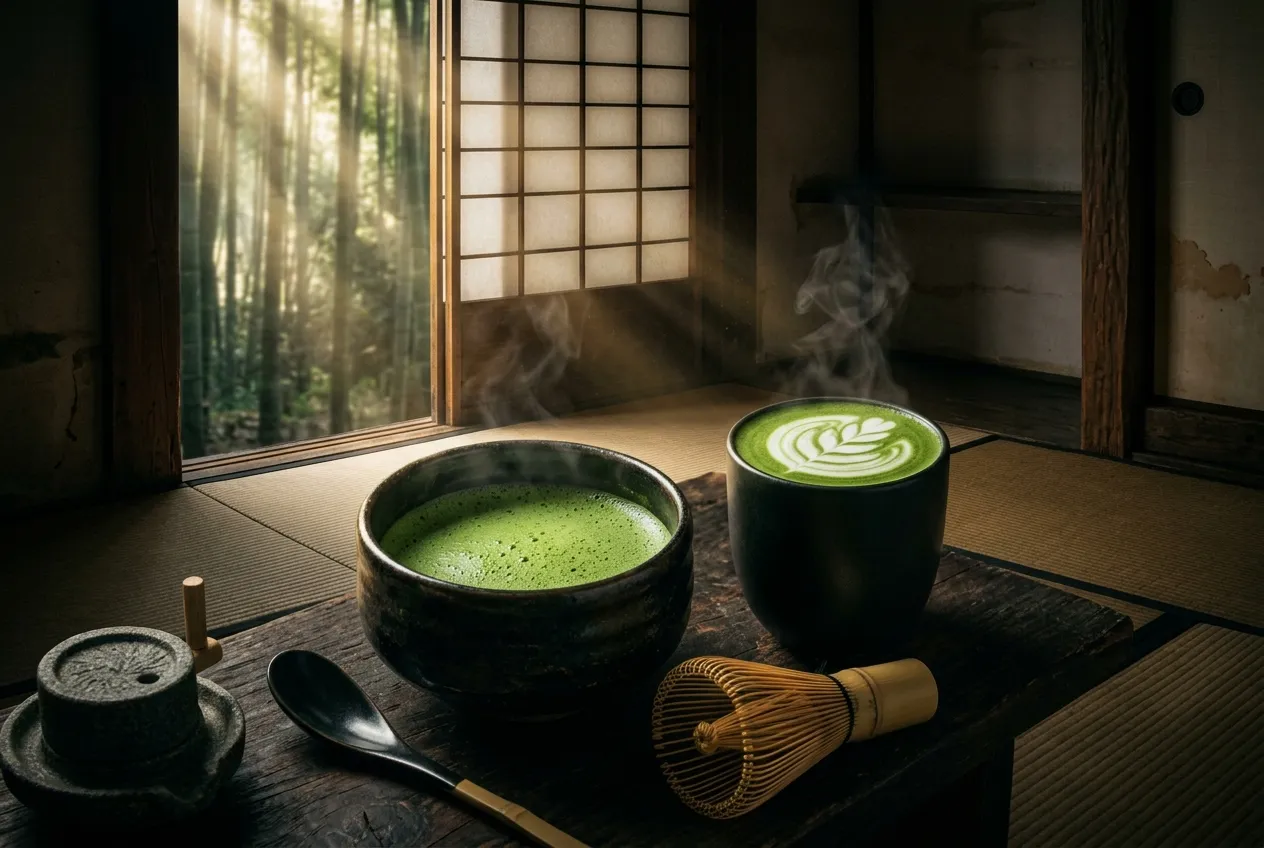
The Matcha-Horchata Latte Is Breakout — Three Ancient Drinks in One Cup
The matcha-horchata latte is a 2026 Google breakout. It fuses matcha (1,000-year-old Japanese tea) with horchata, a Mexican rice drink with Moorish roots.
The matcha-horchata latte is a 2026 Google Summergeist breakout drink, fusing matcha — a roughly 1,000-year-old Japanese powdered green tea — with horchata, a Mexican rice-based drink with medieval Moorish roots. It is three old drinks (matcha, horchata, latte) in one 2026 cup.
What's happening
The matcha-horchata latte is a Google Summergeist 2026 breakout search, riding the wider matcha cafe boom and the surge in horchata interest [1]. The drink layers matcha over a creamy horchata base — sweet, spiced, dairy-free — and reads as both a cafe novelty and a fusion of two old beverage traditions.
The history behind it
Matcha is powdered green tea with roots in Song dynasty China and centuries of Japanese tea ceremony, Uji tencha cultivation and stone milling [2]. Horchata is a Mexican rice drink descended from the medieval Mediterranean "horchata de chufa" (tiger-nut horchata) carried into Spain under Moorish influence, then adapted to rice in the Americas [3]. The latte format itself is a 20th-century espresso-bar convention.
Why it matters
The food-history value is that a 2026 breakout drink is three ancient beverages stacked in one cup. The novelty is the assembly, not the ingredients. For the full history of matcha and the wider fusion boom, see the articles below.
How to try it
To make a matcha-horchata latte at home, brew horchata first by soaking rice with cinnamon, blending, and straining, or buy it ready-made. Whisk a serving of latte-grade matcha with a little hot water and pour it over ice and horchata. The layers are part of the appeal, green over white. If you are caffeine-sensitive, use half a matcha serving; the drink is still strong. For the histories of matcha and the wider fusion wave, read below.
📖 Read the full history
Trend Desk notes are timely. The durable history behind each trend lives in these articles and collections.
Comments
Community comments are coming soon. Check back later to join the discussion!