Mochi's Chewy Texture Is Having a Western Moment — on a 1,000-Year Rice Cake Tradition
Mochi ice cream, mochi doughnuts, and stretchy rice cakes are a 2026 texture craze. The chew comes from pounded glutinous rice — a Japanese New Year and festival food long before the freezer aisle.
Mochi is a Japanese rice cake made by pounding cooked glutinous (sticky) rice into an elastic mass, traditionally eaten at New Year and festivals. The 2026 Western moment — mochi ice cream, mochi doughnuts, and stretchy cafe desserts — sells the chew as a texture trend. The grain underneath is rice; the technique is centuries of Japanese rice-cake craft.
What's happening
Mochi ice cream, mochi doughnuts, and "mochi texture" desserts are a visible 2026 cafe and freezer trend, riding the same Asian-dessert mainstreaming wave as ube, pandan, and black sesame [1]. The hook is mouthfeel: stretch, bounce, and soft resistance that photographs as well as it chews.
Shoppers asking "what is mochi" usually meet the ice-cream ball first, not the New Year pounding ceremony.
The history behind it
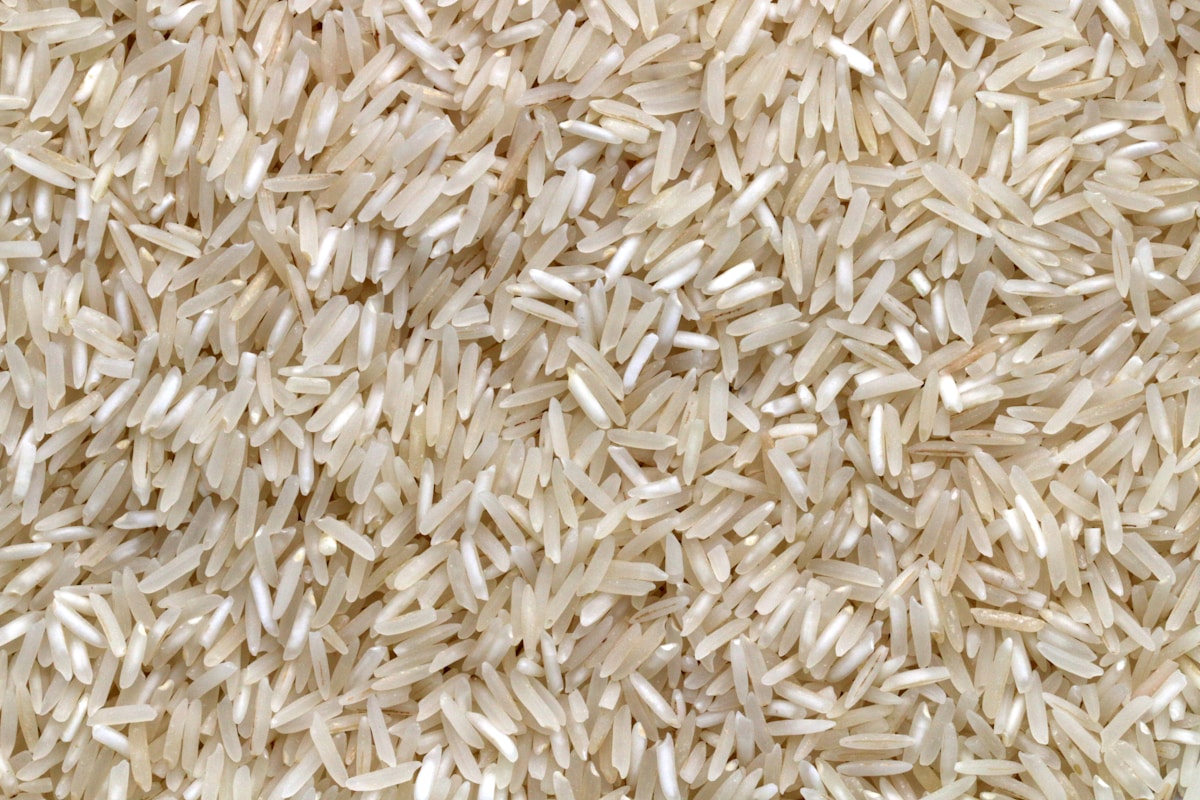
Rice was domesticated in the Yangtze basin and became the staple of much of East Asia [2]. Mochi is specifically Japanese ceremonial and everyday food made from mochigome (glutinous rice), steamed and pounded until the starches form a stretchy dough, then shaped and often dusted with starch [3]. New Year kagami mochi and filled daifuku sit in a long ritual and confectionery tradition.
Mochi ice cream — a ball of ice cream wrapped in a thin mochi skin — is a much later commercial format popularized in the late twentieth century for global markets. The 2026 doughnut and latte spin-offs are newer still.
Why it matters
The food-history value is that a texture trend is a rice technology. Western menus did not invent chew; they packaged glutinous-rice craft for freezer aisles and Instagram. For the full rice history, see below.
How to try it
Start with fresh or well-thawed mochi ice cream, or plain daifuku from a Japanese bakery. Microwave or steam shelf-stable mochi briefly so it softens; never give large sticky pieces to small children unsupervised because of choking risk. To taste the base ingredient, cook short-grain glutinous rice and notice the same stretch. For how rice became East Asia's staple, read below.
📖 Read the full history
Trend Desk notes are timely. The durable history behind each trend lives in these articles and collections.
Comments
Community comments are coming soon. Check back later to join the discussion!