💡 Key Takeaways
- Rice traces its origins to Yangtze River Valley, China, where it was first cultivated or discovered around 9,000 BCE.
- From its origins in Yangtze River Valley, China, rice embarked on an extraordinary journey across continents and centuries.
- Rice holds deep cultural significance across many civilizations.
Where did rice originate?
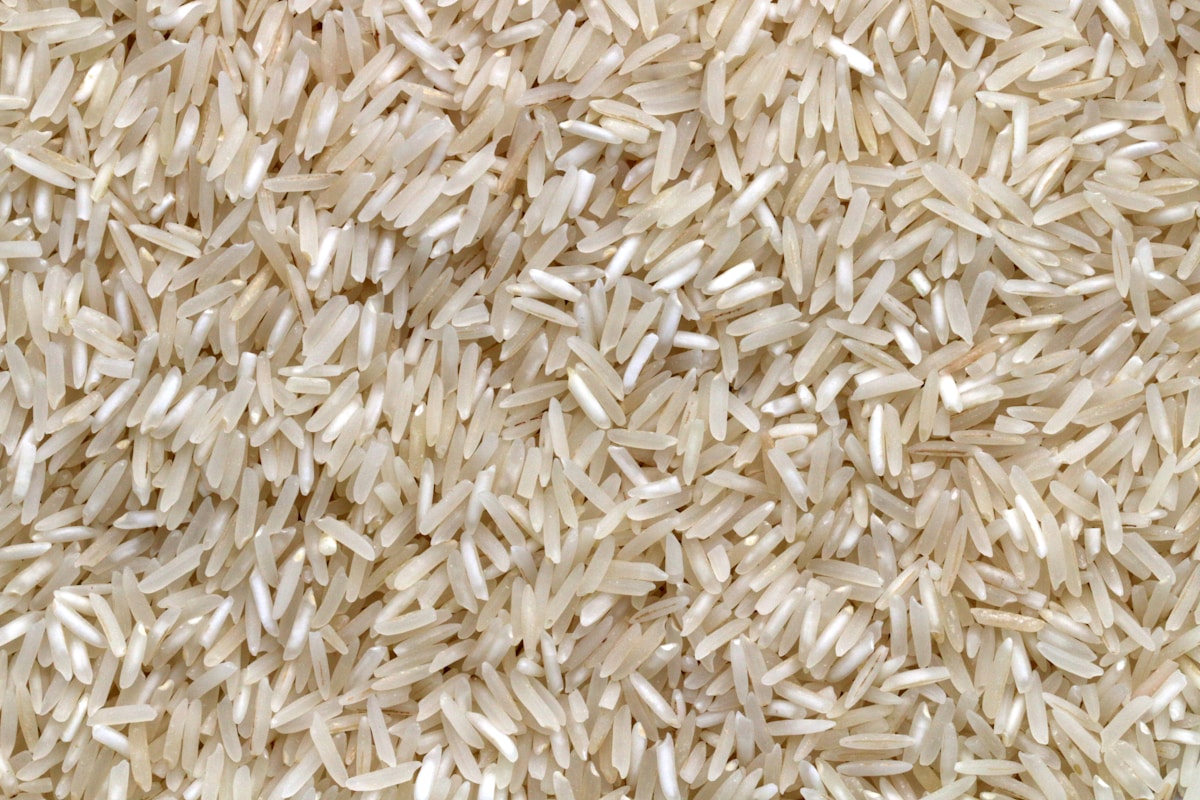
Rice traces its origins to Yangtze River Valley, China, where it was first cultivated or discovered around 9,000 BCE. The earliest evidence suggests that ancient peoples recognized its value not just as sustenance, but as a commodity worth trading across vast distances. Archaeological finds from this region reveal tools and residues associated with rice processing, indicating that humans developed sophisticated techniques for its preparation very early on [1].
The domestication of rice represented a turning point in human civilization. What began as foraging from wild sources gradually transformed into deliberate cultivation, as communities realized the strategic advantage of controlling this valuable resource. This shift from gathering to growing rice helped establish permanent settlements and trade networks that would shape the ancient world [2].
How did rice evolve over time?
From its origins in Yangtze River Valley, China, rice embarked on an extraordinary journey across continents and centuries. Ancient trade routes — including the Silk Road, maritime spice routes, and overland caravan paths — carried it to new civilizations, each of which adapted it to their own culinary traditions and cultural practices [1].
In the ancient world, rice was often considered a luxury, reserved for royalty and religious ceremonies. As trade networks expanded and cultivation spread, it gradually became accessible to broader populations. Medieval merchants and explorers played crucial roles in its distribution, while colonial-era plantations and trade monopolies dramatically reshaped its production and availability [2].
The Industrial Revolution brought mass production techniques that made rice widely available for the first time in history. New processing methods, transportation innovations, and global trade agreements transformed it from a regional specialty into a worldwide staple. The 20th and 21st centuries have seen further evolution, with artisanal revivals and sustainability movements reshaping how we produce and consume rice [3].
Why is rice culturally important?
Rice holds deep cultural significance across many civilizations. It has appeared in religious texts, folklore, art, and literature throughout history. Different cultures have developed unique traditions, recipes, and rituals centered around rice, making it a powerful symbol of identity and heritage [1].
In many societies, rice serves as more than mere nutrition — it represents hospitality, celebration, and community. Festivals, holidays, and family gatherings around the world feature rice prominently, connecting modern people to traditions that stretch back millennia [2].
Today, rice continues to evolve as chefs, food scientists, and home cooks find new applications and appreciate traditional preparations. The global market for rice reflects its enduring importance, while sustainability concerns and fair trade movements seek to ensure its production remains ethical and environmentally responsible [3].
Modern Renaissance
The 21st century has seen a remarkable renaissance in appreciation for rice. Artisanal producers, specialty shops, and farm-to-table restaurants have elevated it from commodity to craft. Single-origin varieties, heritage cultivars, and traditional production methods are being rediscovered and celebrated [1].
Scientific research continues to reveal new dimensions of rice — from nutritional benefits to environmental impacts of its cultivation. Modern food technology has created innovative products and applications, while a growing awareness of food heritage has sparked interest in ancient varieties and preparation techniques [2].
As we look to the future, rice faces both challenges and opportunities. Climate change threatens traditional growing regions, while new agricultural techniques and biotechnology offer potential solutions. The history of rice — from ancient origins to modern table — remains one of humanity's most compelling food narratives, connecting us to our ancestors and to each other across time and space.
In the news
Recent 2026 food-culture notes that reference this article.
- Jul 6, 2026Nori and Wakame: Fiber Meets Umami→
- Jun 26, 2026Arancini: Sicilian Rice Balls to Freezer Fine Dining→
- Jun 26, 2026Dosa and Idli: Fermented Batter History→
- Jun 23, 2026Furikake: Japanese Rice Seasoning Mainstream→
- Jun 19, 2026Biryani's Contested Origins: Hyderabad, Lucknow, and a Dish Too Famous for One Birthplace→
- Jun 9, 2026Mochi's Chewy Texture Is Having a Western Moment — on a 1,000-Year Rice Cake Tradition→
Historical Timeline
Earliest evidence of rice use in Yangtze River Valley, China
Rice spreads through trade routes across continents
Rice becomes integral to global cuisine and trade
Rice becomes a global commodity and cultural icon
Evidence Explorer
Review the Source Trail
Inspect the article sources, scoped review credits, and copyable citation details without leaving the page.
Reviewed for Stated Scope
Sources Listed
Comments
Community comments are coming soon. Check back later to join the discussion!