What Is Sancerre? Origin of the Loire White Wine Behind the 2026 Spike
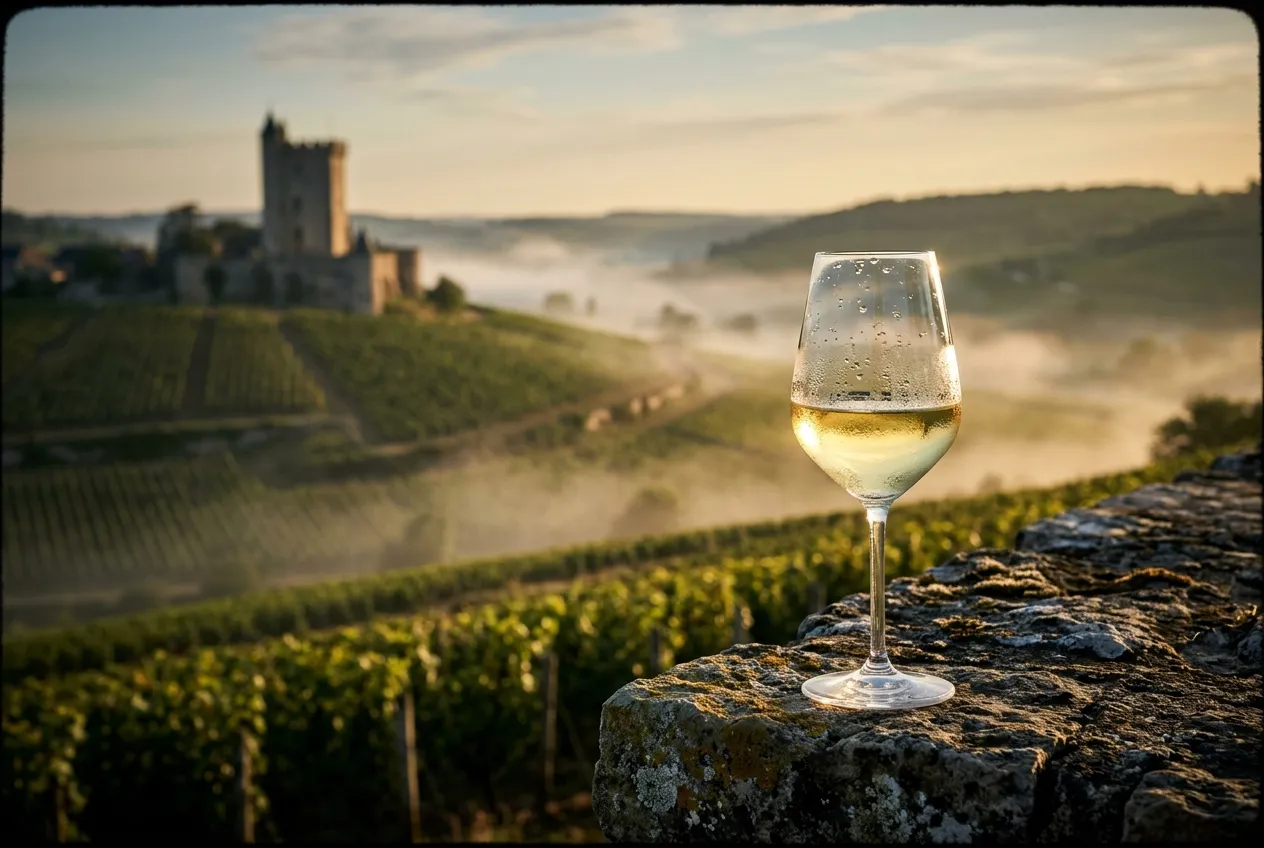
Sancerre is a French Loire appellation planted mainly to Sauvignon Blanc — a roughly 900-year wine region, not a new 2026 invention, even as searches jumped about 5,000%.
Sancerre, a French white wine from the upper Loire Valley, saw search interest rise about 5,000% in summer 2026, per Google Summergeist. The breakout is new attention on an old wine: a Sauvignon Blanc grown on limestone and flint soils in an appellation farmed for roughly nine centuries.
What's happening
Sancerre is the breakout white wine of summer 2026. Google's first Summergeist report recorded a roughly 5,000% jump in Sancerre searches, with "Sancerre terres blanches" and "where is Sancerre" also spiking [1]. The shift is a warm-weather white-wine move: light, acidic, food-friendly wines pulling ahead of heavier reds, and a new audience learning to pronounce and place the region.
The history behind it
Sancerre is a wine appellation on the upper Loire in central France, planted mainly to Sauvignon Blanc for whites and Pinot Noir for reds and rosés [2]. Its vineyards sit on chalky limestone and flint — the "terres blanches" (white clay-limestone soils) and "caillottes" (stony) terroirs that the 2026 searches are suddenly naming. Monastic and medieval viticulture built the region, and Sancerre's modern reputation as a crisp Sauvignon Blanc is a 20th-century refinement of a much older Loire wine culture [3].
Why it matters
The food-history value is that a 2026 search breakout is a 900-year-old wine region meeting a new audience. Sancerre is not a new drink; it is an old Loire appellation whose soil names are now trending. For the full history of wine, see the article below.
How to try it
Sancerre is widely available as a dry white wine, usually at a mid-price point. Serve it cold, around 8 to 10 degrees Celsius, and drink it young, because it is not a wine built for aging. It pairs the way the Loire intended: with goat cheese, oysters, grilled fish, and herb-driven dishes. For the trendier side of the breakout, ask for a Sancerre rouge, the Pinot Noir version, served lightly chilled as a summer-red alternative. For the full background on how wine regions like this developed, read the history of wine below.
📖 Read the full history
Trend Desk notes are timely. The durable history behind each trend lives in these articles and collections.
Comments
Community comments are coming soon. Check back later to join the discussion!