💡 Key Takeaways
- The lemon is not a naturally occurring fruit; it is an ancient, human-made hybrid of the bitter orange and the citron, originating in Northeast India or Myanmar.
- Lemons revolutionized global maritime exploration when Dr. James Lind proved in 1747 that citrus cured scurvy, a disease that previously killed millions of sailors.
- The Mafia in Sicily actually originated in the 19th century as private protection rackets guarding the incredibly lucrative, high-value lemon groves from thieves.
Where did lemon originate?
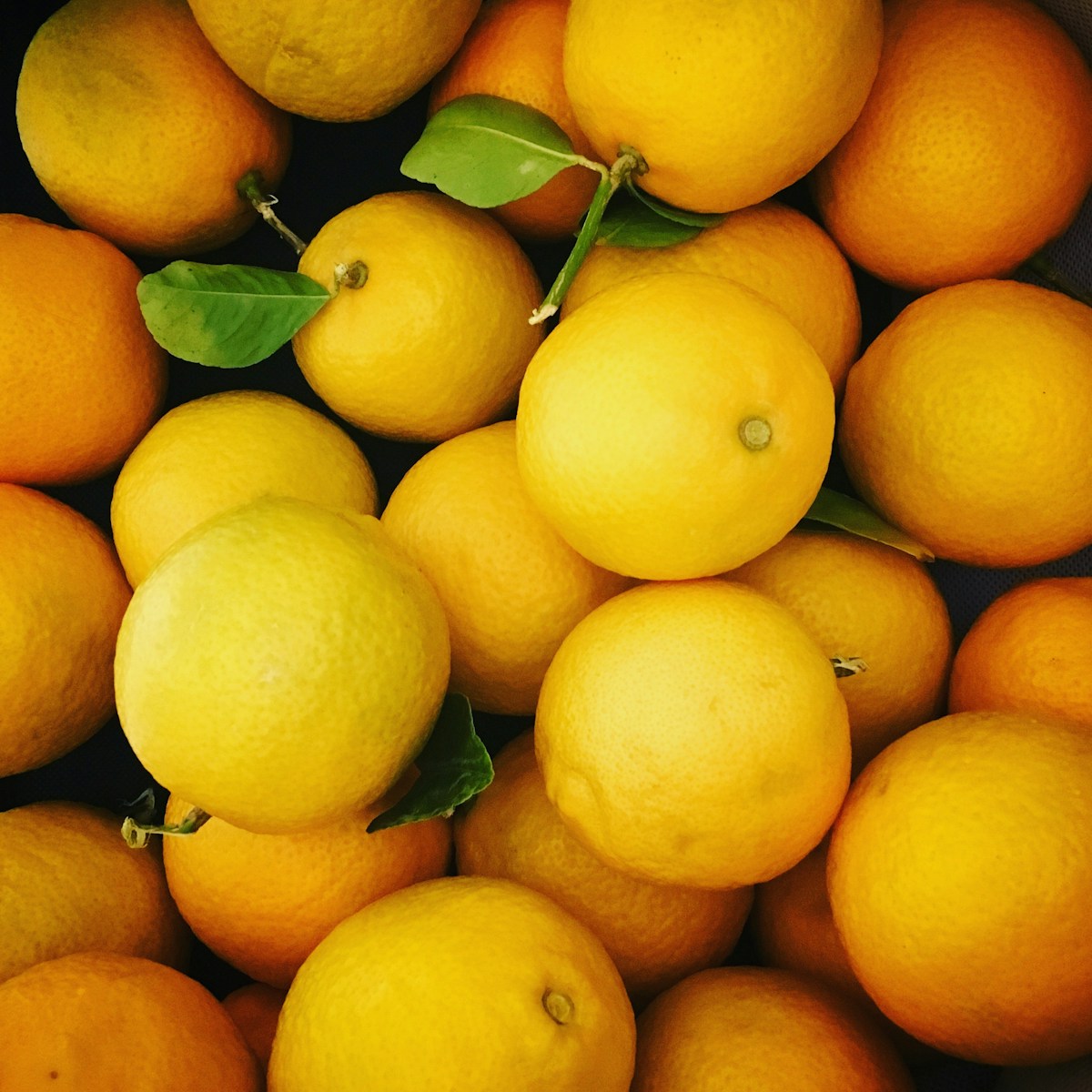
In the world of botany, the lemon is a genetic freak—a highly successful, human-engineered hybrid. Genetic studies have proven that the lemon (*Citrus limon*) does not exist in the wild. It is a cross between two ancient, naturally occurring citrus fruits: the bitter orange (itself a hybrid of pomelo and mandarin) and the citron. This hybridization occurred somewhere in the foothills of the Himalayas, likely in Northeast India or Northern Myanmar, around 700 CE [1].
Initially, the lemon was not valued as a food. Its extreme acidity made it virtually inedible raw. Instead, early civilizations in the Middle East and the Islamic empires valued the lemon for its antiseptic properties, its fragrance, and its use as a medicinal tonic. Islamic traders carried the fruit westward along the trade routes, introducing it to the Mediterranean, specifically Sicily and Andalusia (Spain), where the warm, sunny climate proved absolutely perfect for its cultivation [2].
How did lemon evolve over time?
The lemon's true global impact was not culinary, but medical. During the Age of Discovery (15th–18th centuries), European navies began undertaking massive ocean voyages. Ships were at sea for months without fresh food. The result was scurvy, a horrifying disease caused by Vitamin C deficiency, which caused teeth to fall out, old wounds to reopen, and ultimately, death. Scurvy killed more sailors than storms, shipwrecks, and naval battles combined [3].
In 1747, a Scottish naval surgeon named James Lind conducted what is considered the world's first clinical trial. He divided scorbutic sailors into groups and gave them different treatments (cider, vinegar, seawater, and lemons). The sailors given lemons recovered miraculously within days. However, because Vitamin C had not yet been discovered, Lind didn't know *why* it worked. It took the British Admiralty another 40 years to mandate a daily ration of lemon juice for all sailors, a strategic advantage that fundamentally allowed the British Empire to maintain its massive global naval supremacy [1].
Why is lemon culturally important?
The massive demand for lemons by Northern European navies in the 19th century turned the fruit into green gold. Sicily was the epicenter of global lemon production. Because the groves required heavy capital investment (irrigation systems, walls) and the fruit was highly vulnerable to theft, wealthy grove owners hired private guards to protect their assets. These guards, known as *campieri*, quickly realized they held the real power. They began extorting the owners, essentially running protection rackets. This system of extortion in the citrus groves is widely acknowledged by historians as the direct origin of the Sicilian Mafia (Cosa Nostra) [2].
Culinary-wise, the lemon became the great brightener of global cuisine. Before the mass availability of the lemon, Europeans relied almost entirely on vinegar or verjus (the juice of unripe grapes) for acidity. The lemon offered a cleaner, more floral acidity that perfectly cut through the heavy fats of meat and the briny, fishy notes of seafood. It became an essential component of the emerging cocktail culture in the 19th century, serving as the sour backbone for punches, sours, and fizzes [1].
Modern Renaissance
Today, the lemon is arguably the most indispensable culinary ingredient after salt. It acts as a flavor enhancer; the citric acid stimulates the salivary glands, making other flavors taste more pronounced. Modern chefs utilize every part of the fruit: the acidic juice for marinades and dressings, the essential oil-rich zest for baking and finishing dishes, and the bitter pith for making pectin-rich jams [2].
While industrial farming now produces millions of tons of massive, thick-skinned lemons globally, there is a fierce appreciation for ancient, regional varieties. In Southern Italy, the massive, deeply fragrant Sorrento and Amalfi lemons are grown on steep, terraced cliffs specifically to produce the liqueur Limoncello. The Meyer lemon (a cross between a regular lemon and a mandarin orange), discovered in China in 1908, has become a darling of modern pastry chefs for its sweeter, highly floral profile. From curing scurvy to birthing the Mafia, the lemon's impact on human history is as sharp and profound as its flavor [3].
In the news
Recent 2026 food-culture notes that reference this article.
Historical Timeline
Early Islamic texts document the spread of the lemon from India to the Middle East
Columbus brings lemon seeds to the Americas, planting them in Hispaniola
Dr. James Lind conducts the first clinical trial, proving lemons cure scurvy
The booming lemon trade in Sicily leads to the formation of the Sicilian Mafia
The US Navy begins issuing a daily lemon/lime juice ration to all sailors
Evidence Explorer
Review the Source Trail
Inspect the article sources, scoped review credits, and copyable citation details without leaving the page.
Sources Listed
Comments
Community comments are coming soon. Check back later to join the discussion!