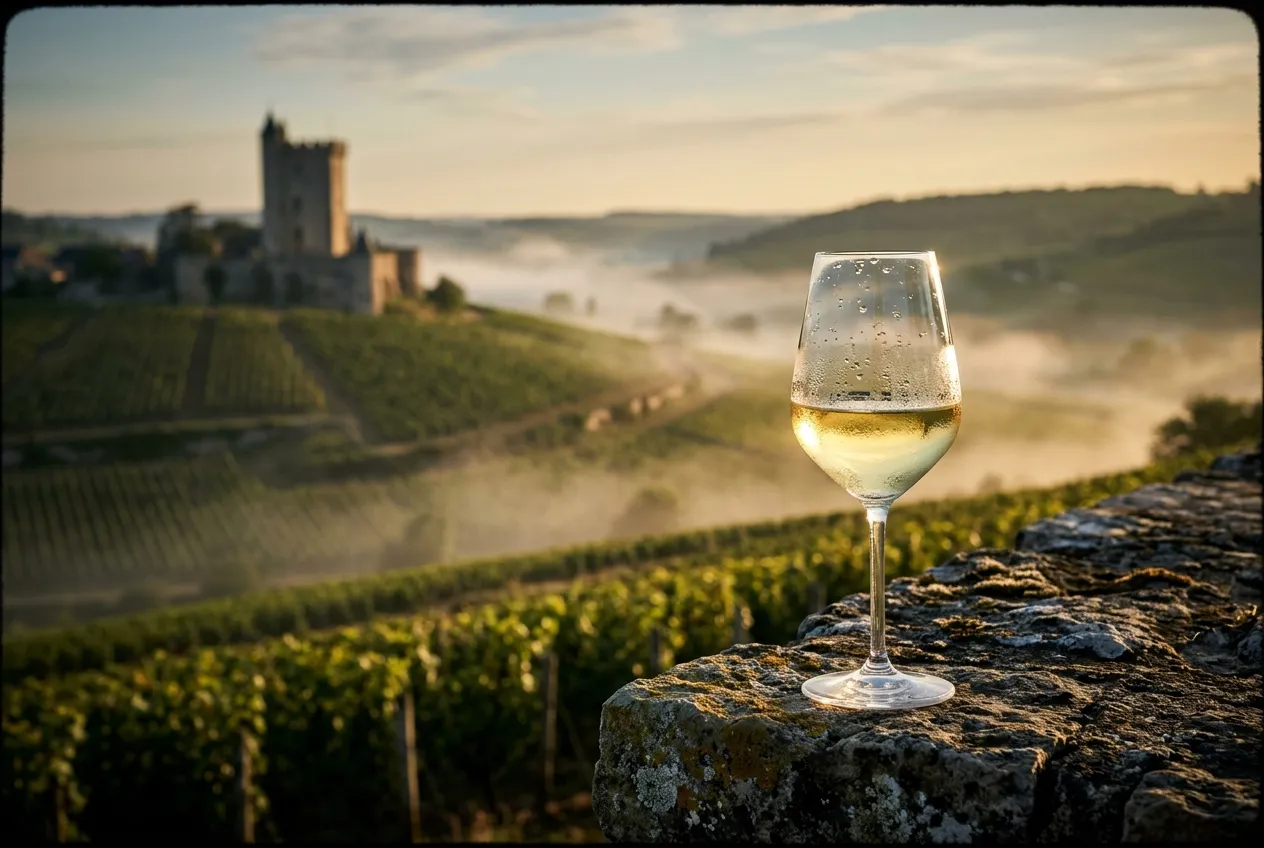
Sancerre Rosé and Terres Blanches Are the Next Loire Search Spike
After Sancerre blanc broke out, drinkers are searching Sancerre rosé and "terres blanches" — Pinot Noir pink wine and the white limestone soils behind the appellation.
After Sancerre blanc surged in 2026 searches, drinkers are asking for Sancerre rosé and "terres blanches." Sancerre rosé is typically Pinot Noir from the same upper Loire appellation; terres blanches names the white clay-limestone soils that shape many of the region's wines. The spike is deeper place literacy on a roughly 900-year-old wine region.
What's happening
Google Summergeist and drinks press put Sancerre at the center of summer 2026 white-wine searches; follow-on queries for "Sancerre terres blanches" and pink Sancerre show drinkers moving from the brand name into soil and color [1][2]. Sancerre rosé is not a separate fad region — it is the appellation's Pinot Noir, vinified as a dry, pale pink wine for warm weather.
The search path is classic: discover the white, then ask what else the place makes.
The history behind it
Sancerre sits on the upper Loire with vineyards on chalky limestone and flint. "Terres blanches" refers to white clay-limestone soils; "caillottes" to stonier ground — terroir words that 2026 searches suddenly treat as menu vocabulary [3]. Whites are mainly Sauvignon Blanc; reds and rosés are Pinot Noir. Monastic and medieval viticulture built the region long before AOC rules fixed the modern map.
Rosé here is Loire Pinot, not a Provence marketing clone.
Why it matters
The food-history value is that a breakout appellation teaches soil names next. Terres blanches and Sancerre rosé are literacy upgrades on the same old Loire story, not new inventions. For the full history of wine, see the article below.
How to try it
Ask a wine shop for a dry Sancerre rosé and serve it cold, around 8 to 10 degrees Celsius, with goat cheese, grilled fish, or summer vegetables. If the shelf talker mentions terres blanches, expect a Sauvignon Blanc (or sometimes a Pinot) shaped by those white limestone soils — still Sancerre, just more specific. Drink young; these are not cellar projects. For how Loire wine culture developed, read the history of wine below.
📖 Read the full history
Trend Desk notes are timely. The durable history behind each trend lives in these articles and collections.
Comments
Community comments are coming soon. Check back later to join the discussion!