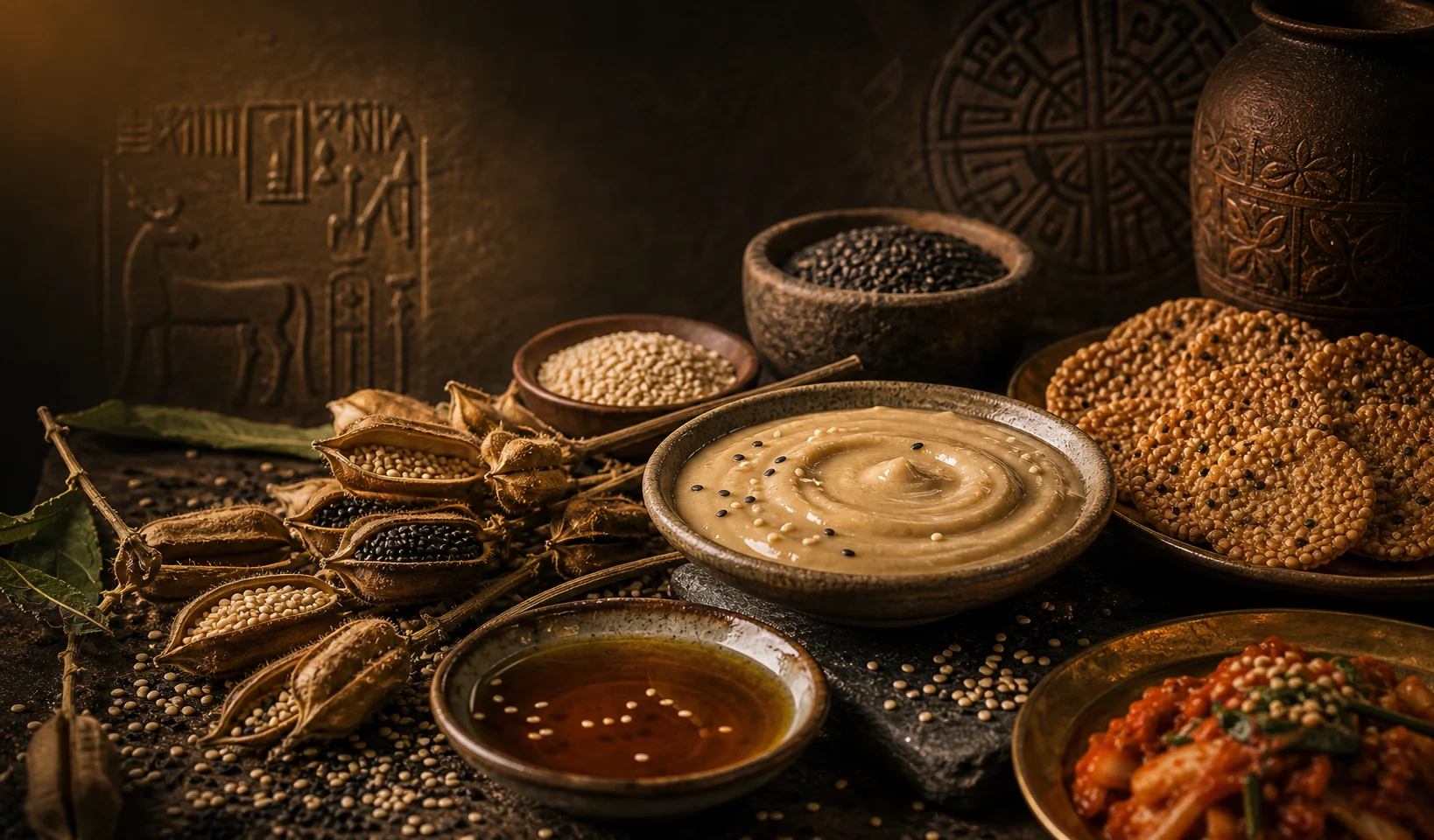
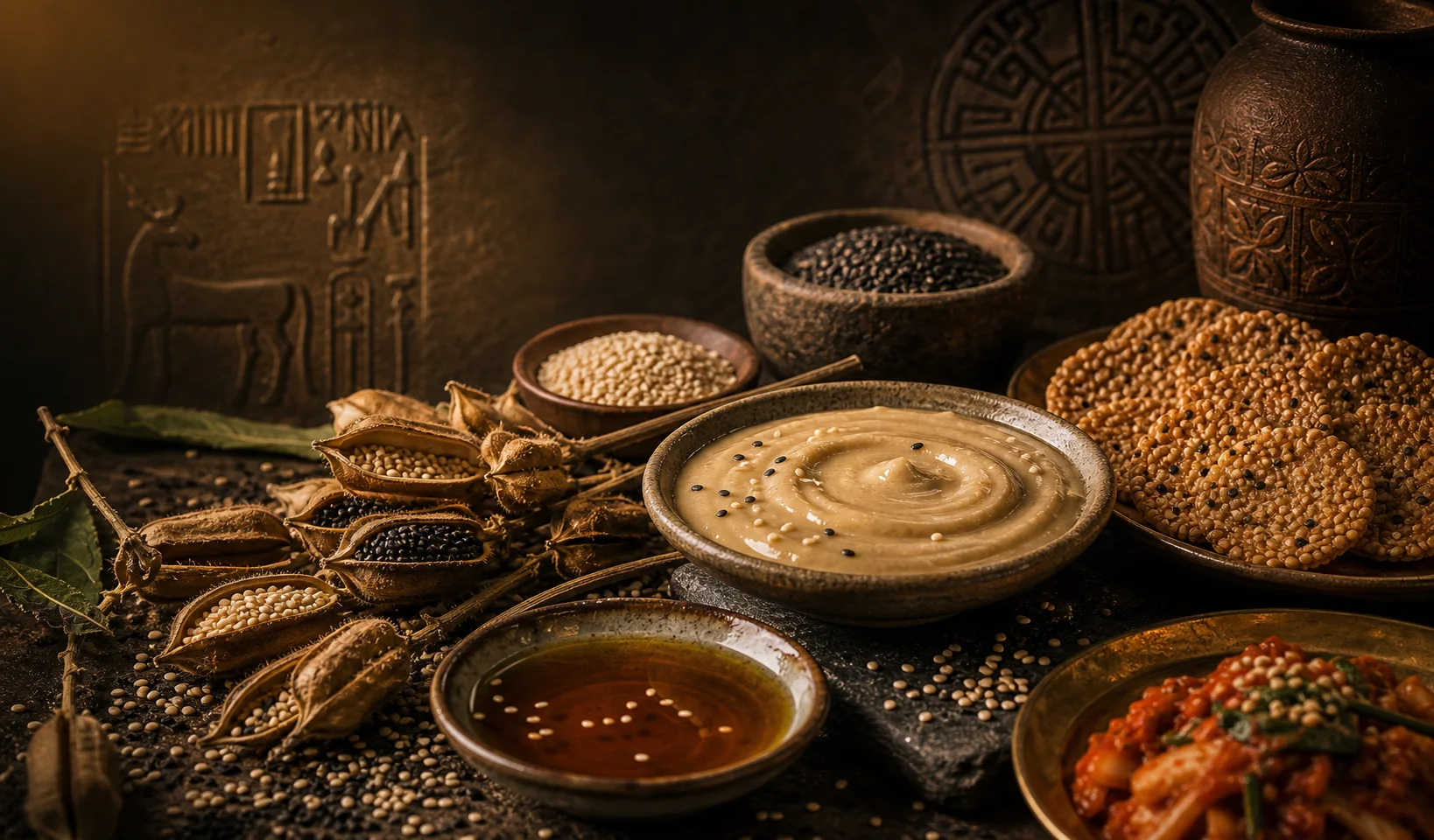
What Is Black Sesame? The Ancient Ingredient Behind 2026's Breakout Desserts
Black sesame is the dark-hulled form of one of humanity's oldest oilseeds — a Chinese and Japanese dessert and medicine ingredient now trending on Google.
Black sesame is the dark-hulled, unhulled form of sesame, one of humanity's oldest domesticated oilseeds. Used for roughly 1,000 years in Chinese and Japanese medicine, pastes and desserts — sesame balls, tangyuan, black sesame soup — it is the same seed as white sesame, left with its hull and a deeper, nuttier flavor.
What's happening
As black sesame ice cream and cookies break out on Google in 2026, a second wave of searches is asking the basic question: "what is black sesame?" [1]. The ingredient is moving from Asian grocers and bakeries into mainstream Western recipes, and the searches reflect a new audience meeting it for the first time.
The history behind it
Black and white sesame are the same plant — Sesamum indicum — but black sesame is left with its hull, giving it a darker color, a crunchier texture and a stronger, earthier flavor. Sesame was domesticated in Africa and the Indian subcontinent and spread through ancient trade into China, where black sesame became a medicine and dessert ingredient [2]. Chinese and Japanese kitchens use it ground into paste for tangyuan and black sesame soup, and whole in sesame balls (jin deui) [3].
Why it matters
The food-history value is that "what is black sesame" is a 1,000-year-old ingredient being introduced to a new audience in 2026. The seed is not new; the Western dessert format is. For the full history of sesame, see the article below.
How to try it
Find black sesame at Asian grocers, sold as whole seeds, paste, or powder. Toasting is usually unnecessary, because it is already strongly flavored. Start with a familiar format: black sesame cookies, a swirl in ice cream, or tangyuan, the glutinous rice balls with a black sesame filling. A little goes a long way; the flavor is intense and the color is dramatic. Store seeds in an airtight container away from light, since their oil content makes them go rancid faster than white sesame. For the full history, read below.
📖 Read the full history
Trend Desk notes are timely. The durable history behind each trend lives in these articles and collections.
Comments
Community comments are coming soon. Check back later to join the discussion!