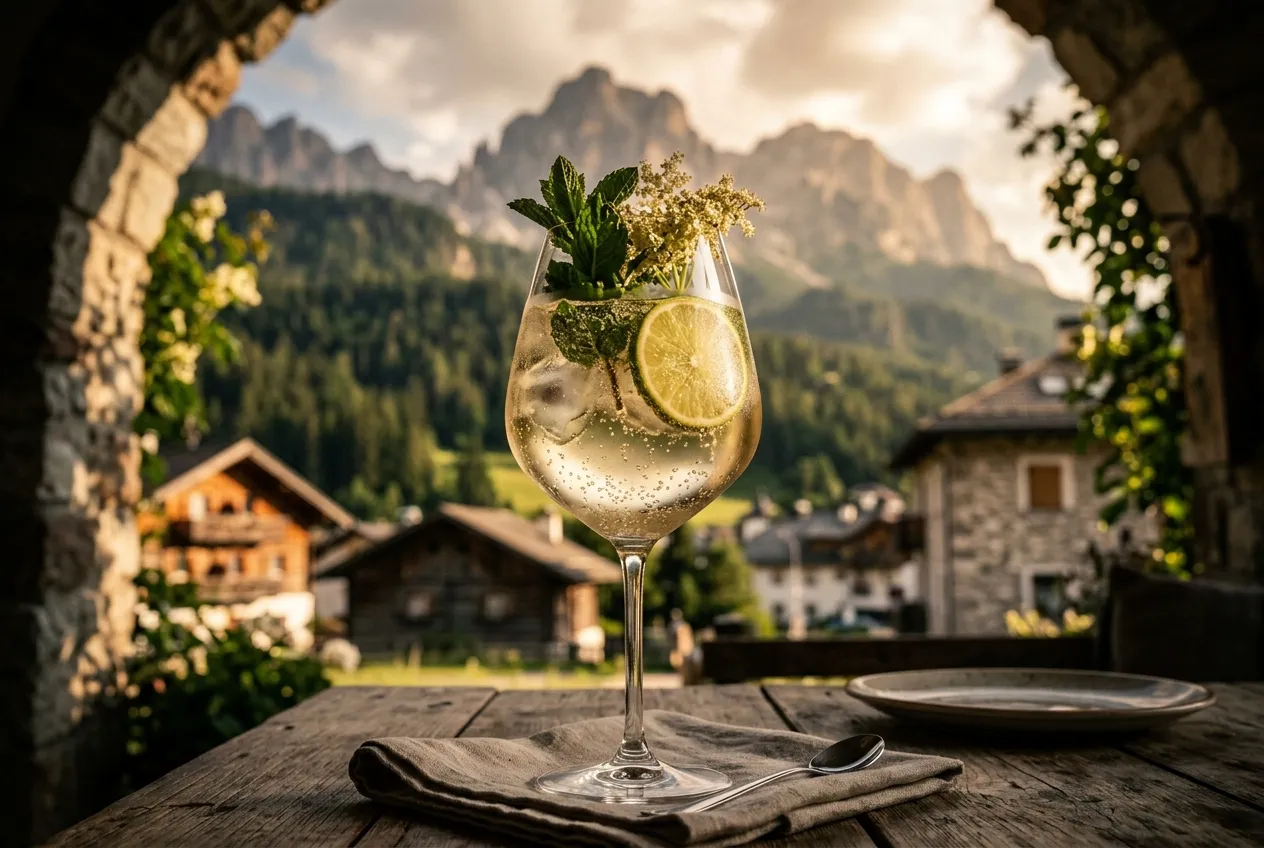
What Is Elderflower? The Hugo Spritz Ingredient With Deep European Roots
Elderflower — the bloom of the elder tree — is the floral heart of the Hugo spritz, used for centuries in European cordials, fritters, and country wines.
Elderflower is the creamy-white bloom of the elder tree (Sambucus nigra), and it is the flavor that makes a Hugo spritz floral instead of bitter. European cooks have long turned the flowers into cordials, fritters, and country wines; commercial elderflower liqueurs and syrups now carry that taste into the 2026 spritz boom.
What's happening
As the Hugo spritz surged in summer 2026, so did the basic question behind it: what is elderflower? Google Summergeist's Hugo breakout pulled a wave of ingredient searches for elderflower syrup, liqueur, and cordial — the floral sweetener that replaces Aperol's bitter orange in the glass [1].
Bars reach for bottled elderflower liqueur or non-alcoholic syrup; home cooks are learning that the flavor comes from a common hedgerow tree, not a tropical fruit.
The history behind it
Elder (Sambucus nigra) grows across Europe and western Asia. Its flowers have long been steeped into cordials and "country wines," fried as elderflower fritters, and used as a fragrant sweetener in northern and alpine kitchens; the dark berries are a separate food, cooked into syrups and preserves because raw elderberries can be problematic [2][3].
Commercial elderflower liqueurs — St-Germain is the best-known modern brand — distilled that hedgerow tradition into a shelf-stable cocktail ingredient. The Hugo spritz, created in South Tyrol around 2005, simply put that floral note into a prosecco spritz format.
Why it matters
The food-history value is that a 2026 cocktail keyword is a hedgerow plant with centuries of European kitchen use. Elderflower did not begin in a bottle behind a bar; the bottle is a recent carrier for an old floral foodway. For the wine and spritz context, see the article below.
How to try it
Buy elderflower syrup (often non-alcoholic) or elderflower liqueur. For a Hugo, pour one part elderflower over ice with three parts prosecco, two parts soda, mint, and lime. For a non-alcoholic version, use the syrup with sparkling water and mint alone. Fresh elderflowers can be steeped into a simple cordial with sugar and lemon, but identify the plant carefully and avoid confusing it with toxic lookalikes; when in doubt, use a commercial syrup. Elderflower tastes musky-floral and honeyed, not citrusy. For the wine history around the spritz, read below.
📖 Read the full history
Trend Desk notes are timely. The durable history behind each trend lives in these articles and collections.
Comments
Community comments are coming soon. Check back later to join the discussion!