💡 Key Takeaways
- Beer may be older than bread — and may have helped inspire agriculture itself.
- In ancient Egypt, beer was an everyday staple consumed by all social classes.
Where did beer originate?
Beer may be older than bread — and may have helped inspire agriculture itself. Some archaeologists argue that the desire for a reliable grain supply to brew beer was as important as bread in motivating the shift from nomadic life to farming. Evidence of fermented grain beverages dates to at least 7000 BCE in China, and Sumerian civilization (4000-2000 BCE) in Mesopotamia left extensive records of beer production [1].
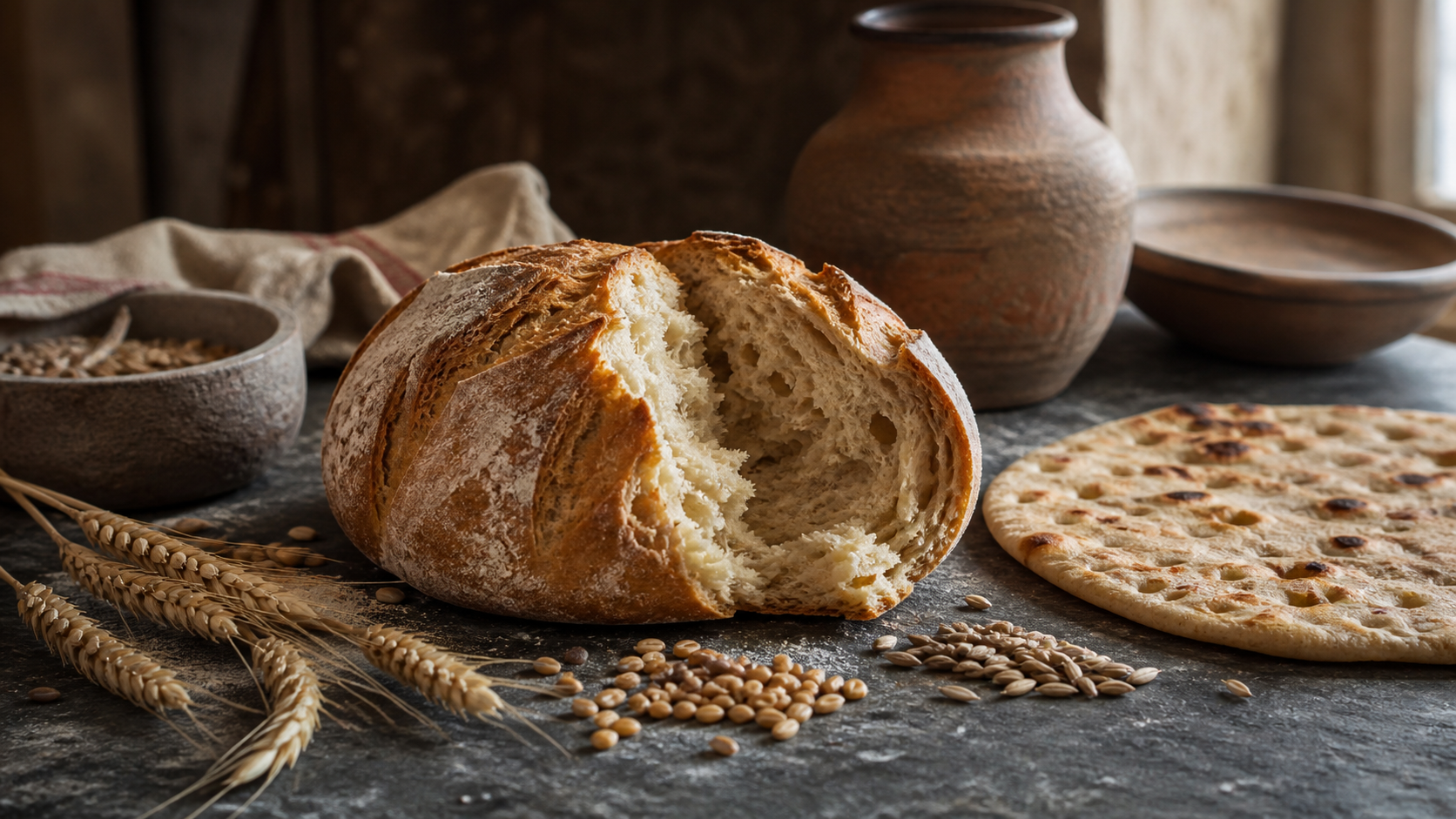
The Sumerians had a goddess of beer — Ninkasi — and a hymn dedicated to her that doubles as a brewing recipe. Beer in ancient Mesopotamia was a thick, porridge-like drink consumed through reed straws to filter out grain husks [2]. That same grain-fermentation world helps explain why sourdough, beer barm, and old dough belong to a shared history of grain, microbes, and daily bread.
How did beer evolve over time?
In ancient Egypt, beer was an everyday staple consumed by all social classes. Workers building the pyramids received daily beer rations. Egyptian beer was flavored with dates, honey, and herbs [1].
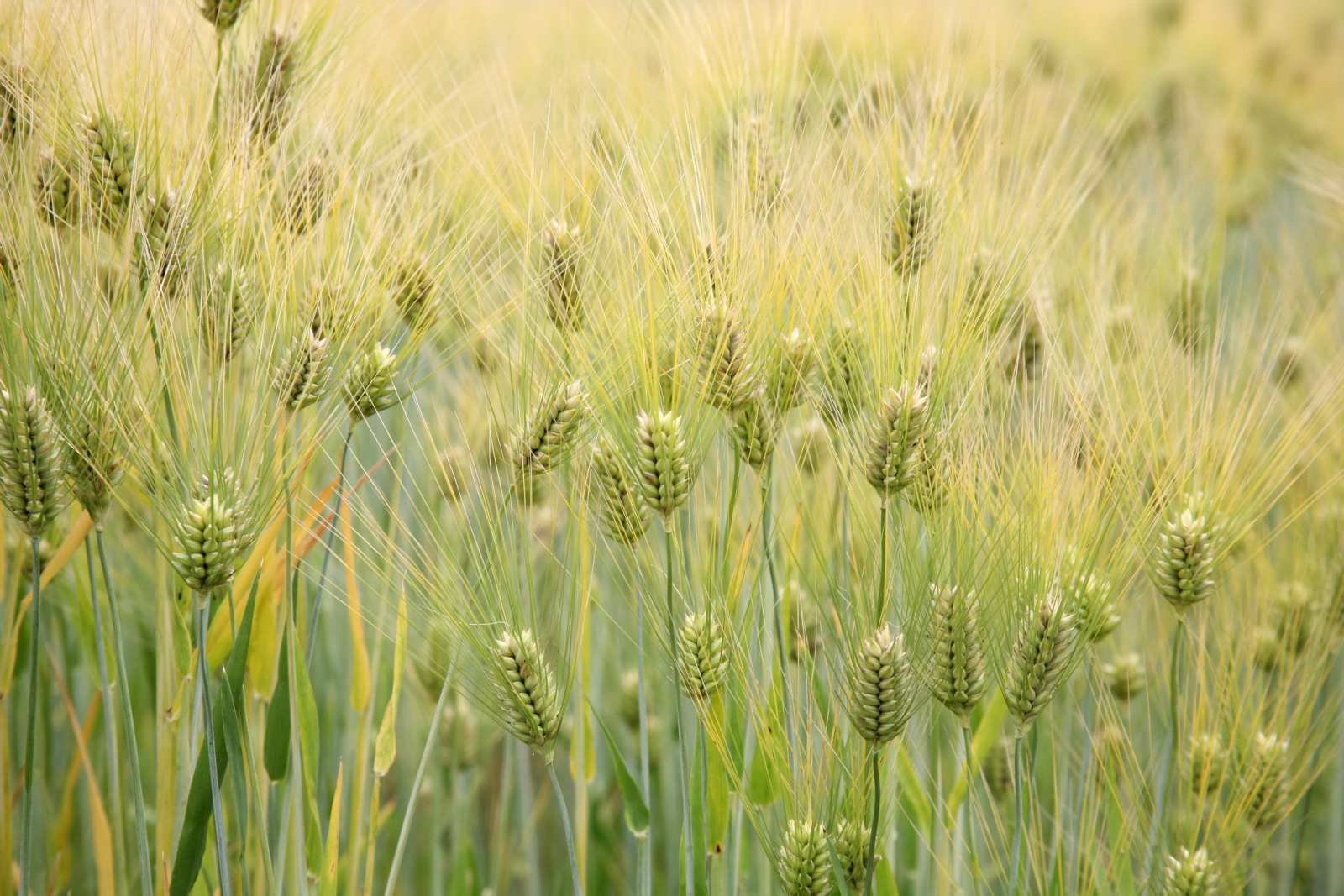
Medieval European monks became master brewers, developing techniques still used today. Belgian Trappist monasteries continue this tradition. The Reinheitsgebot of 1516 — the Bavarian Beer Purity Law — restricted ingredients to water, barley, and hops, establishing quality standards [2].
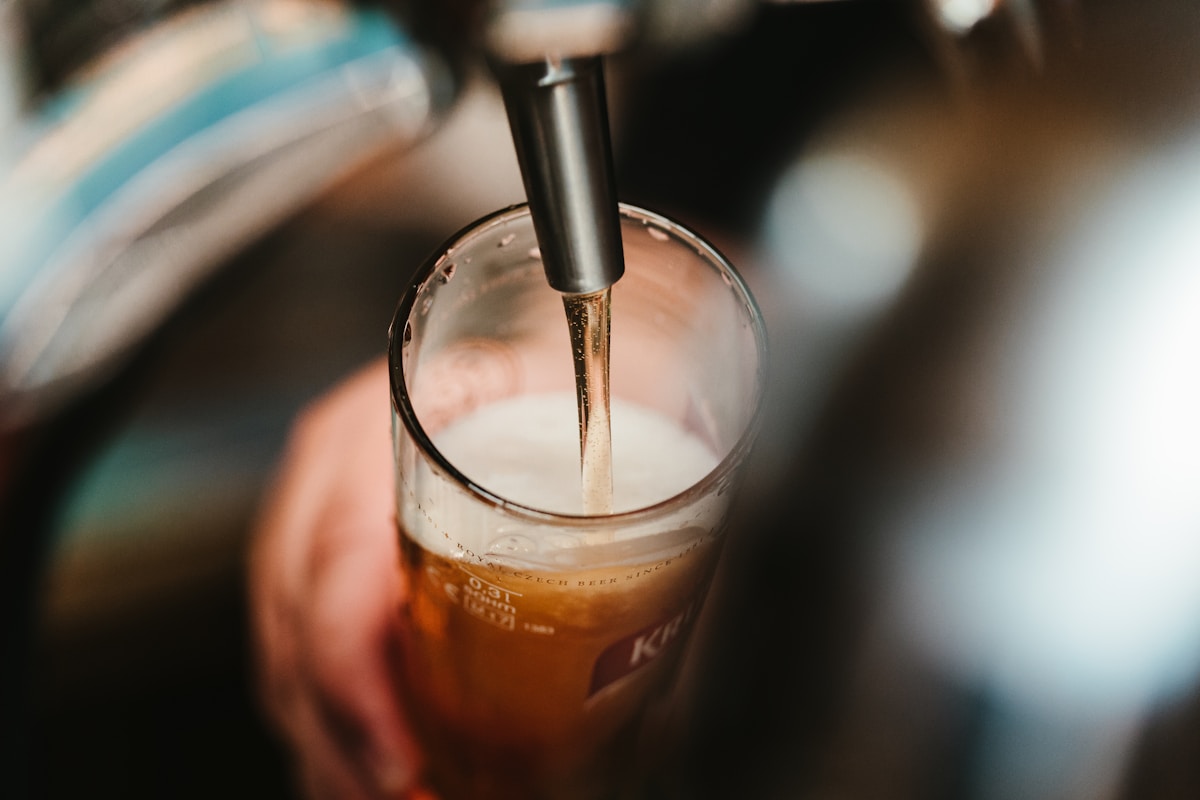
The invention of pale lager in 1842 in Plzeň (Pilsen) created the world's most popular beer style. Industrialization, refrigeration, and pasteurization transformed beer from a local craft into a global commodity. The late 20th century saw the craft beer revolution, returning to artisanal diversity.
Why is beer culturally important?
Beer is the world's third most consumed beverage after water and tea. Oktoberfest, St. Patrick's Day, and countless festivals celebrate it. The craft beer movement has created a culture of experimentation with styles, flavors, and techniques that echoes the artisanal diversity of centuries past.
Today the global beer market exceeds $600 billion. From IPAs to stouts, sours to lagers, beer continues to evolve while honoring traditions that stretch back to the very dawn of civilization.
Historical Timeline
Earliest evidence of fermented grain beverages in China
Sumerian poem "Hymn to Ninkasi" describes beer recipe
Code of Hammurabi regulates beer prices and tavern keepers
Bavarian Reinheitsgebot (Beer Purity Law) enacted
Pilsner lager likely developed in Plzeň, Czech Republic
Evidence Explorer
Review the Source Trail
Inspect the article sources, scoped review credits, and copyable citation details without leaving the page.
Reviewed for Stated Scope
Sources Listed
Comments
Community comments are coming soon. Check back later to join the discussion!