💡 Key Takeaways
- Genetic studies published in Science (2002) confirmed that all modern maize descends from a single domestication of the wild grass teosinte (Zea mays ssp. parviglumis) in the Balsas River valley of Mexico around 9,000 years ago.
- Nixtamalization — soaking maize in alkaline lime water — was invented by Mesoamerican peoples around 1500 BCE and remains essential: without it, corn-dependent diets cause pellagra, a niacin-deficiency disease.
- Maize is now the world's most produced grain at over 1.2 billion tonnes annually, surpassing both rice and wheat, though only about 12% is eaten directly by humans.
Where did corn / maize originate?
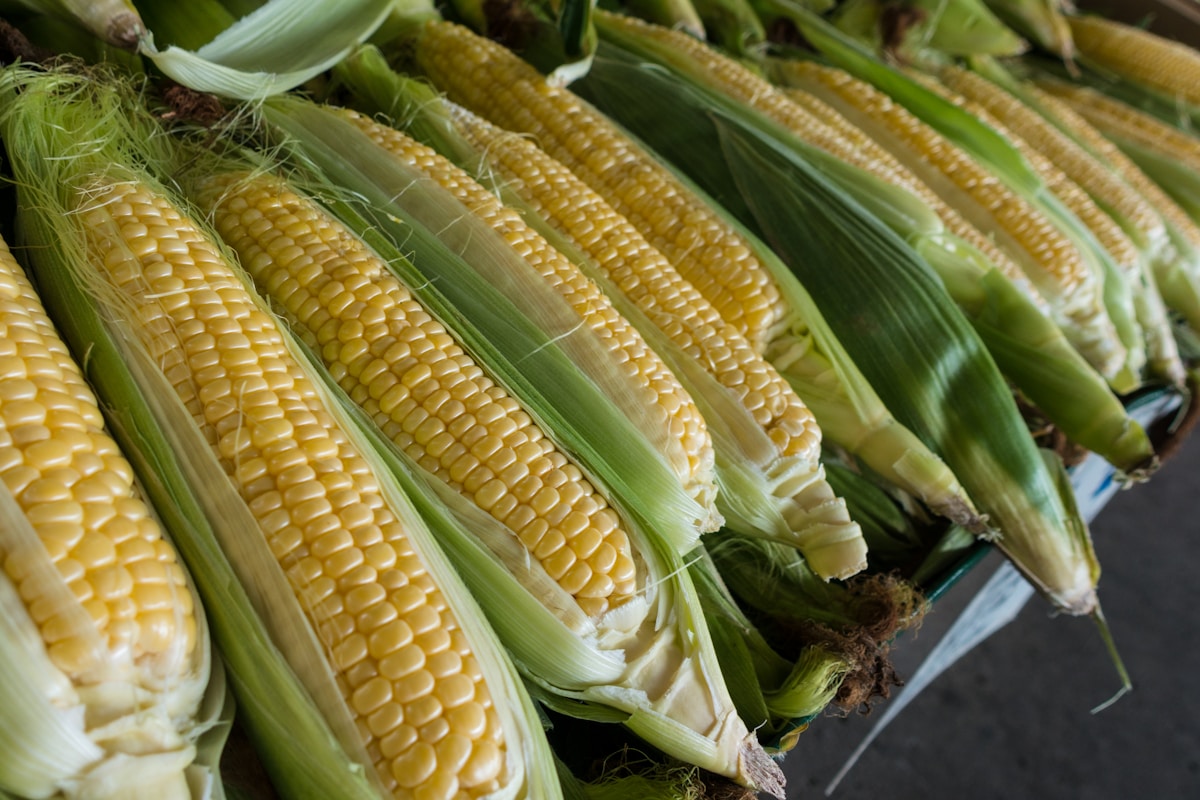
Maize is the product of what geneticist George Beadle called "the most remarkable plant breeding achievement in history." Its wild ancestor, teosinte (Zea mays ssp. parviglumis), is a scraggly grass bearing tiny ears of 5–12 rock-hard kernels — so unlike modern corn that 19th-century botanists refused to believe the two were related. DNA evidence published in Science in 2002 by Yoshihiro Matsuoka and colleagues settled the debate, tracing all domesticated maize to a single teosinte population in the Balsas River valley of southwestern Mexico, approximately 9,000 years ago [2].
The transformation from teosinte to maize required changes in just a handful of key genes — most notably teosinte branched1 (tb1), which controls branching architecture, and teosinte glume architecture1 (tga1), which freed kernels from their stone casings. Archaeological microfossils from the Xihuatoxtla rock shelter in Guerrero state, dated to roughly 8,700 BCE, confirm the presence of early cultivated maize starch grains. By 5,500 BCE, cob fragments found in Tehuacán Valley caves show ears already growing to several centimetres — still small by modern standards, but unmistakably the product of deliberate human selection over thousands of growing seasons [1].
How did corn / maize evolve over time?
From Mexico, maize spread north and south through Indigenous trade and migration networks. By 3,500 BCE it had reached South America, where Andean farmers developed unique high-altitude varieties. It arrived in eastern North America by around 200 CE, and the great Mississippian city of Cahokia (near modern St. Louis), which peaked around 1100 CE with an estimated 20,000 residents, was built on surplus maize agriculture [3].
Columbus carried maize seeds back to Spain in 1493. The plant spread across the Old World with astonishing speed: within a century, it was growing in Italy (where it became polenta's foundation), West Africa (where it gradually displaced sorghum and millet), China (where it opened marginal hillside land to farming), and the Ottoman Empire. Portuguese traders brought it to Southeast Asia by the 1550s. Maize thrived almost everywhere because of its extraordinary adaptability — from sea-level tropics to 3,000-metre Andean plateaus [1].
Critically, however, most Old World adopters failed to learn nixtamalization — the Mesoamerican technique of cooking maize in alkaline lime water, which breaks down cell walls and releases bound niacin (vitamin B3). Without this process, populations relying heavily on untreated corn developed pellagra, a devastating deficiency disease causing dermatitis, diarrhoea, dementia, and death. Pellagra epidemics swept northern Italy in the 18th century, the American South in the early 20th century (killing over 100,000 between 1906 and 1940), and parts of Africa well into the modern era [2].
Why is corn / maize culturally important?
For Mesoamerican civilizations, maize was not merely food — it was the substance of creation. The Popol Vuh, the K'iche' Maya creation epic, describes the gods fashioning the first successful humans from white and yellow maize dough after failed attempts with mud and wood. Aztec mythology featured Centeotl, the maize god, and elaborate ceremonies marked planting and harvest seasons. Corn pollen remains sacred in Navajo (Diné) blessing rituals, and the Hopi maintain centuries-old traditions of planting specific corn colours in particular directions [3].
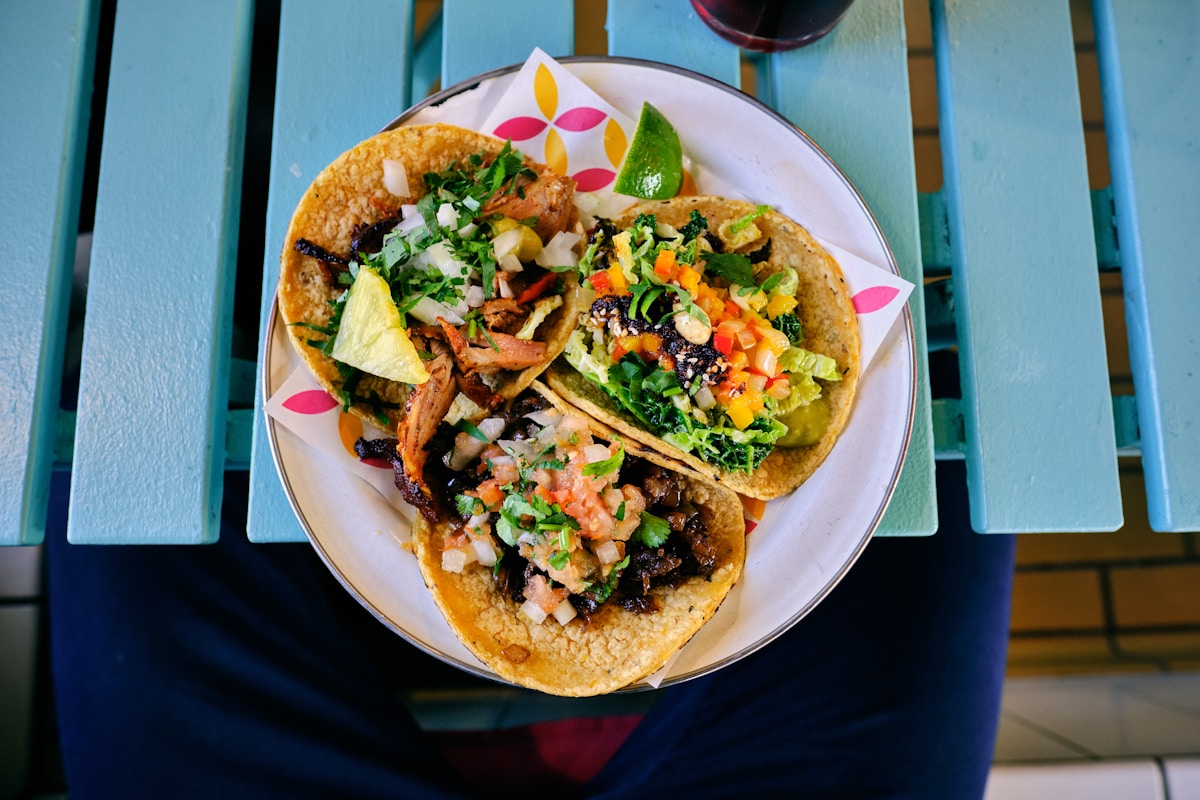
In North American settler culture, corn became equally central but in different ways. Corn whiskey (later bourbon) fuelled frontier economies; the phrase "corn belt" defined America's agricultural heartland. Cornbread, grits, hominy, and succotash became foundational Southern and Appalachian foods. Across Latin America, the tortilla remains a daily staple: Mexico alone consumes an estimated 12 million tonnes of masa (nixtamalized corn dough) per year [1].
In Africa, maize adapted into regional staples — ugali in East Africa, sadza in Zimbabwe, pap in South Africa, fufu in West Africa — becoming so embedded that many communities today consider it a native grain. This cultural adoption is among the most complete food transfers in history: a New World crop now feeds hundreds of millions across a continent it reached only 500 years ago [2].
Modern Renaissance
The hybrid corn revolution, launched in the 1920s by Henry A. Wallace (later U.S. Vice President) through his Hi-Bred Corn Company (now Corteva), increased American yields from roughly 1.5 tonnes per hectare in 1930 to over 11 tonnes today. Combined with mechanisation and nitrogen fertiliser, this made corn the world's most produced grain — over 1.2 billion tonnes annually — surpassing both rice and wheat. The United States alone grows about one-third of the global supply [1].
Yet the vast majority of modern corn never reaches a dinner plate directly. Approximately 40% of U.S. corn becomes ethanol fuel, 36% feeds livestock, and much of the rest is processed into high-fructose corn syrup, cornstarch, corn oil, and thousands of industrial products. Only about 12% of global maize is consumed as food by humans — a striking inversion of the grain's original purpose [2].
A growing heritage movement pushes back against industrial monoculture. In Oaxaca, Mexico, Indigenous farmers cultivate dozens of native landrace varieties — blue, red, purple, and multicoloured — that contain higher protein, antioxidants, and flavour complexity than commodity yellow dent corn. Chefs like Enrique Olvera (Pujol, Mexico City) have built world-renowned menus around heirloom maize and traditional nixtamalization. Meanwhile, the crop's wild ancestor teosinte, once nearly extinct, is now protected as a critical genetic resource: its genes for drought and pest resistance may prove essential as climate change disrupts conventional corn agriculture across the planet [3].
In the news
Recent 2026 food-culture notes that reference this article.
Historical Timeline
Teosinte domesticated into early maize in Mexico's Balsas River valley
Maize reaches South America; Andean farmers develop distinct varieties
Nixtamalization process developed in Mesoamerica, unlocking niacin
Columbus brings maize seeds to Spain after his first voyage
Henry A. Wallace founds Hi-Bred Corn Company, launching commercial hybrid seed industry
Evidence Explorer
Review the Source Trail
Inspect the article sources, scoped review credits, and copyable citation details without leaving the page.
Reviewed for Stated Scope
Sources Listed
Comments
Community comments are coming soon. Check back later to join the discussion!