💡 Key Takeaways
- Butter was likely discovered by accident when nomadic people carried milk in animal-skin pouches attached to horses; the constant agitation naturally churned the milk into butter.
- In ancient Ireland and Scotland, people buried wooden firkins of butter in peat bogs to preserve it; archaeologists have found edible "bog butter" that is thousands of years old.
- The modern French croissant, defined by its flaky, buttery layers (lamination), was not possible until the 19th century when butter became cheap and uniform enough for wide culinary use.
Where did butter originate?
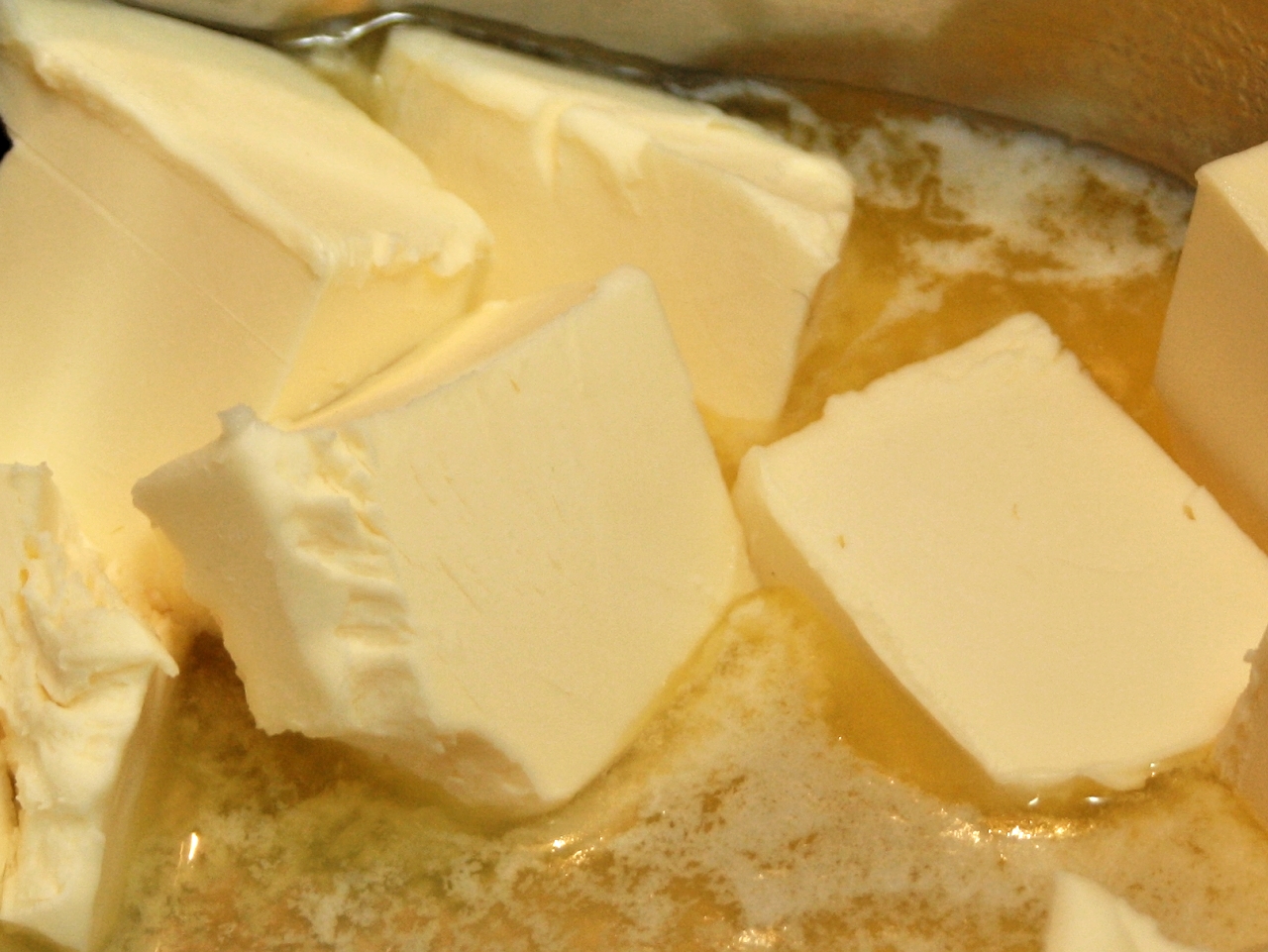
The creation of butter was an inevitable, albeit accidental, consequence of animal domestication. Around 8,000 BCE in the Near East and parts of Africa, nomadic herders began milking sheep and goats. To transport the milk, they poured it into pouches made from animal stomachs or skins. The rhythmic, jolting motion of walking or riding horseback provided the mechanical agitation necessary to break the delicate membranes surrounding milk fat globules, causing them to clump together and separate from the liquid buttermilk. This magical transformation produced a semi-solid fat that was calorie-dense and far more stable than fresh milk [1].
Early butter, especially in warmer climates like the Middle East and India, spoiled quickly. To solve this, ancient peoples learned to heat the butter to evaporate the remaining water and separate the milk solids, creating clarified butter or "ghee." Ghee could last for months without refrigeration and became a cornerstone of Indian cuisine and Hindu religious rituals, where it is considered a sacred symbol of purity [2].
How did butter evolve over time?
While ghee dominated the hot climates of South Asia, true, solid butter found its home in the cool, damp climates of Northern Europe. The Greeks and Romans generally despised butter, considering it the crude food of "barbarians" (Northern tribes like the Celts and Germans) who lacked olive oil. Pliny the Elder dismissively noted that it was "the most delicate of food among barbarous nations" [1].
However, in places like Scandinavia, Ireland, and Brittany, butter became the undisputed king of fats. In medieval Ireland, butter was a primary measure of wealth, used to pay taxes and rent. Because winter foraging was scarce, the Irish developed the practice of burying wooden barrels (firkins) of butter in peat bogs. The cool, anaerobic, highly acidic environment of the bog preserved the butter perfectly, sometimes for millennia. Archaeologists routinely unearth massive lumps of "bog butter" dating back to the Iron Age, which, astonishingly, are still theoretically edible [3].
Why is butter culturally important?
The cultural divide between "butter Europe" (the north) and "olive oil Europe" (the south) defined Western gastronomy. In France, the northern regions of Normandy and Brittany became world-renowned for their rich, cultured butter, characterized by a slightly tangy flavor derived from natural bacterial fermentation before churning. This northern European butter became the foundational element of classical French cuisine, essential for the mother sauces (like Hollandaise), the creation of flaky laminated doughs (like puff pastry and croissants), and the basic technique of finishing a sauce with a pat of cold butter (monter au beurre) [1].
Beyond Europe, butter took unique forms. High in the Himalayas, the people of Tibet and Bhutan rely heavily on yak butter. Because the high altitude demands immense caloric intake, yak butter is churned into black tea with salt, creating po cha (butter tea), a deeply warming, soup-like beverage that is central to Tibetan daily life and hospitality [2].
In religious terms, the Catholic Church historically banned the consumption of animal fats, including butter, during Lent. Wealthy Northern Europeans, lacking olive oil, found cooking with oil or whale blubber intolerable. They frequently paid the Church for "butter dispensations." The "Butter Tower" (Tour de Beurre) of the Rouen Cathedral in France was famously financed entirely by these dispensations sold to wealthy citizens who wished to eat butter during Lent [3].
Modern Renaissance
The industrialization of butter began in the late 19th century. In 1878, Swedish engineer Gustaf de Laval invented the continuous centrifugal cream separator, which extracted cream from milk instantly, bypassing the hours needed for gravity separation. Shortly after, the continuous churn was invented, transforming butter-making from a labor-intensive farmhouse chore into a massive factory operation. This standardization made butter cheap and uniform but often resulted in a blander "sweet cream" product, especially in the United States, compared to the traditional cultured butters of Europe [1].
The 20th century saw butter heavily demonized. The rise of margarine (invented in 1869 by Hippolyte Mège-Mouriès) and later, concerns over saturated fat and cholesterol, led to a massive decline in butter consumption as health authorities urged a switch to highly processed vegetable oils and trans-fat-laden margarines [2].
However, the 21st century has witnessed a dramatic vindication of butter. Nutritional science has shifted, largely debunking the direct link between dietary saturated fat and heart disease, while highlighting the health risks of artificial trans fats. Today, butter is experiencing a massive culinary renaissance. Consumers are turning away from highly processed substitutes and seeking out premium, artisanal, cultured butters made from the milk of grass-fed cows (like the famous Beurre d'Échiré), proving that humanity's 10,000-year love affair with churned cream is stronger than ever [3].
In the news
Recent 2026 food-culture notes that reference this article.
- Jul 3, 2026The Edible Butter Candle Goes Viral — and the Butter Behind It Is 8,000 Years of History→
- Jul 2, 2026Beef Tallow Is Up 106% in 2026 — and It Is Riding 1,000 Years of Rendered-Fat History→
- Jun 24, 2026The Seed-Oil Debate Is a Culture War About 1990s Cooking Oil→
- Jun 23, 2026Tallow vs Seed Oil: What the 1,000-Year History Actually Says→
- Jun 22, 2026Beef Tallow Snacks Are a $1.1B Category — Built on a Fat McDonald's Dropped in 1990→
- Jun 18, 2026Ghee Is Back in Western Pantries — and It Was Never Just "Clarified Butter"→
Historical Timeline
Butter is first produced by nomadic herders in the Near East and Africa
Sumerian cuneiform tablets detail the process of churning milk into butter
Northern Europe becomes the center of the global butter trade
Hippolyte Mège-Mouriès invents margarine as a cheap butter substitute for the French army
The invention of the continuous centrifugal cream separator revolutionizes industrial butter production
Evidence Explorer
Review the Source Trail
Inspect the article sources, scoped review credits, and copyable citation details without leaving the page.
Reviewed for Stated Scope
Sources Listed
Comments
Community comments are coming soon. Check back later to join the discussion!