💡 Key Takeaways
- The ability for human adults to digest milk (lactase persistence) is a relatively recent genetic mutation that occurred independently in Europe and Africa around 7,500 years ago.
- Before the widespread adoption of pasteurization and refrigeration in the late 19th century, urban milk was frequently contaminated and a major carrier of deadly diseases like tuberculosis.
- India is the world's largest producer and consumer of milk, primarily buffalo and cow milk, driven by the "White Revolution" cooperative movement of the 1970s.
Where did milk originate?
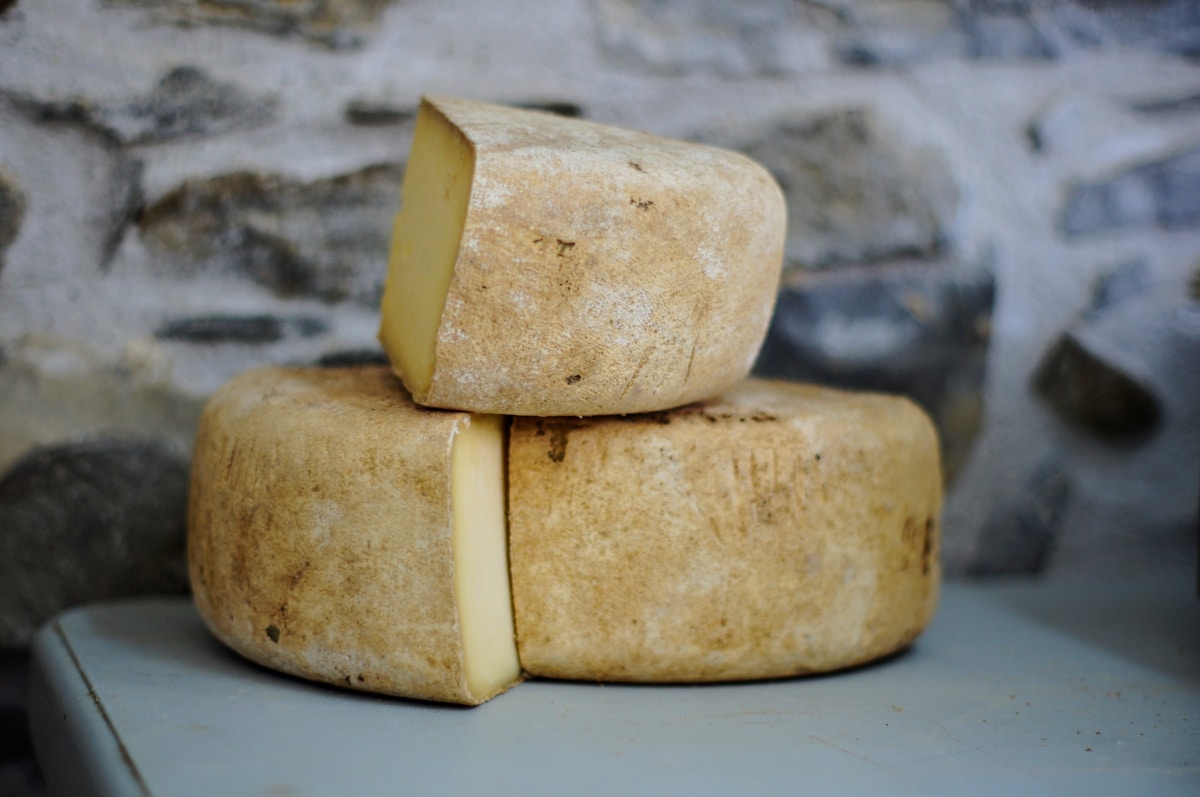
For the vast majority of human history, milk was exclusively a food for infants. Like all mammals, humans produce the enzyme lactase in infancy to digest the lactose sugar in breast milk, but naturally stop producing it after weaning. The idea of drinking the milk of another species as an adult was biologically impossible. However, around 8,000 BCE in the Fertile Crescent, humans began domesticating sheep and goats. To consume the milk without getting sick, they had to ferment it into yogurt or process it into cheese, which significantly reduces the lactose content [1].
Then, a profound evolutionary event occurred. Around 5,500 BCE, likely in Central Europe among the Funnelbeaker culture, a genetic mutation appeared that allowed adults to continue producing lactase throughout their lives. This "lactase persistence" provided a massive survival advantage: those with the mutation had access to a continuous, nutrient-dense, and uncontaminated fluid source. This mutation spread with astonishing speed through Europe, while similar, independent mutations occurred among pastoralist populations in East Africa and the Middle East, forever altering human genetics and agriculture [2].
How did milk evolve over time?
As pastoralist cultures expanded, milk-producing animals became the cornerstone of rural economies across Eurasia and Africa. The type of milk depended entirely on geography: cows in Europe and India, water buffalo in South Asia, yaks in the Himalayas, camels in the Middle East, and reindeer in the Arctic. However, until the late 19th century, drinking fresh, fluid milk was almost exclusively a rural phenomenon. Without refrigeration, milk spoiled within hours, meaning urban populations rarely consumed it fresh [1].
The Industrial Revolution dramatically altered this dynamic. As populations urbanized, the demand for milk in cities skyrocketed. The initial solution was horrific: "swill dairies" kept cows tied up in dark, filthy urban sheds, feeding them the hot, fermented grain waste from nearby breweries. The resulting milk was thin, blueish, and teeming with bacteria, often carrying bovine tuberculosis, typhoid, and diphtheria. In the mid-19th century, contaminated milk was a leading cause of the staggering infant mortality rates in European and American cities [3].
Why is milk culturally important?
The cultural reverence for milk is deepest in regions with a long history of pastoralism. In Hinduism, the cow is venerated as a sacred maternal figure ("Gau Mata"), and milk is considered the purest and most auspicious of foods. It is used heavily in religious rituals, poured over deities as an offering, and forms the basis of countless Indian sweets and beverages like paneer, ghee, and chai. India's profound cultural connection to milk drove the "White Revolution" of the 1970s, which organized millions of small-scale farmers into cooperatives, making India the largest milk producer in the world [1].
In Western culture, milk became heavily symbolized as a wholesome, essential food for children. In the 20th century, governments heavily subsidized the dairy industry, embedding milk into school lunch programs and dietary guidelines. The image of the glass of milk became synonymous with health, vitality, and domestic stability [2].
The modern safety and ubiquity of milk are entirely due to the widespread adoption of pasteurization in the late 19th and early 20th centuries. Discovered by Louis Pasteur, the process of gently heating milk to kill pathogenic bacteria faced fierce initial resistance from consumers who believed it destroyed the milk's nutritional value and altered its taste. However, as pasteurization became mandatory, infant mortality rates plummeted, cementing milk's reputation as a safe, essential staple [3].
Modern Renaissance
Today, the global dairy industry produces over 800 million metric tons of milk annually, but it is facing unprecedented challenges. While consumption of cheese and butter remains high, fluid milk consumption in the West has been steadily declining for decades, replaced by sodas, juices, and bottled water. The industry is also heavily scrutinized for its environmental impact, as dairy farming requires vast amounts of land and water, and cattle are significant contributors of methane emissions [1].
The most dramatic shift in the modern milk landscape is the explosive rise of plant-based alternatives. Almond, soy, oat, and coconut "milks" have captured a significant and growing share of the dairy market, driven by concerns over animal welfare, lactose intolerance, and environmental sustainability. This has led to intense legal and cultural battles over the very definition of the word "milk," with the dairy industry lobbying to restrict the term strictly to animal lactations [2].
Simultaneously, a niche counter-movement advocates for the legalization and consumption of raw (unpasteurized) milk, claiming it offers superior nutrition and immune benefits despite warnings from public health organizations. As science advances toward precision fermentation—creating real dairy proteins without the cow—the 10,000-year history of milk is entering its most disruptive phase yet, forcing humanity to redefine its relationship with its oldest agricultural food [3].
In the news
Recent 2026 food-culture notes that reference this article.
Historical Timeline
First domestication of milk-producing animals (sheep and goats) in the Near East
Genetic mutation for lactase persistence begins spreading rapidly in Central Europe
Louis Pasteur discovers that heating wine kills bacteria, a process later applied to milk
Harvey Thatcher patents the glass milk bottle, improving sanitation and delivery
Operation Flood (the "White Revolution") begins, transforming India into the world's largest milk producer
Evidence Explorer
Review the Source Trail
Inspect the article sources, scoped review credits, and copyable citation details without leaving the page.
Reviewed for Stated Scope
Sources Listed
Comments
Community comments are coming soon. Check back later to join the discussion!