💡 Key Takeaways
- Cardamom (Elettaria cardamomum) grew wild in the shola forests of India's Western Ghats and was traded through the ancient port of Muziris (modern Kodungallur, Kerala) to Babylonian and Egyptian merchants by 2000 BCE.
- Guatemala, not India, is now the world's largest cardamom producer — growing roughly 35,000 tonnes annually from plantations established by German coffee planters in the early 20th century.
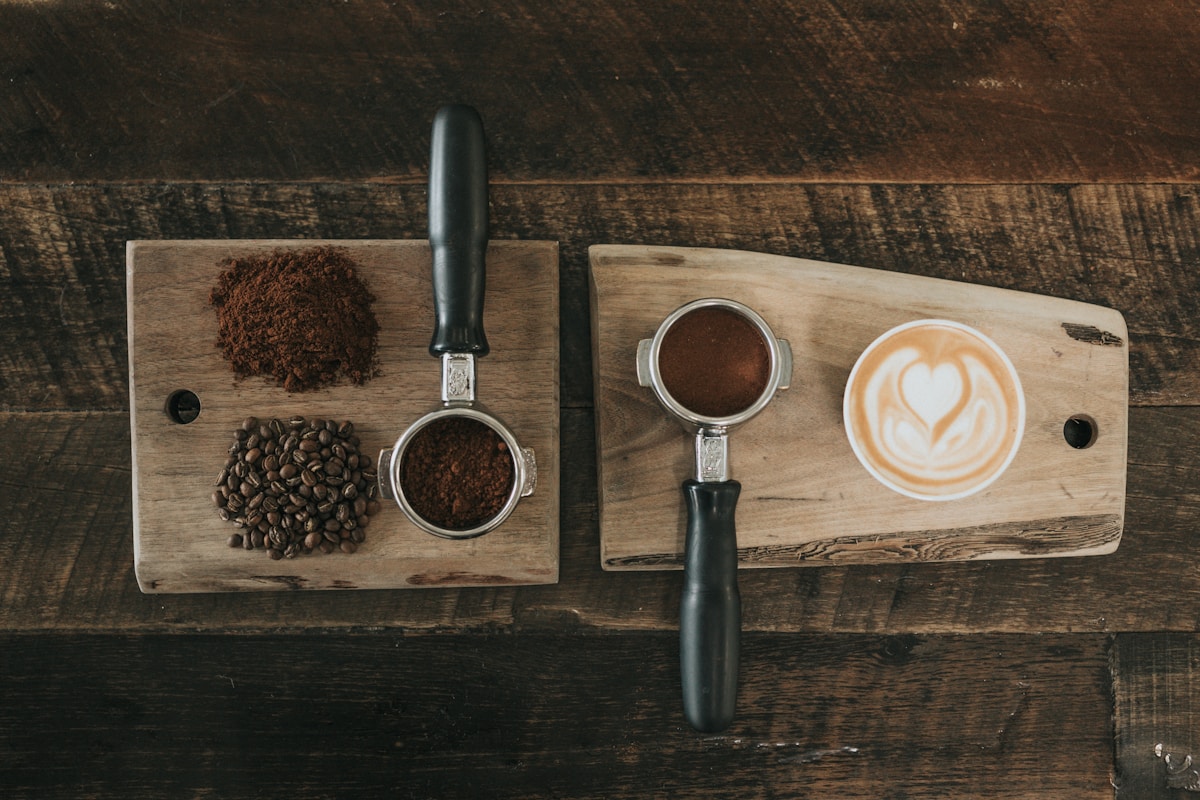
- Saudi Arabia imports more cardamom than any other country, using approximately 35% of the global supply to flavour gahwa (Arabic coffee), where it is added at concentrations up to 30% of the total blend.
Where did cardamom originate?
Cardamom (Elettaria cardamomum) is native to the evergreen shola forests of India's Western Ghats, the mist-shrouded mountain range running parallel to the Malabar Coast in what is now Kerala and Karnataka. Wild cardamom grows in the understorey of these forests between 600 and 1,500 metres elevation, producing small green seed pods with an intensely aromatic, camphorous flavour derived from the volatile compound 1,8-cineole. Ancient Tamil Sangam literature (c. 300 BCE–200 CE) refers to cardamom as "elam" and describes its collection from forest floors by tribal communities [1].
India's ancient spice trade carried cardamom outward from the port of Muziris (modern Kodungallur in Kerala), one of the most important trading hubs of the ancient Indian Ocean world. Babylonian cuneiform tablets mention aromatic spices traded from "Meluhha" (possibly the Indus region) that scholars believe include cardamom. The Ebers Papyrus (c. 1550 BCE), an Egyptian medical text, lists a spice called "cardamomum" among pharmaceutical ingredients. Greek and Roman sources are more explicit: Theophrastus (c. 370–285 BCE) describes two kinds of cardamom in his Enquiry into Plants, and Dioscorides prescribes it in De Materia Medica for digestive ailments [2].
How did cardamom evolve over time?
Cardamom's expansion from India followed both maritime and overland routes. Arab merchants who dominated Indian Ocean trade from the 7th century onward brought cardamom to the Middle East, where it was quickly adopted into coffee culture once Coffea arabica spread from Ethiopia through Yemen in the 15th century. The combination of coffee and cardamom became so central to Arabian hospitality that serving gahwa (Arabic coffee) without cardamom would be considered an insult in many Gulf communities [1].
The Vikings, trading through Constantinople and the Black Sea, carried cardamom to Scandinavia around 1000 CE — one of the longest and most unlikely spice routes in history. Its adoption in Nordic baking was so thorough that cardamom is now the defining spice of Scandinavian pastry culture: Swedish kardemummabullar (cardamom buns), Finnish pulla bread, and Norwegian julekake all depend on it. Scandinavian countries remain among the highest per-capita consumers of cardamom outside the Middle East [3].
The most dramatic chapter in cardamom's global journey began in 1914, when German coffee planter Oscar Majus Kloeffer introduced Indian cardamom seedlings to the Alta Verapaz highlands of Guatemala. The volcanic soil, altitude (1,000–1,500 metres), and rainfall proved ideal. Q'eqchi' Maya farmers, many of them labourers on German-owned coffee estates, adopted the crop enthusiastically. By the late 20th century, Guatemala had overtaken India as the world's largest cardamom exporter, sending over 80% of its harvest to the Middle East [2].
Why is cardamom culturally important?
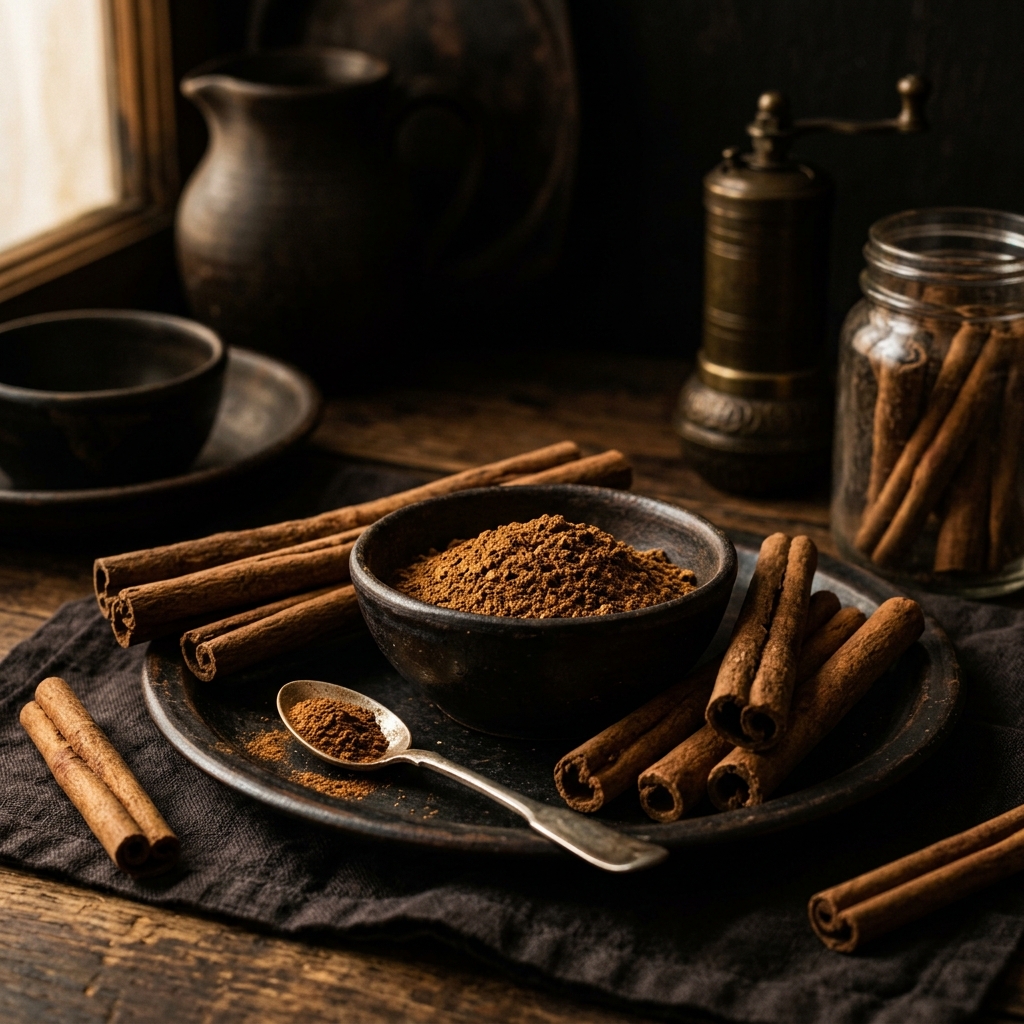
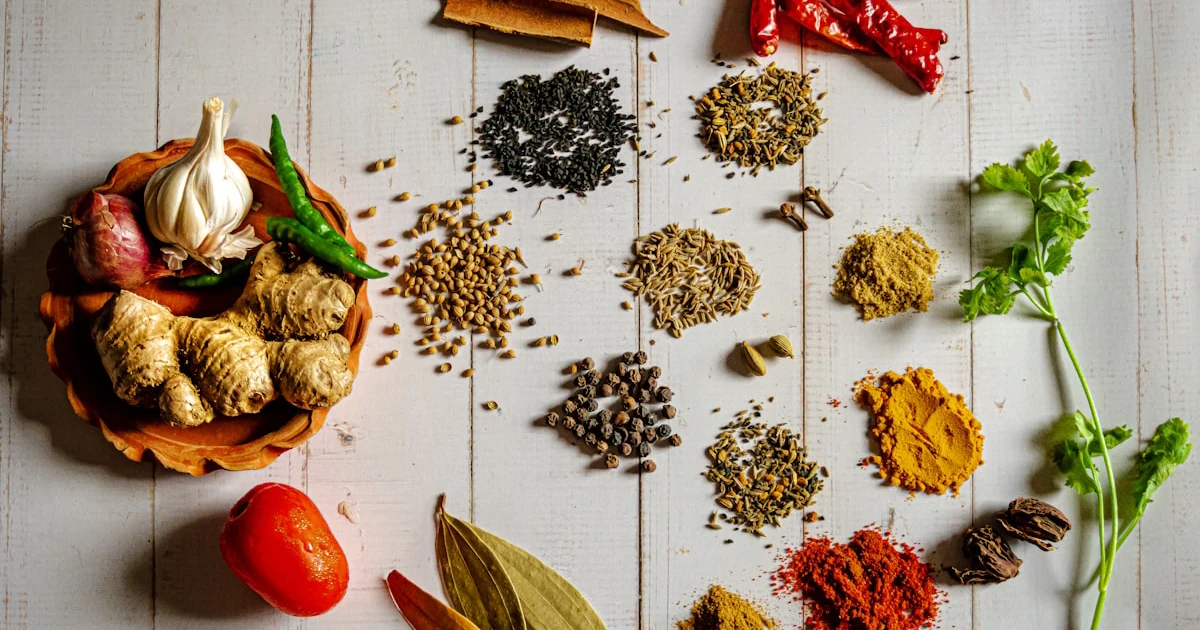
In South Asian culture, cardamom occupies a position of quiet luxury. It is one of the key spices in garam masala, the aromatic blend that finishes curries across the subcontinent. In Mughal cuisine, cardamom flavours biryanis, kormas, and the rich rice pudding kheer. Ayurvedic medicine classifies it as a tridoshic herb — suitable for balancing all three constitutions — and recommends it for breath freshening, digestive regulation, and as an antidote to excess caffeine [1].
In the Arab world, gahwa preparation is a ceremonial art. The host roasts green coffee beans lightly, pounds them with cardamom (sometimes adding saffron or rosewater), and brews the mixture in a dallah (long-spouted pot). The ritual of pouring, the etiquette of refilling (guests shake their cup side to side to signal "enough"), and the generosity of cardamom used all communicate social status and respect. Bedouin tradition holds that a guest should be served three cups before discussing business [3].
In Scandinavia, cardamom's adoption created a distinct pastry tradition with no equivalent elsewhere in Europe. The Swedish fika (coffee break) institution depends on cardamom-scented buns and breads; some Swedish bakeries use more cardamom per capita than Indian households. This Nordic-Indian flavour bridge, established by Viking-era trade, is one of food history's most enduring and least discussed cultural transfers [2].
Modern Renaissance
Guatemala now produces roughly 35,000–40,000 tonnes of cardamom annually, making it the world's largest producer — a position it has held since the 1980s. The Alta Verapaz and Quiché departments are the primary growing regions, where an estimated 350,000 smallholder farming families depend on the crop. Cardamom is Guatemala's most valuable agricultural export after coffee, earning over $800 million in peak years. Yet the supply chain remains volatile: prices swing dramatically based on Middle Eastern demand, monsoon patterns affecting Indian harvests, and Guatemala's own vulnerability to hurricanes [1].
India's Idukki district in Kerala and the Cardamom Hills of Tamil Nadu continue to produce premium green cardamom prized for aroma and oil content. Indian auction houses at Bodinayakanur grade cardamom into categories from "Alleppey Green Extra Bold" (AGEB) to smaller "clipped" grades, with top-tier pods fetching $60 or more per kilogram. Black cardamom (Amomum subulatum), a larger, smokier relative grown in Nepal and Bhutan, serves different culinary purposes — starring in Chinese braised dishes, Vietnamese pho, and North Indian meat curries [2].
The global cardamom market is projected to exceed $18 billion by 2028, driven by rising demand in specialty coffee, chai blends, and wellness teas. Craft gin distillers in London and Copenhagen have adopted cardamom as a signature botanical. Meanwhile, climate change threatens both Indian and Guatemalan production: rising temperatures push optimal growing zones higher up mountain slopes, and changing rainfall patterns disrupt flowering cycles. For a spice that has been traded continuously for 4,000 years, adaptation is nothing new — but the pace of change may be unprecedented [3].
In the news
Recent 2026 food-culture notes that reference this article.
Historical Timeline
Cardamom traded from India's Malabar Coast to Mesopotamia and Egypt
Theophrastus and Dioscorides describe cardamom in Greek botanical texts
Vikings carry cardamom to Scandinavia via Constantinople trade routes
German planter Oscar Majus Kloeffer introduces cardamom to Alta Verapaz, Guatemala
Guatemala overtakes India as world's largest cardamom exporter
Evidence Explorer
Review the Source Trail
Inspect the article sources, scoped review credits, and copyable citation details without leaving the page.
Reviewed for Stated Scope
Sources Listed
Comments
Community comments are coming soon. Check back later to join the discussion!