💡 Key Takeaways
- True cinnamon (Cinnamomum verum) comes exclusively from the inner bark of trees native to Sri Lanka, while most "cinnamon" sold globally is actually cassia (C. cassia) from China, Indonesia, or Vietnam — a botanically distinct species with higher coumarin content.
- The quest for cinnamon drove Portuguese navigator Lourenço de Almeida to invade Sri Lanka in 1505, beginning 450 years of European colonial control over the island's cinnamon forests.
- Germany's Federal Institute for Risk Assessment warned in 2006 that cassia cinnamon contains enough coumarin (a liver toxin) that eating one Danish pastry daily could exceed the EU's tolerable daily intake — sparking the "cinnamon controversy" across Europe.
Where did cinnamon originate?
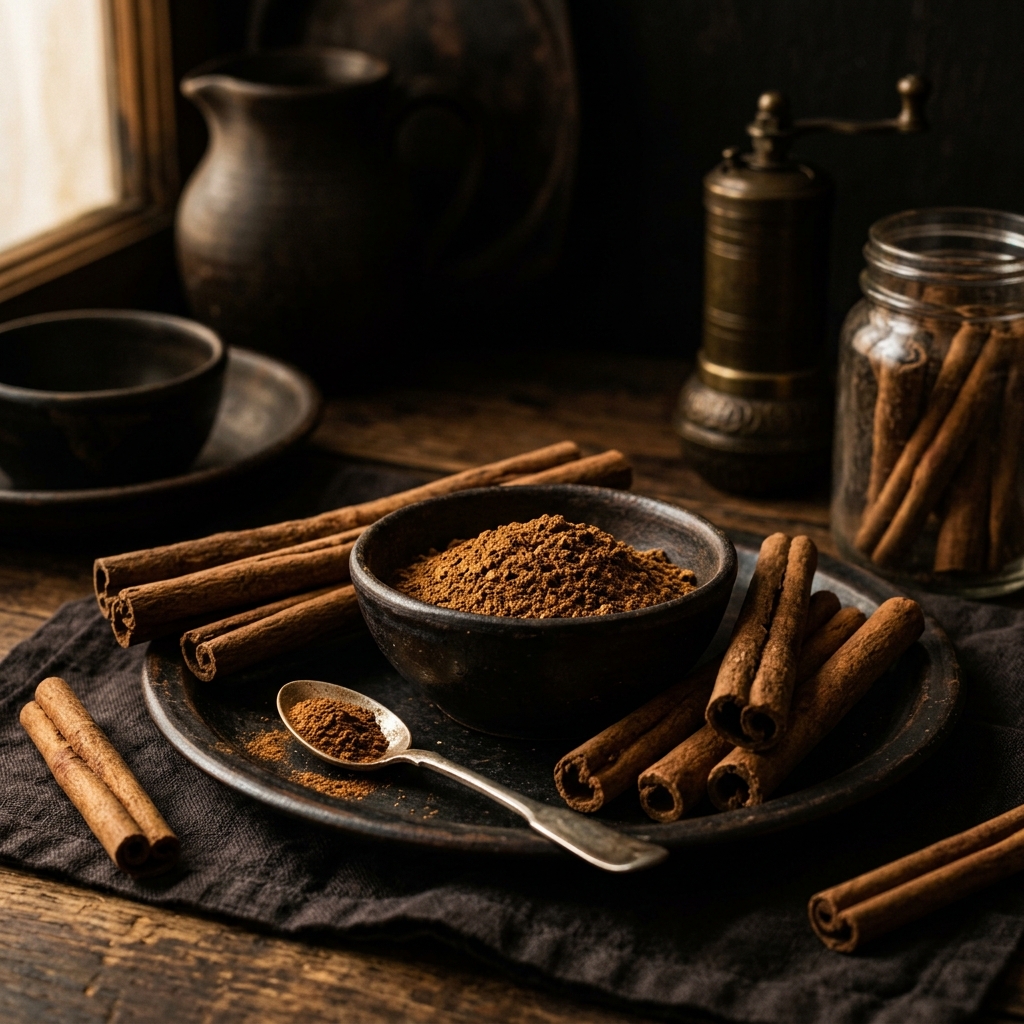
True cinnamon (Cinnamomum verum, formerly C. zeylanicum) is the inner bark of a small evergreen tree native exclusively to the wet lowlands of southwestern Sri Lanka. The bark is harvested from young shoots: skilled peelers (known in Sinhala as "kurundu" workers) slit the outer bark, then carefully peel and curl the paper-thin inner bark into the familiar quills that dry into cinnamon sticks. This process, refined over millennia, produces a spice with a delicate, complex sweetness markedly different from the bolder, more pungent cassia (C. cassia, C. burmannii, C. loureiroi) that accounts for roughly 95% of cinnamon sold worldwide [1].
Cinnamon reached Egypt and the Mediterranean world remarkably early. The Ebers Papyrus (c. 1550 BCE) lists "ti-sps" (identified by scholars as cinnamon) among pharmaceutical ingredients, and cinnamon residues have been identified in Egyptian mummification materials. How cinnamon traveled from Sri Lanka to Egypt before the age of direct maritime routes remains debated: the most likely intermediaries were Austronesian (proto-Malay) seafarers who crossed the Indian Ocean and traded with East African and Arabian merchants, who then passed the spice along overland routes to the Nile [2].
How did cinnamon evolve over time?
To protect their monopoly, ancient middlemen fabricated outlandish origin stories. Herodotus (c. 450 BCE) recorded that cinnamon grew in a lake guarded by bat-like creatures, and that giant "cinnamon birds" (kinnamomon) built nests from cinnamon sticks on unscalable Arabian cliffs — traders supposedly lured the birds with chunks of ox meat too heavy for the nests, causing them to collapse and spill their cinnamon cargo. These tales persisted for centuries because no European had visited Sri Lanka's cinnamon forests [2].
The truth emerged violently. In 1505, Portuguese navigator Lourenço de Almeida landed in Sri Lanka, and within a decade Portugal had established fortified trading posts to control the cinnamon supply. The Portuguese forced the indigenous Sinhalese kingdom of Kotte into tribute arrangements that essentially amounted to slave-harvesting of cinnamon bark [1].
The Dutch East India Company (VOC) expelled the Portuguese in 1658 and ran the cinnamon monopoly with ruthless efficiency for nearly 140 years. Under Dutch rule, damaging or smuggling cinnamon trees was punishable by death. The British seized Ceylon in 1796 but found the monopoly less profitable as cheaper cassia from China and Southeast Asia flooded European markets. By the mid-19th century, cinnamon's mystique as an exotic luxury had faded, though Sri Lankan producers continued to cultivate the highest-quality bark [2].
Why is cinnamon culturally important?
Cinnamon's cultural footprint extends far beyond cooking. The Bible mentions it four times — in Exodus as a component of sacred anointing oil, and in Proverbs and the Song of Solomon as a perfume. Roman Emperor Nero burned a year's supply of cinnamon at the funeral pyre of his wife Poppaea Sabina in 65 CE, a gesture of grief so extravagant that Pliny the Elder condemned it as wasteful sacrilege [3].
In medieval Europe, cinnamon was a marker of wealth. Hippocras, a spiced wine made with cinnamon, sugar, and sometimes galingale, was the prestige drink of aristocratic banquets. Cinnamon appears in practically every major medieval European recipe collection, from Le Viandier de Taillevent (c. 1375) to The Forme of Cury (c. 1390). As colonial trade made the spice affordable, it transitioned from elite luxury to everyday baking staple — a journey completed by the 19th century [1].
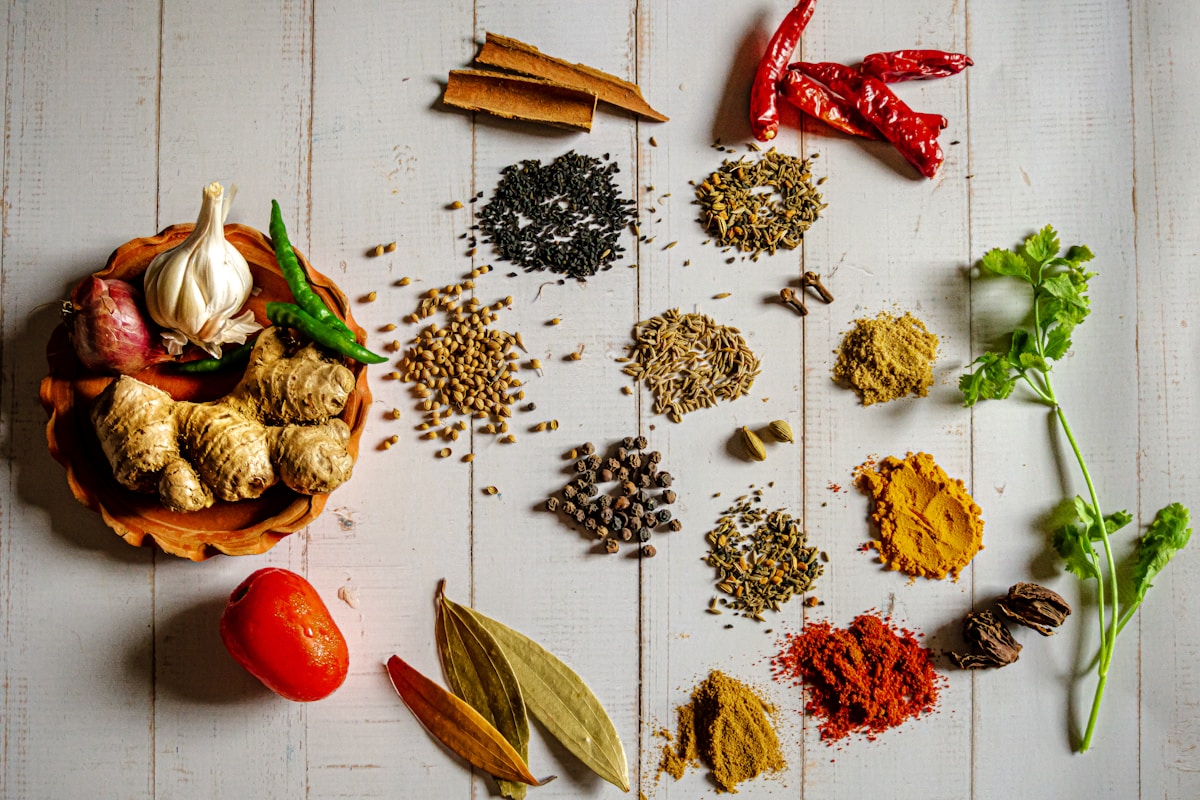
In South and Southeast Asian cuisines, cinnamon (or cassia) plays a savoury role unfamiliar to Western palates. It is a core component of Indian garam masala, Chinese five-spice powder, Vietnamese phở broth, and Moroccan ras el hanout. These traditions preserve cinnamon's ancient dual identity as both a sweet and savoury spice — a versatility that Western baking culture has largely forgotten [2].
Modern Renaissance
The modern cinnamon market is split between two fundamentally different products. Sri Lankan "true" cinnamon (C. verum) is produced by about 350,000 smallholder farmers on the island's southwest coast, yielding roughly 18,000–22,000 tonnes annually. It is lighter in colour, milder in flavour, and commands premium prices ($15–30/kg). Cassia — from Indonesia (C. burmannii, the world's largest producer), China (C. cassia), and Vietnam (C. loureiroi) — accounts for over 95% of global supply and sells for $3–7/kg [1].
The health distinction between these two became a major public issue in 2006, when Germany's Federal Institute for Risk Assessment (BfR) warned that cassia cinnamon contains coumarin (a naturally occurring compound toxic to the liver in high doses) at concentrations up to 1%, while Ceylon cinnamon contains only trace amounts (around 0.004%). The BfR calculated that a child eating one cinnamon-dusted Danish pastry or a few cinnamon cookies daily could exceed the EU's tolerable daily intake of 0.1 mg coumarin per kilogram of body weight. The resulting media coverage — the "cinnamon controversy" or "Zimtstreit" in German — drove a consumer shift toward Ceylon cinnamon in health-conscious markets [2].
Sri Lanka has positioned its cinnamon industry for premium markets: Ceylon Cinnamon received EU Geographical Indication protection in 2022, and the Sri Lanka Cinnamon Training Academy teaches traditional peeling techniques that UNESCO is evaluating for Intangible Cultural Heritage status. Meanwhile, cassia producers in Vietnam and Indonesia are experimenting with coumarin-reduced cultivars and organic certification. The bark that launched colonial empires now navigates the very different challenges of food safety regulation and geographical branding [3].
In the news
Recent 2026 food-culture notes that reference this article.
Historical Timeline
Egyptian expeditions import cinnamon via Red Sea trade routes; mentioned in the Ebers Papyrus
Herodotus describes fantastical cinnamon-gathering stories involving giant birds in Arabia
Portuguese invade Sri Lanka to seize control of the cinnamon trade
Dutch East India Company (VOC) captures Sri Lanka's cinnamon monopoly from Portugal
Germany's BfR warns about coumarin in cassia cinnamon, sparking the "cinnamon controversy"
Evidence Explorer
Review the Source Trail
Inspect the article sources, scoped review credits, and copyable citation details without leaving the page.
Reviewed for Stated Scope
Sources Listed
Comments
Community comments are coming soon. Check back later to join the discussion!