💡 Key Takeaways
- Confucius (551–479 BCE) reportedly ate ginger with every meal and wrote about it in his Analerta, making him one of the earliest named advocates of the rhizome.
- Ginger was one of the first Asian spices to reach the Roman Empire, taxed at Alexandria at a rate of roughly 5% of its value under Emperor Marcus Aurelius' customs schedule of 176 CE.
- India produces about 43% of the world's ginger — over 2 million tonnes annually — followed by Nigeria, China, and Indonesia.
Where did ginger originate?
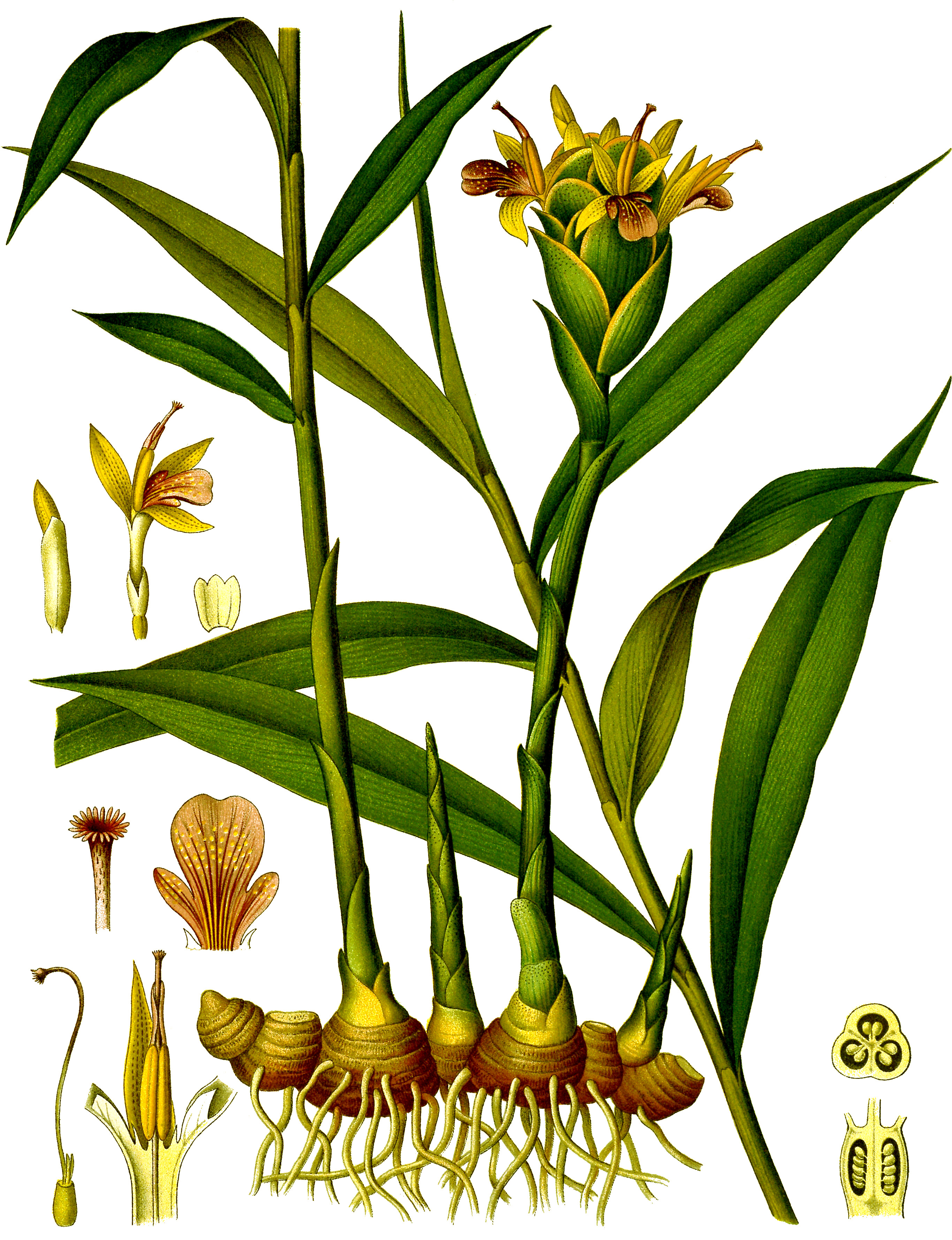
Ginger (Zingiber officinale) is a tropical rhizome that no longer exists in the wild — every plant alive today is a cultivar maintained by human propagation, evidence of a domestication so ancient that the wild progenitor has vanished. Botanical and genetic analysis points to the Malay Archipelago (modern Malaysia and Indonesia) as ginger's most likely homeland, where related wild Zingiber species still flourish in humid lowland forests [1].
From Southeast Asia, ginger spread westward to the Indian subcontinent well before recorded history. Sanskrit medical texts including the Charaka Samhita (c. 300 BCE) classify ginger as "vishwabheshaj" — the universal medicine — and prescribe it for digestive complaints, nausea, and joint pain. In China, ginger appears in the oldest surviving herbal, the Shennong Ben Cao Jing (c. 200 BCE), and Confucius (551–479 BCE) reportedly consumed ginger at every meal, declaring he was "never without it" at his table. These twin traditions of Indian Ayurveda and Chinese medicine established ginger's dual identity as both culinary spice and pharmaceutical that persists to this day [2].
How did ginger evolve over time?
Ginger was among the earliest Asian spices to reach the Mediterranean world. By the 1st century CE, it was well known in Rome: Pliny the Elder listed its price at 6 denarii per pound, and Dioscorides prescribed it in his De Materia Medica for warming the stomach. The Alexandrian customs schedule of Marcus Aurelius (176 CE) specifically lists ginger as a taxable import, confirming substantial trade volumes through Egypt's Red Sea ports [1].
During the medieval period, ginger became Europe's second most traded spice after pepper. It arrived in powdered and preserved forms that survived long overland journeys. By the 13th century, a pound of ginger cost roughly the same as a sheep in England. Gingerbread — originally a dense, honey-sweetened confection — became a fixture of European fairs, and specialised gingerbread guilds operated in Nuremberg, Paris, and Toruń (Poland). The elaborate Nürnberger Lebkuchen tradition dates to at least 1395 and carries EU Protected Geographical Indication status today [3].
The spice crossed the Atlantic with Spanish colonists. In 1585, ginger was planted in Jamaica, which became the world's largest exporter by the 17th century. Jamaican ginger — prized for its bright, citrusy heat — still commands premium prices. Portuguese merchants simultaneously introduced the rhizome to West Africa, where it was rapidly adopted into local cuisines and healing practices [2].
Why is ginger culturally important?
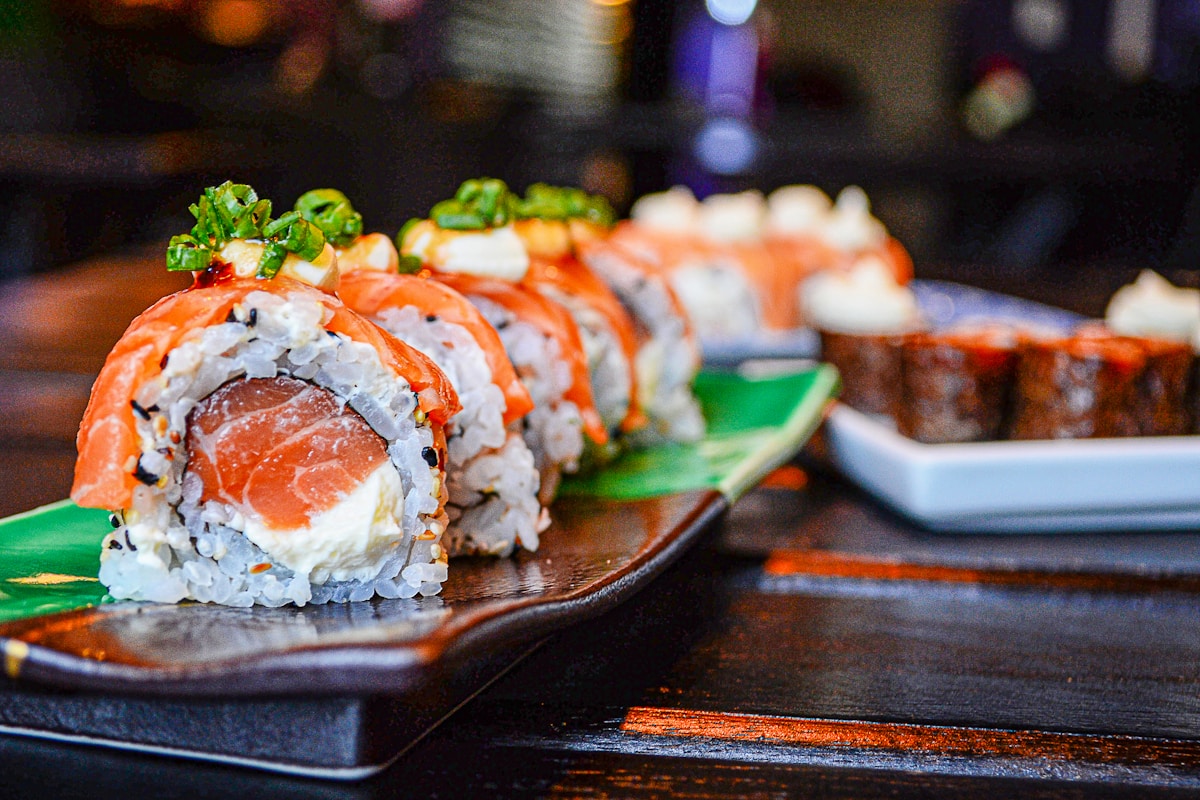
Ginger occupies a remarkable cultural niche: it appears in the pharmacopoeia, cuisine, and ritual life of virtually every civilization that encountered it. In Japan, pickled ginger (gari) is an essential sushi accompaniment, while grated fresh ginger (shoga) seasons everything from ramen broth to agedashi tofu. Chinese cuisine uses ginger in three forms — fresh, dried, and pickled — each with distinct culinary applications defined by the Cantonese concept of "hot" and "cool" foods [1].
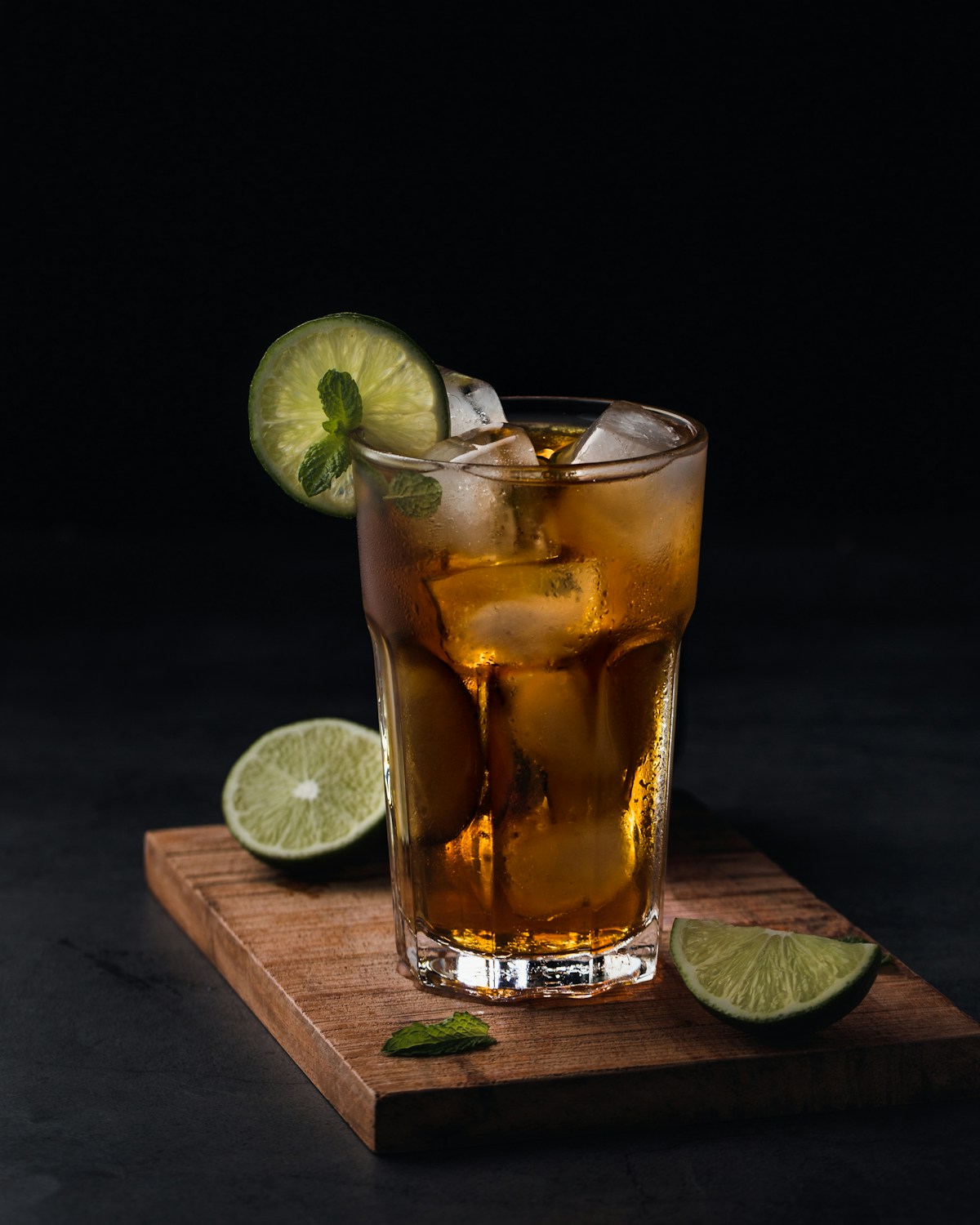
In South Asia, fresh ginger-garlic paste is the foundational flavour base of North Indian cooking, while dried ginger powder (sonth) appears in chai masala blends. Thai cuisine relies on galangal (a close ginger relative) and fresh ginger alike in soups like tom kha gai. Across the Caribbean, ginger beer — originally an alcoholic brew — became the base for the Moscow Mule cocktail when Smirnoff vodka and ginger beer were combined at Hollywood's Cock 'n' Bull bar in 1941 [3].
In traditional medicine systems worldwide, ginger is perhaps the most consistently recommended plant remedy. Modern clinical evidence supports several traditional uses: a 2018 Cochrane review confirmed ginger's efficacy against nausea and vomiting in pregnancy, and multiple randomised controlled trials have demonstrated anti-nausea effects during chemotherapy. The bioactive compounds gingerol and shogaol show anti-inflammatory activity in laboratory studies comparable to ibuprofen [2].
Modern Renaissance
India leads global ginger production with over 2 million tonnes annually (roughly 43% of the world total), followed by Nigeria, China, and Indonesia. The global ginger market was valued at approximately $4.5 billion in 2020, with demand spiking dramatically during the COVID-19 pandemic as consumers turned to traditional immunity-boosting remedies. Google searches for "ginger immunity" surged 300% in March 2020 [1].
Japanese and Australian farmers are pioneering high-value ginger varieties. Queensland's Buderim Ginger operation, founded in 1941, produces crystallised, pickled, and fresh ginger for export across five continents. In Nigeria, ginger farming has expanded from traditional smallholdings to a major export industry, with Kaduna State alone producing over 300,000 tonnes. The "ginger gold rush" has brought both prosperity and environmental pressure as forests are cleared for cultivation [2].
The wellness industry has embraced ginger enthusiastically: ginger shots — concentrated juice blends sold at cold-pressed juice bars — became a $200 million subcategory in the U.S. alone by 2022. Functional beverages from kombucha to adaptogenic tonics feature ginger prominently. Yet the rhizome's greatest modern contribution may be pharmacological: gingerol and its thermally modified form shogaol are under active investigation for anti-cancer, anti-diabetic, and neuroprotective properties, with over 4,000 PubMed-indexed studies published since 2010. Five thousand years after Austronesian farmers first propagated it, ginger remains one of humanity's most versatile and well-documented plant medicines [3].
Historical Timeline
Ginger cultivated in the Malay Archipelago and traded to the Indian subcontinent
Confucius writes about consuming ginger with every meal
Roman customs ledger at Alexandria records tax on imported ginger
Spanish colonists establish first ginger plantations in Jamaica
Global ginger market exceeds $4.5 billion amid pandemic-driven demand
Evidence Explorer
Review the Source Trail
Inspect the article sources, scoped review credits, and copyable citation details without leaving the page.
Reviewed for Stated Scope
Sources Listed
Comments
Community comments are coming soon. Check back later to join the discussion!