💡 Key Takeaways
- Lentils (Lens culinaris) were domesticated early in the Near East and remain one of the fastest-cooking dry pulses.
- Mediterranean stews and South Asian dals turned the same seed into regionally distinct comfort foods.
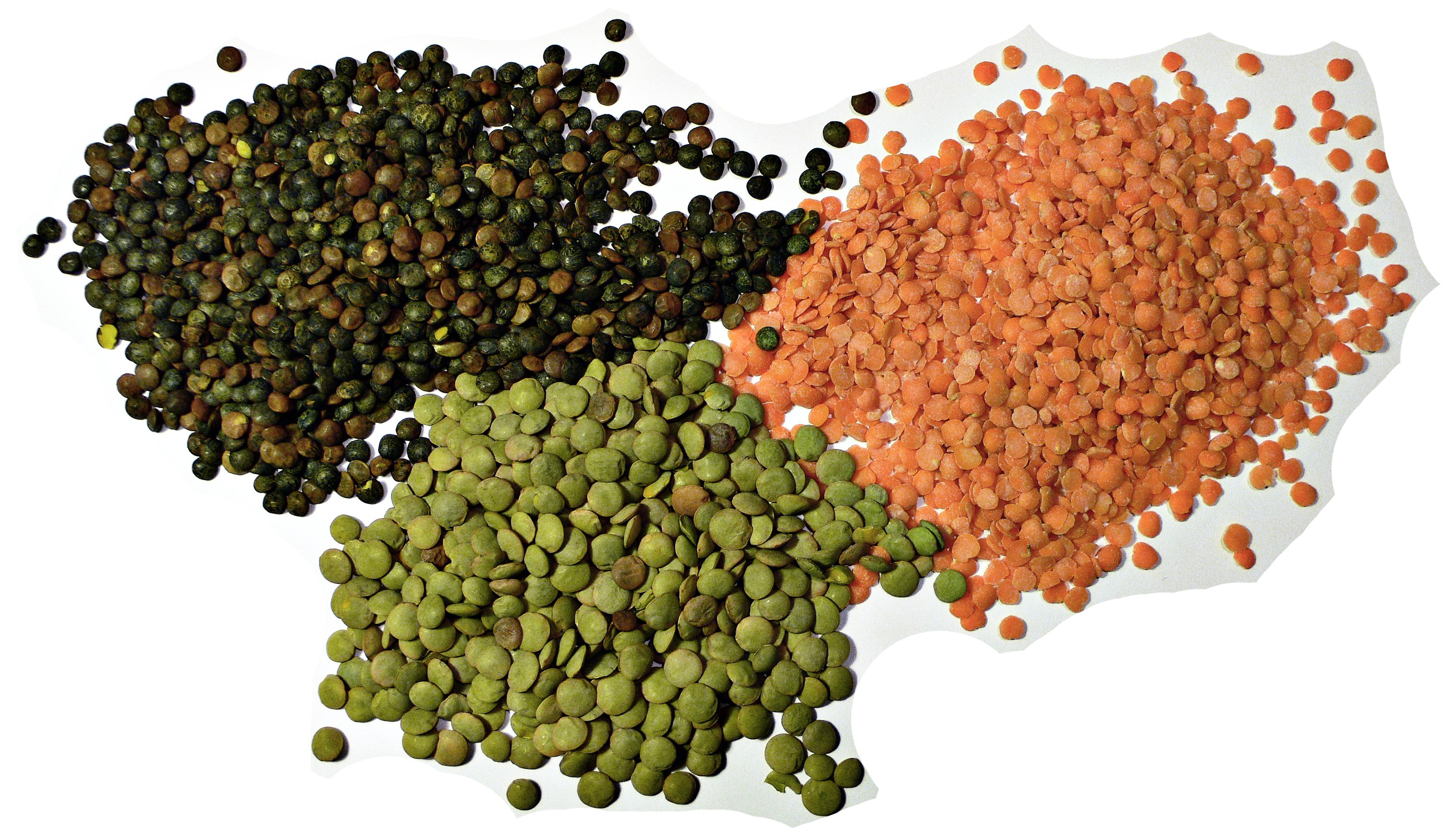
- Red, green, brown, and black market types are mostly cooking and color choices within one cultivated species.
Where did lentil originate?
The lentil (Lens culinaris) is an annual pulse domesticated in the Fertile Crescent alongside early cereals [1][2][4]. Archaeobotanical finds place lentils among the founder crops of Near Eastern agriculture — compact protein that dried well and cooked relatively quickly.
Unlike many larger beans, lentils often need no overnight soak. That kitchen practicality helped them stay everyday food rather than feast-only legumes [3].
Mediterranean Stews and Everyday Protein
Around the Mediterranean, lentils filled soups, salads, and potages with onion, olive oil, and herbs [1]. Classical writers treated them as common people’s protein; monastic and peasant kitchens kept the habit for centuries.
The food-history point is status flip: a pulse once coded as humble now appears on restaurant menus as heritage comfort — the same seed, new prestige framing.
South Asia: Dal and Tempering
In South Asia, split lentils become dal — simmered until soft, then finished with a tarka (tempering) of spices in hot fat [1][2]. Red masoor, whole brown lentils, and other market types feed millions of daily meals beside rice and yogurt.
Lentils here are not a side; they are the protein chapter of the plate. Diaspora kitchens carried that pattern worldwide, which is why “lentil soup” and “dal” share search space in English.
Fiber Pantry and How Lentils Are Used Today
Today lentils appear dried, canned, in soups, salads, and plant-protein bowls. Major producers include Canada, India, and Turkey among others [5]. On this site they link fiber hubs to beans, chickpea, and regional Indian pages without medical claims — history and cooking culture only.
The durable story: an early Near Eastern pulse still solves the same problem it solved at domestication — portable, storable, fast-cooking protein.
In the news
Recent 2026 food-culture notes that reference this article.
Historical Timeline
Lentils enter Near Eastern farming as a founder pulse
Lentil stews and porridges become ordinary protein food
Dal traditions deepen around split lentils and tempered spices
Canada, India, Turkey, and others scale lentil as a global dry-pulse commodity
Plant-protein and fiber trends keep lentil soup and dal in search demand
Evidence Explorer
Review the Source Trail
Inspect the article sources, scoped review credits, and copyable citation details without leaving the page.
Reviewed for Stated Scope
Sources Listed
Comments
Community comments are coming soon. Check back later to join the discussion!