💡 Key Takeaways
- Humans ate wild bird eggs long before chickens were domesticated, but the familiar chicken egg belongs to the later history of red junglefowl, farming, trade, and selective breeding.
- Recent archaeological research is more cautious than older origin stories: one major PNAS study points to unambiguous early chicken evidence in central Thailand around 1650-1250 BCE.
- Tiny eggshell fragments from Central Asian Silk Road sites show that chickens were being raised for eggs by around the 4th century BCE and into the medieval period.
- Modern eggs are not just breakfast food. They bind, thicken, foam, emulsify, glaze, enrich, and symbolize birth, rebirth, fertility, and abundance across many cultures.
Wild Eggs, Junglefowl, and the Origin of the Chicken Egg
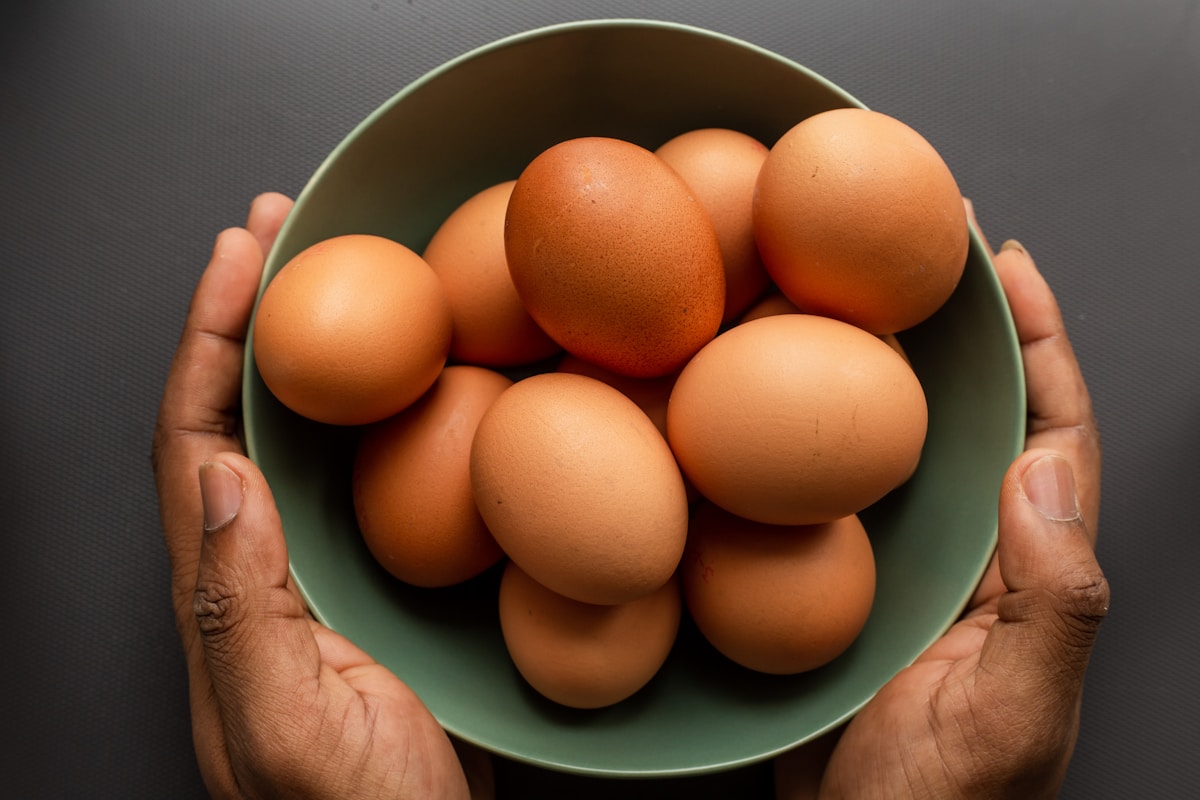
Eggs are older than humanity, but the chicken egg has a much more specific history. Long before domestication, people could gather seasonal eggs from wild birds wherever nests, wetlands, cliffs, forests, or shorelines made them available. The modern food called "eggs," however, usually means the unfertilized eggs of domestic chickens, birds descended mainly from red junglefowl with a more complicated ancestry that may include other junglefowl species [1][2].
Older food histories often gave chicken domestication very early dates, but recent archaeology is more cautious. A major PNAS reassessment argues that unambiguous early chicken evidence appears at Ban Non Wat in central Thailand around 1650-1250 BCE, in a farming landscape where stored rice and millet may have drawn wild junglefowl closer to people [3]. That makes the egg story less like a single invention and more like a long shift: from opportunistic wild egg gathering to managing birds whose reproductive cycles could eventually feed households, markets, and empires.
From Ritual Birds to Everyday Protein
The first domestic chickens were probably not valued only, or even mainly, as efficient egg machines. Across early Eurasia, chickens could be exotic animals, ritual birds, fighting birds, status markers, sources of meat, and only gradually dependable producers of food eggs [3][5]. That distinction matters because it keeps the story historically honest. The chicken came before the industrial breakfast egg, but the reasons people kept chickens changed over time.
What made eggs powerful was their portability and rhythm. Unlike cattle, pigs, or sheep, chickens could live around households, courtyards, gardens, markets, ships, and roadside settlements. A small flock could turn scraps, grain, insects, and human-managed space into compact packets of fat, protein, and culinary possibility. As chickens spread through trade routes, migration, and local breeding, eggs became a food that crossed social boundaries: humble enough for daily meals, useful enough for professional kitchens, and symbolic enough for ritual calendars.
Eggs in Ancient Kitchens, Religion, and Symbolism
Eggs entered history not just as calories but as ideas. Their shape, shell, hidden life, and sudden transformation made them natural symbols of birth, fertility, creation, rebirth, and seasonal renewal. That is why decorated eggs appear in spring festivals, why Easter eggs became so powerful in Christian practice, and why eggs can sit comfortably between the table, the temple, and the family ritual [5].
In cooking, the egg became a quiet technology. Britannica describes the egg as the edible content of a bird's hard-shelled reproductive body, but in a kitchen it behaves like a toolkit [1]. Heat makes its proteins coagulate into custards, omelets, and boiled eggs. Beating traps air for foams and cakes. Yolks help emulsify sauces. Whites clarify broths. Whole eggs bind crumbs, meat, vegetables, noodles, and dough. This is why eggs became important in bread, pastries, sauces, noodles, breakfast dishes, festive foods, and restaurant technique without needing one single national cuisine to own them.
Silk Road Eggshells and the Spread of Egg Production
One of the most important recent discoveries in egg history came from fragments so small they could be missed entirely. In 2024, researchers used archaeological and molecular methods to identify chicken eggshells from sites across southern Central Asia. The evidence suggests that chickens were widely raised there from about the 4th century BCE through medieval periods, likely moving through the same Silk Road corridors that carried goods, animals, crops, religions, and technologies [4].
The key point is not simply that chickens were present. It is that eggshells reveal egg production. Wild birds lay seasonally, but domestic management and later breeding made laying more regular. If households and settlements were discarding many eggshell fragments, then eggs had become part of everyday subsistence, not just a rare byproduct. This gives the chicken egg a trade-route history: it traveled not as a luxury spice or precious metal, but as a living food system that could reproduce wherever people carried birds, grain, and husbandry knowledge.
Industrial Farming and the Modern Egg
The modern egg is the result of biology plus infrastructure. Artificial lighting, specialized laying breeds, incubators, refrigeration, feed systems, veterinary control, grading, packaging, and global distribution changed the egg from a seasonal farm product into a standardized supermarket staple. FAO notes that global egg production rose from about 15 million tonnes in 1961 to about 93 million tonnes in 2020, with China by far the largest producer at roughly 38 percent of world production [6].
That scale brought affordability and reliability, but also new ethical and environmental questions. Cage systems, disease control, feed sourcing, animal welfare, and industrial concentration turned eggs into a symbol of modern food abundance and its tensions. Cage-free, free-range, pasture-raised, organic, enriched, and plant-based egg alternatives all belong to this newer chapter. They show that the egg is no longer just a food object. It is also a debate about how humans should manage animals, land, price, convenience, and trust.
How Eggs Are Used Today
Today eggs move easily between breakfast tables, street stalls, bakeries, ramen shops, cafes, home kitchens, hotel buffets, and fine dining. They are boiled, fried, poached, scrambled, steamed, cured, salted, pickled, preserved, baked, whipped, and folded into sauces. They appear beside bread and butter, enrich noodles and pastries, bind meat and vegetables, thicken custards, glaze dough, and turn simple leftovers into satisfying meals.
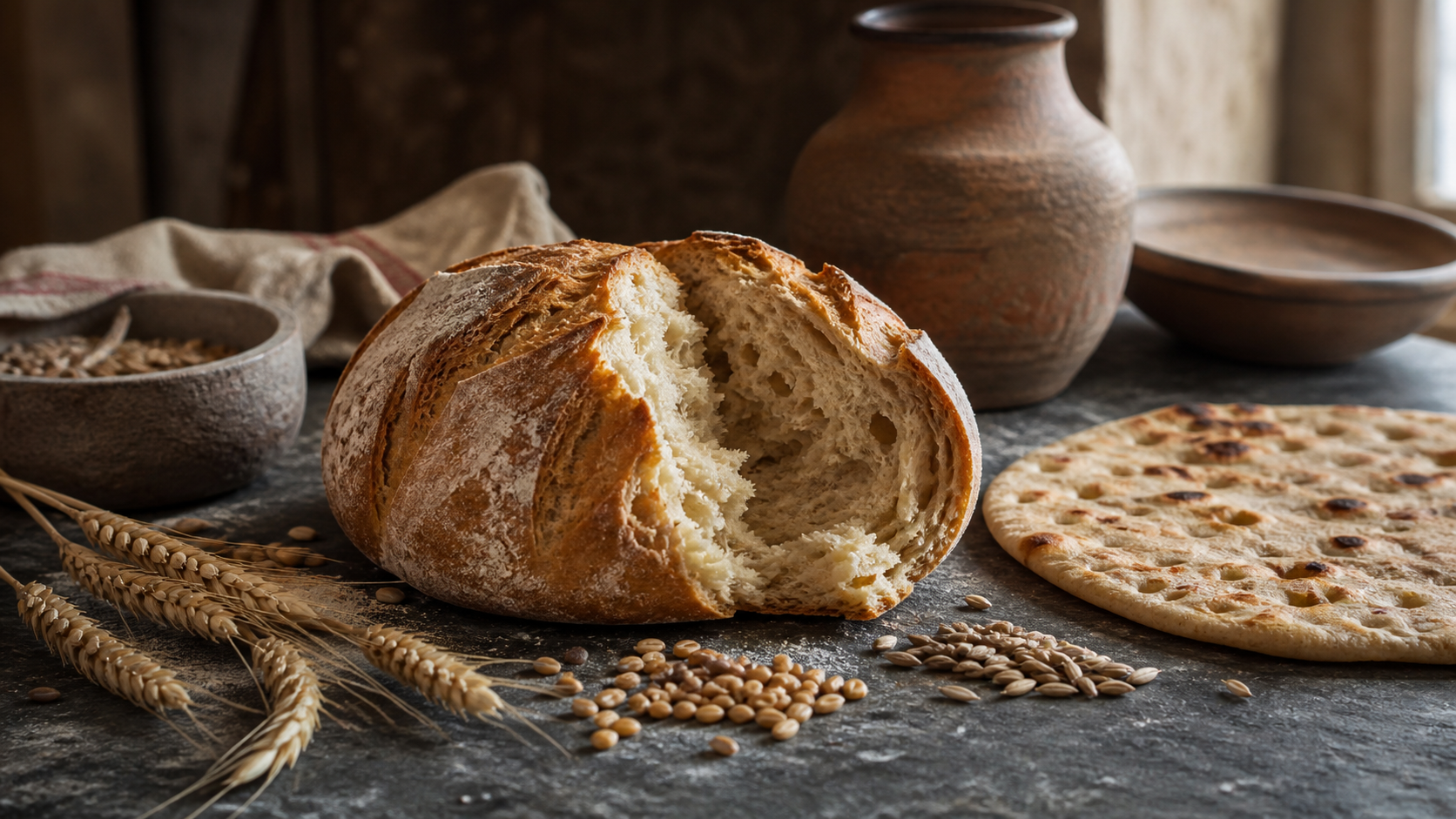
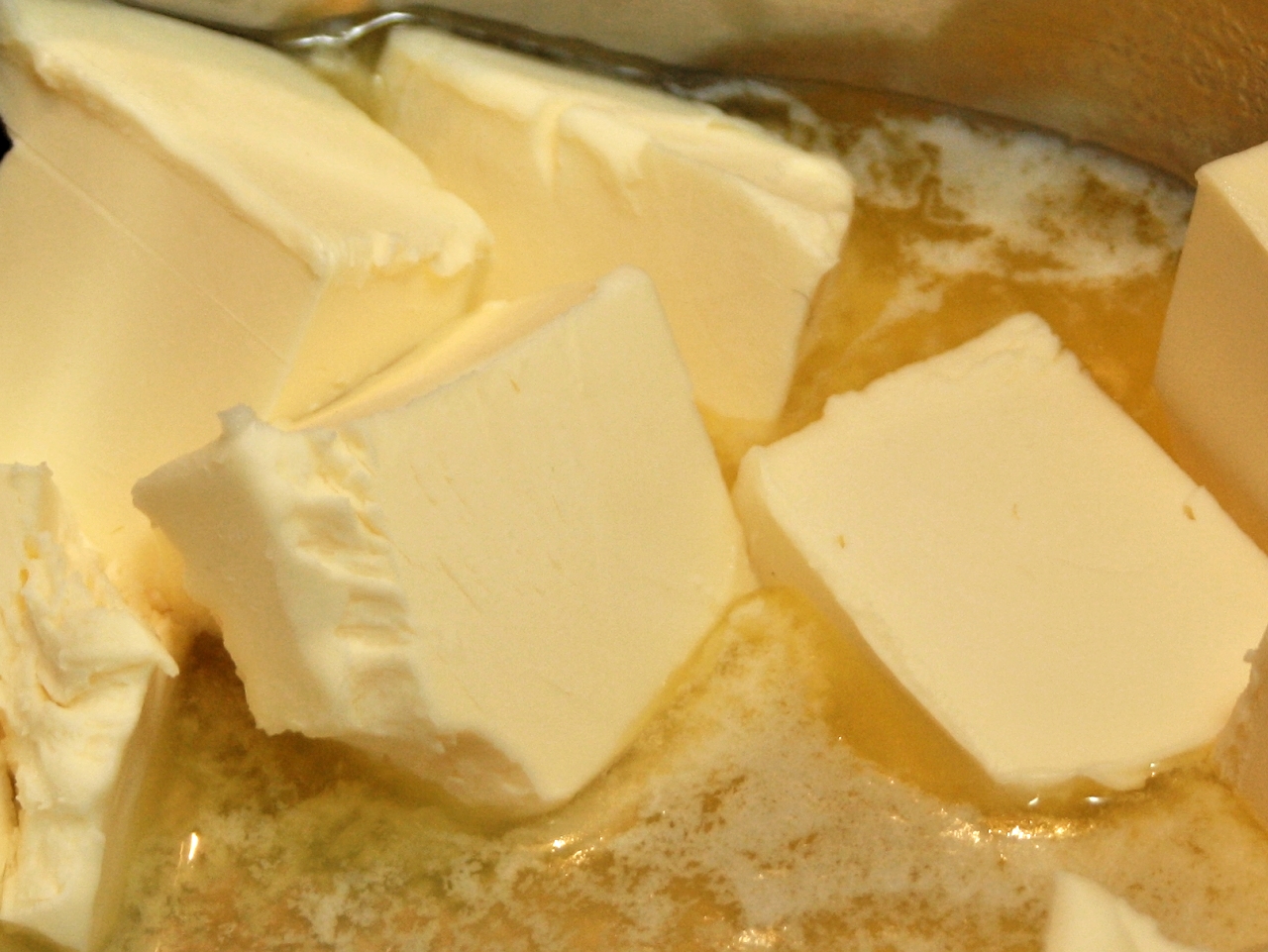
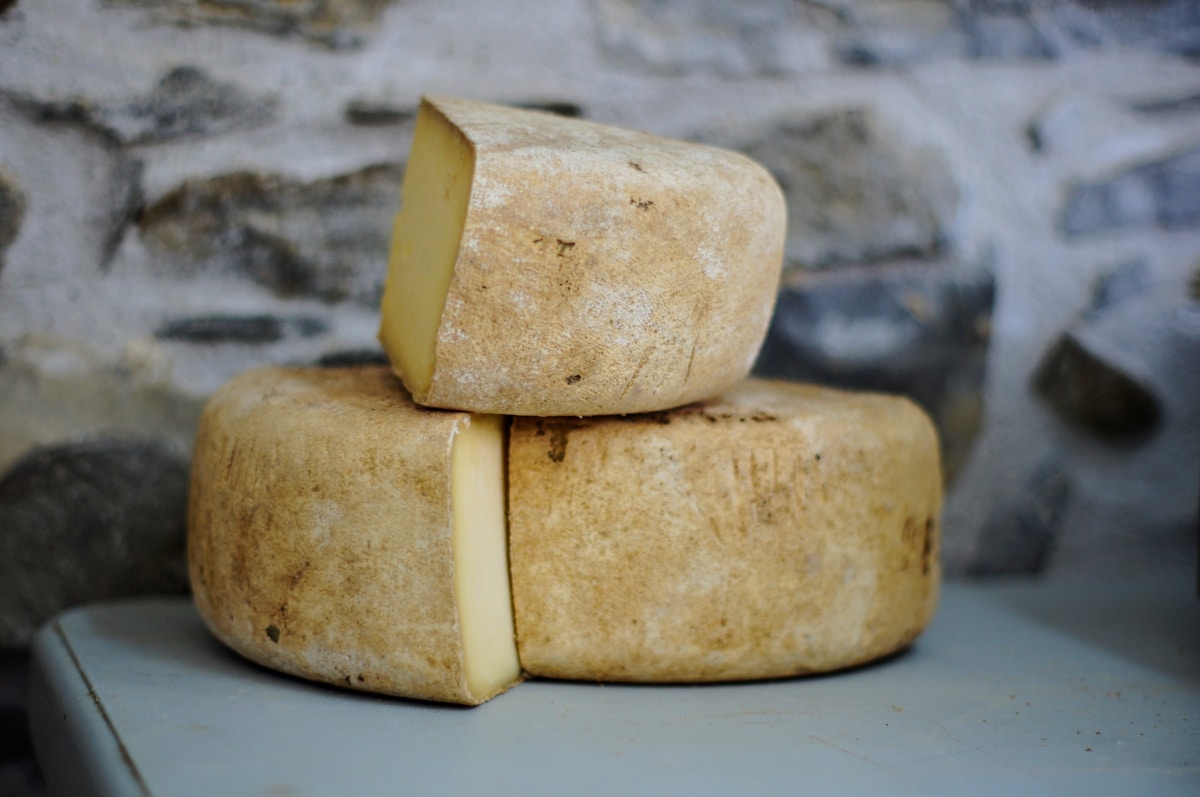
For The Foods That Shaped Us, eggs are a bridge ingredient. They connect chicken to domestication, bread to baking, butter and cheese to breakfast culture, salt to preservation, and rice to Asian comfort dishes. Their power is deceptively small: an egg is a shell around future life, but in human hands it became a portable food system, a symbol of renewal, and one of the most adaptable ingredients in the global pantry.
Historical Timeline
Humans collect and eat wild bird eggs long before domestic chickens exist
Unambiguous early chicken evidence appears at Ban Non Wat in central Thailand, according to a major reassessment of chicken domestication
Eggshell evidence from southern Central Asia shows chickens raised for eggs along Silk Road corridors
Greek and Roman food cultures use eggs in meals, sauces, sweets, and symbolic language
Eggs become tied to Christian fasting calendars and Easter symbolism in Europe while preserved eggs flourish in parts of Asia
Specialized laying breeds, artificial lighting, refrigeration, and industrial poultry systems transform egg production
FAO data show world egg production rising from about 15 million tonnes to about 93 million tonnes
Evidence Explorer
Review the Source Trail
Inspect the article sources, scoped review credits, and copyable citation details without leaving the page.
Reviewed for Stated Scope
Sources Listed
Comments
Community comments are coming soon. Check back later to join the discussion!