💡 Key Takeaways
- Tea comes from Camellia sinensis, a plant associated with southwest China; the Shen Nong discovery story is legendary, not firm historical evidence.
- Physical evidence from Han-period tombs shows tea was valued in China more than two thousand years ago, while Tang culture turned tea into a literary, aesthetic, and social practice.
- Tea moved through Buddhism, diplomacy, maritime trade, colonial companies, taxation, and plantation agriculture before becoming an everyday global drink.
- Modern tea culture ranges from gongfu cha and matcha to chai, afternoon tea, bubble tea, bottled teas, and luxury single-origin leaves.
Where did tea originate?
Tea begins with Camellia sinensis, a plant associated with southwest China and neighboring upland regions, not with a single inventor. The famous story of Emperor Shen Nong discovering tea when leaves fell into boiling water is a powerful origin myth, but historians treat it cautiously. The stronger evidence is physical: tea remains from Han-period contexts show that elite Chinese consumers valued tea more than two thousand years ago [1].
By the Tang dynasty, tea had become more than a medicinal plant or regional habit. It was a beverage with tools, technique, taste standards, poetry, social status, and specialist writing. Lu Yu's Classic of Tea, compiled in the 8th century, described cultivation, processing, utensils, water, and preparation with a seriousness that helped make tea a cultural system rather than just an infusion [2].
Tang China, Buddhism, and Tea Culture
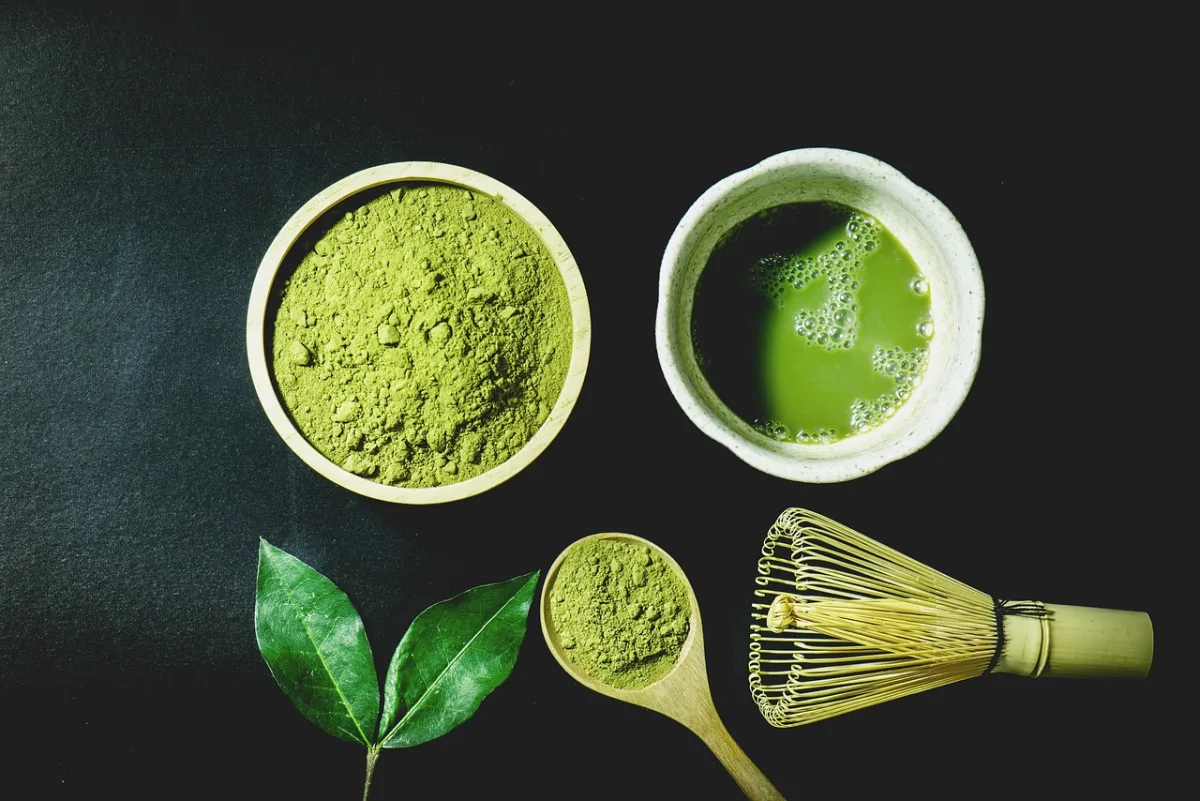
Tang China gave tea one of its most important historical forms. Tea drinking spread through literate, monastic, and elite circles, while Buddhist networks helped move tea practices toward Korea and Japan. In Japan, powdered tea traditions eventually developed into chanoyu, the tea ceremony shaped by Zen aesthetics, discipline, utensils, architecture, and ideals of attention [3].
Tea culture was never one single ritual. Chinese compressed tea, powdered tea, loose leaf tea, gongfu brewing, Japanese matcha, Tibetan butter tea, Korean tea practice, and later milk tea traditions all show how the same plant could become many different social technologies. Tea was a stimulant, a medicine, a hospitality gesture, a contemplative practice, and a marker of refinement.
Trade, Empire, and Political Power
When tea entered European maritime trade in the 1600s, it changed scale. Dutch and Portuguese merchants helped introduce it to Europe, but Britain made tea into a national habit and an imperial problem. Demand for Chinese tea reshaped trade balances, silver flows, smuggling, taxation, and eventually the British search for ways to grow tea outside China [4].
The East India Company sat at the center of this story. Tea, opium, textiles, and other trade goods connected British consumers, Chinese markets, Indian land, maritime power, and colonial finance. The Opium Wars cannot be reduced to tea alone, but Britain's tea demand and the effort to pay for it through opium trade were part of the wider commercial crisis [5].
Tea also helped trigger revolt in North America. The Boston Tea Party of 1773 turned a taxed commodity into a political symbol. What looked like boxes of leaves in a harbor was really a conflict over monopoly, taxation, representation, and imperial authority.
Assam, Plantations, and Global Supply
In the 19th century, British botanists, planters, and officials worked to break China's dominance over tea supply. Tea plants and knowledge were moved into colonial plantation systems in Assam, Darjeeling, Ceylon, and beyond. This was not a neutral agricultural transfer. It involved land control, labor regimes, imperial science, and the conversion of a Chinese-dominated luxury into a mass commodity [4].
The result was modern black tea culture at scale: breakfast tea, factory processing, auctions, tea chests, railways, plantations, blending houses, and branded packets. Tea became cheaper and more ordinary for consumers, while production regions bore the harder histories of labor, extraction, and dependence on export markets.
How is tea used today?
Today tea is both everyday and elite. It appears as Chinese gongfu cha, Japanese matcha, British afternoon tea, Indian chai, Moroccan mint tea, Turkish cay, Taiwanese bubble tea, bottled iced tea, herbal blends, and high-end single-origin leaves. Some of these are ancient practices; others are modern inventions built from older habits [3].
Tea remains powerful because it can be quiet or political, cheap or luxurious, domestic or ceremonial. It is a plant, a colonial commodity, a social ritual, a café drink, a wellness symbol, and a global consumer product. Few foods show so clearly how a leaf can move from mountain ecology to empire, identity, and daily comfort.
In the news
Recent 2026 food-culture notes that reference this article.
- Jul 14, 2026CHAGEE Opens in San Diego as Its U.S. Teahouse Push Expands→
- Jul 2, 2026Jasmine Tea Perfume History→
- Jul 2, 2026Tea Beyond Matcha: A Hub Guide→
- Jul 2, 2026Hojicha in Savory Sauces→
- Jul 2, 2026Teatime as the New Happy Hour 2026→
- Jul 2, 2026Masala Chai vs Cafe Chai Latte→
- Jul 2, 2026Butter Tea: Tibetan Salty Tea Tradition→
- Jul 2, 2026Thai Iced Tea: Spiced Milk Tea History→
- Jul 1, 2026Oolong Milk Tea vs Matcha Latte→
- Jul 1, 2026Ataya: West African Gunpowder Tea Ritual→
- Jul 1, 2026Genmaicha: Roasted Rice Tea Moment→
- Jun 24, 2026Kombucha: From Tea Wine to Cooler Aisle→
- Jun 20, 2026Grass Jelly: Herbal Dessert Drink Going Global→
- Jun 17, 2026Hojicha vs Matcha Caffeine: Roast vs Shade→
- Jun 16, 2026Jasmine, Peach, Oolong, Matcha: Hybrid Tea Drinks→
Historical Timeline
Tea remains are associated with the Han Yangling Mausoleum near Xi'an
Lu Yu writes The Classic of Tea during the Tang dynasty
Tea practices travel with Buddhist networks into Japan and Korea
Dutch traders bring tea to Europe through maritime commerce
The Boston Tea Party turns taxed tea into a revolutionary symbol
British imperial trade, opium, and Chinese tea demand help trigger the First Opium War
Assam, Darjeeling, Ceylon, and other plantation zones reshape global tea supply
Evidence Explorer
Review the Source Trail
Inspect the article sources, scoped review credits, and copyable citation details without leaving the page.
Reviewed for Stated Scope
Sources Listed
Comments
Community comments are coming soon. Check back later to join the discussion!