💡 Key Takeaways
- Chocolate begins with cacao, a tropical tree whose deepest domestication evidence points to the Upper Amazon before cacao became central to Mesoamerican ritual, exchange, and elite foodways.
- Maya and Aztec chocolate was usually a bitter, foamy drink flavored with ingredients such as chili, maize, vanilla, or flowers, not a sweet solid candy bar.
- European chocolate changed when colonizers combined cacao with sugar, cinnamon, milk, and industrial processing, turning an elite beverage into mass confectionery.
- Modern chocolate still carries the history of luxury and commodity power, from single-origin bars and viral filled chocolates to unresolved labor, deforestation, and farmer-income challenges.
Cacao Before Candy
Chocolate begins with cacao, not candy. The cacao tree, Theobroma cacao, is native to the humid tropics of the Americas, and recent archaeological and genetic work has pushed the deepest domestication story toward the Upper Amazon. A 2018 Nature Ecology & Evolution study found evidence for cacao use at Santa Ana-La Florida in present-day Ecuador about 5,300 years ago, long before the better-known Mesoamerican chocolate traditions [1].
That finding matters because it separates the origin of cacao from the origin of chocolate as a cultural drink. Cacao likely moved, changed, and acquired new meanings as people carried seeds, pods, tastes, and processing knowledge through the Americas. By the time cacao appears in early Mesoamerican contexts, it had become more than a fruit tree. It was becoming a social substance.
Maya and Aztec Chocolate: Drink, Ritual, and Currency
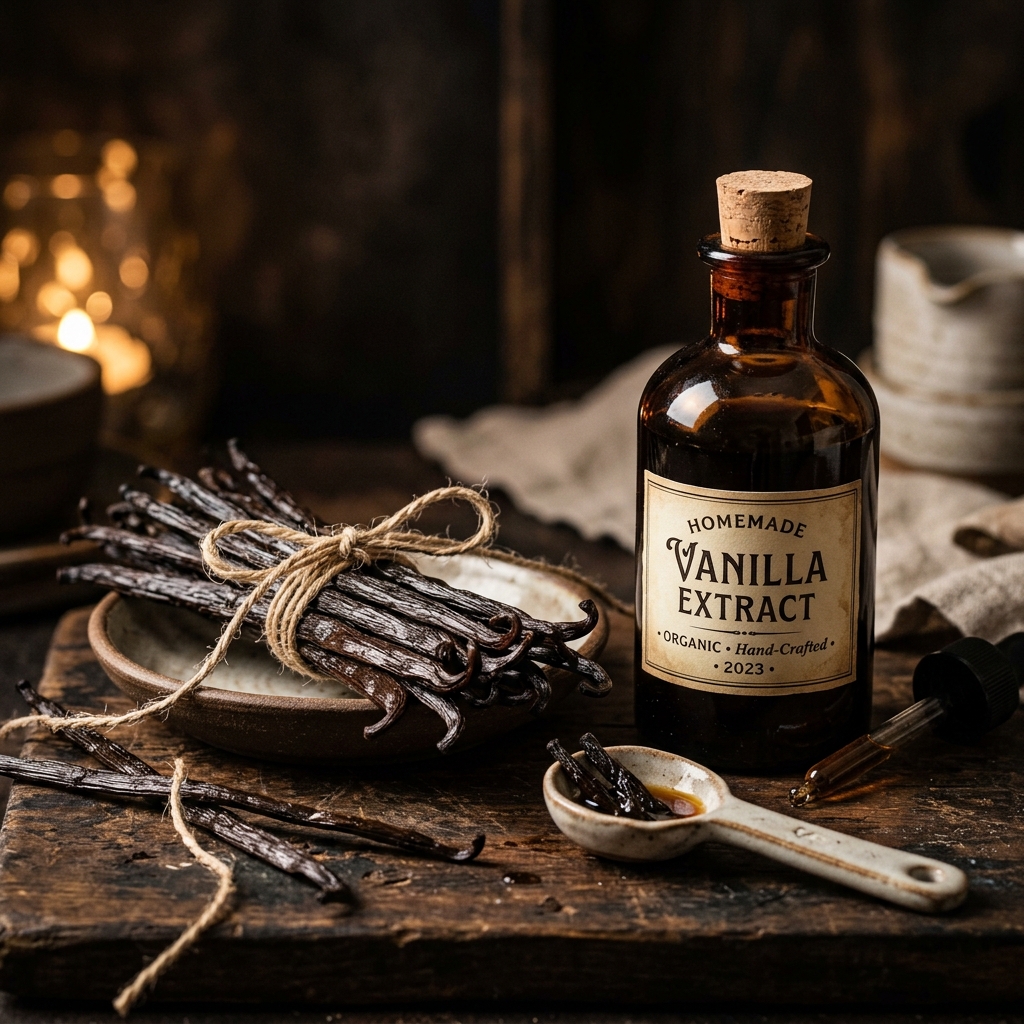
In Mesoamerica, chocolate was usually a drink: bitter, foamy, aromatic, and often mixed with ingredients such as maize, chili, vanilla, flowers, or spices. It was not a candy bar. Maya vessels and images show cacao drinks in elite settings, and the Metropolitan Museum of Art notes that pouring chocolate from one vessel to another helped create the valued foam [3].
Cacao also carried status and exchange value. Maya and later Aztec societies used cacao in ritual, feasting, marriage negotiations, tribute, and market exchange. Since cacao did not grow well everywhere, its movement made it precious. In central Mexico, cacao reached the Aztec world through tribute and trade, making the bean both an ingredient and a kind of portable wealth [2][4].
Colonial Sugar and the European Taste for Chocolate
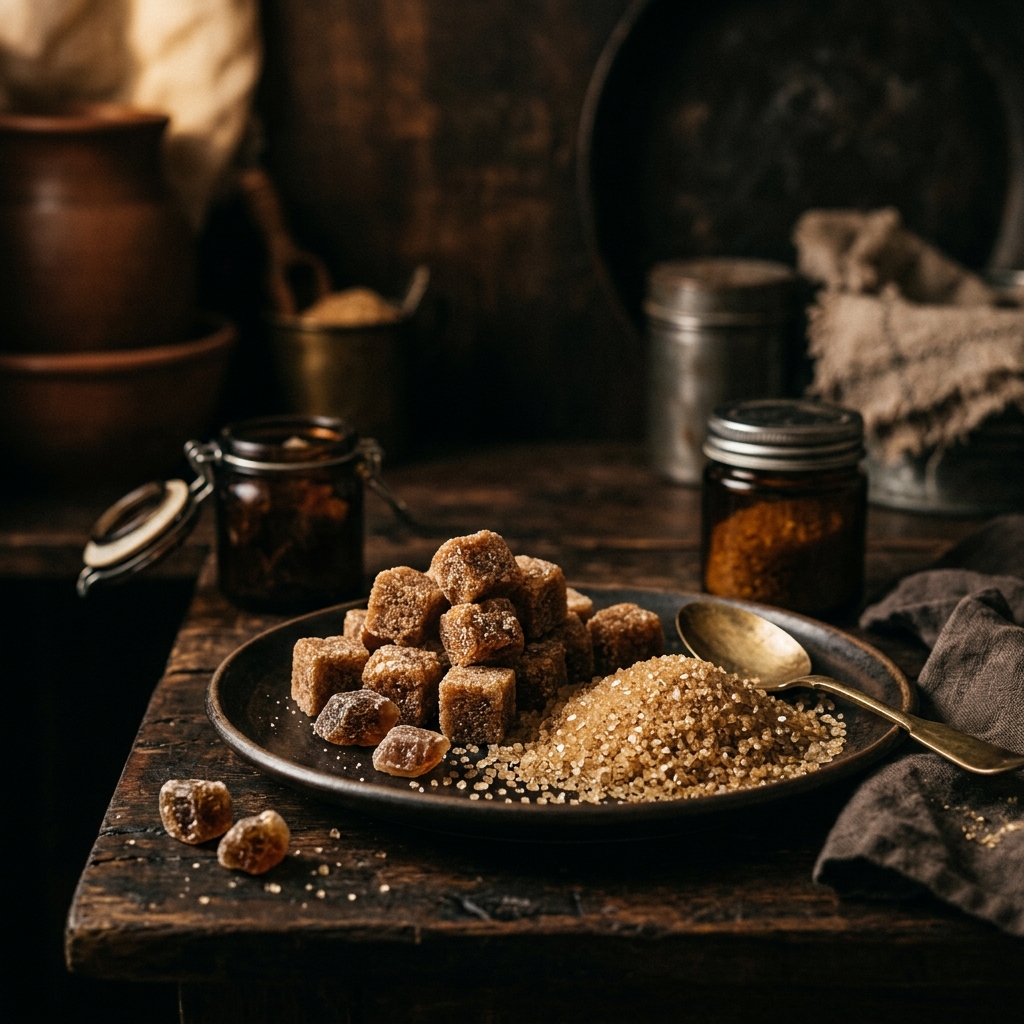
When cacao entered Spanish colonial circuits, chocolate changed again. Europeans did not simply discover a ready-made sweet. They reshaped an Indigenous American drink through colonial taste, sugar, cinnamon, vanilla, milk, and elite service rituals. Sugar was the turning point: it made bitter cacao fit European ideas of luxury, medicine, hospitality, and fashionable consumption [2][4].
That sweetness had a cost. Chocolate's European rise belongs beside the histories of sugar plantations, Atlantic slavery, and colonial extraction. The chocolate cup that looked refined in European houses depended on supply chains that connected American cacao, Caribbean sugar, colonial labor, and imperial commerce. Chocolate became desirable because taste and power traveled together.
From Drinking Chocolate to the Chocolate Bar
Solid eating chocolate is a modern invention. Britannica traces major industrial steps through the nineteenth century: van Houten's cocoa press in 1828, Fry's molded eating chocolate in 1847, and later milk chocolate and conching technologies that made chocolate smoother, sweeter, and easier to mass produce [4]. The Smithsonian's Fry object record also identifies Fry's role in creating an early molded eating bar [5].
These technologies changed chocolate's meaning. A drink once associated with ceremony, medicine, and aristocratic service became a portable bar, a factory product, a children's treat, a wartime ration, and a global brand. Industrial chocolate did not erase luxury chocolate; it split the category in two. Chocolate could be cheap candy and rarefied gift at the same time.
Luxury Bars, Viral Fillings, and Cacao Ethics
The newest wave of chocolate culture repeats an old pattern: chocolate becomes a stage for status. Single-origin bars, bean-to-bar makers, luxury bonbons, pistachio-filled bars, gold packaging, and viral desserts all sell more than sweetness. They sell origin, scarcity, texture, and spectacle. Dubai chocolate, a recent viral bar associated with pistachio cream, kataifi, tahini, and knafeh inspiration, is new in form, but it belongs to a much older chocolate story: cacao as a luxury object shaped by trade, branding, and desire [7].
At the same time, modern chocolate cannot be separated from ethics. Cocoa farming remains tied to poverty, child labor risks, farmer-income struggles, and deforestation pressures, especially in major West African producing regions [6]. The modern question is not only who gets to enjoy chocolate. It is who carries the cost of making it affordable, beautiful, and constantly available.
How Chocolate Is Used Today
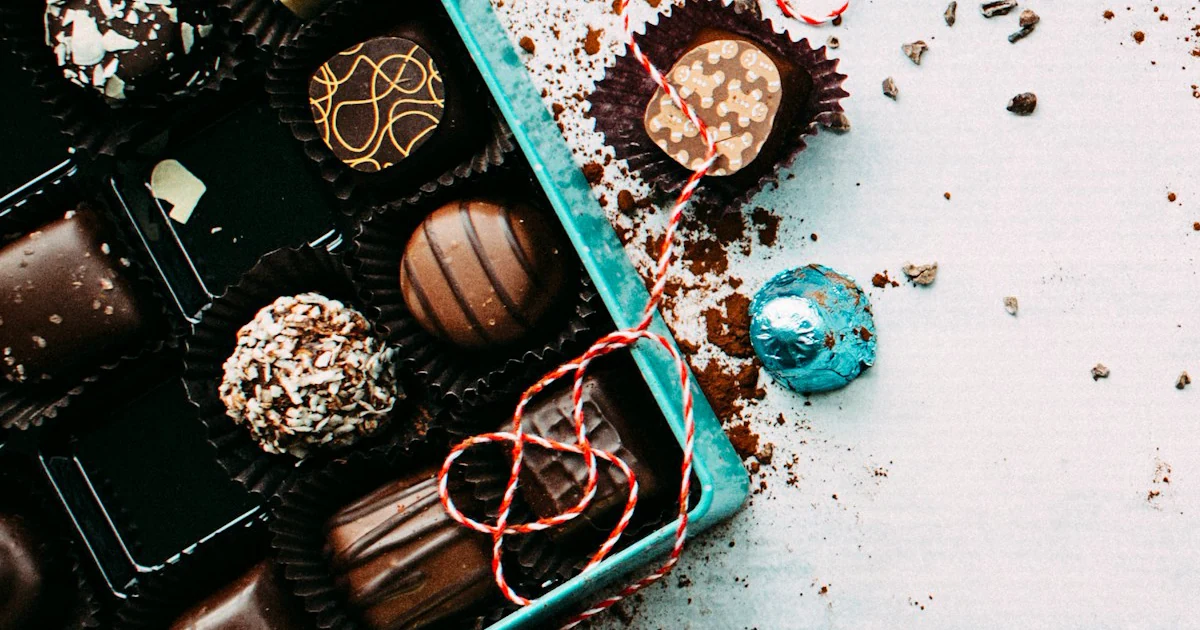
Today chocolate appears as drinking chocolate, cocoa powder, dark bars, milk chocolate, white chocolate, truffles, pralines, ganache, cakes, cookies, mole sauces, ice cream, breakfast spreads, energy bars, luxury gifts, and viral filled confections. It pairs naturally with sugar, vanilla, cinnamon, coffee, chili pepper, nuts, dairy, fruit, and salt.
Its history explains why chocolate feels unusually emotional. It has been ritual drink, tribute, currency, medicine, colonial luxury, industrial candy, ethical dilemma, and digital-age status symbol. Few foods have traveled so far from their first forms while keeping the same basic tension: chocolate is pleasure, but it is also power.
In the news
Recent 2026 food-culture notes that reference this article.
Historical Timeline
Archaeological evidence from the Upper Amazon shows early cacao use and domestication
Cacao beverages appear in early Mesoamerican contexts such as the Soconusco region
Maya elites drink foamy cacao beverages from painted vessels and connect cacao to status and ritual
Cacao circulates in Aztec tribute, markets, elite drinking culture, and colonial accounts
Cacao enters Spain and Europe, where sugar and spice reshape chocolate as an elite beverage
Coenraad van Houten patents a cocoa press that helps separate cocoa butter from cocoa solids
J. S. Fry & Sons produces an early molded eating chocolate bar in Britain
Milk chocolate and conching help create the smoother industrial chocolate associated with modern confectionery
Luxury bars, single-origin chocolate, and viral filled bars renew interest in chocolate as status food
Evidence Explorer
Review the Source Trail
Inspect the article sources, scoped review credits, and copyable citation details without leaving the page.
Reviewed for Stated Scope
Sources Listed
Comments
Community comments are coming soon. Check back later to join the discussion!