💡 Key Takeaways
- Vinegar is not a crop. It forms when acetic acid bacteria convert alcohol into acetic acid in the presence of oxygen.
- Ancient vinegar likely appeared wherever beer, wine, cider, rice wine, or date alcohol was left exposed to air and began to sour.
- Its historical power came from acidity: vinegar flavored food, preserved vegetables and sauces, supported household uses, and made drinks such as Roman posca.
- Modern vinegar ranges from industrial white vinegar to wine, rice, malt, cider, sherry, and balsamic styles shaped by raw material, fermentation, and aging.
Where did vinegar originate?
Vinegar is best understood as an elegant accident of fermentation, not as a plant, crop, or harvested food. It appears when alcohol meets oxygen and acetic acid bacteria. These bacteria, including Acetobacter and related groups, oxidize ethanol into acetic acid, creating the sharp sourness that defines vinegar [1][2].
The basic chain is simple: sugars become alcohol through yeast fermentation, then alcohol becomes vinegar through acetic fermentation. In shorthand: sugars --(yeast, low oxygen)--> alcohol --(acetic acid bacteria, oxygen)--> vinegar. Unlike sourdough, where yeasts and lactic acid bacteria work inside dough, vinegar is a second-stage transformation rather than a field-grown ingredient [1][2].
Vinegar could therefore appear wherever people made alcoholic drinks and left them exposed: wine, beer, cider, rice wine, date wine, fruit alcohol, or other fermented liquids. Ancient Near Eastern and Mediterranean food cultures almost certainly knew this transformation early because spoiled wine was not useless. Once people learned to control souring, vinegar became a tool for flavor, preservation, pickling, household acidity, and making fragile foods last longer [1][3].
Acidity Before Refrigeration
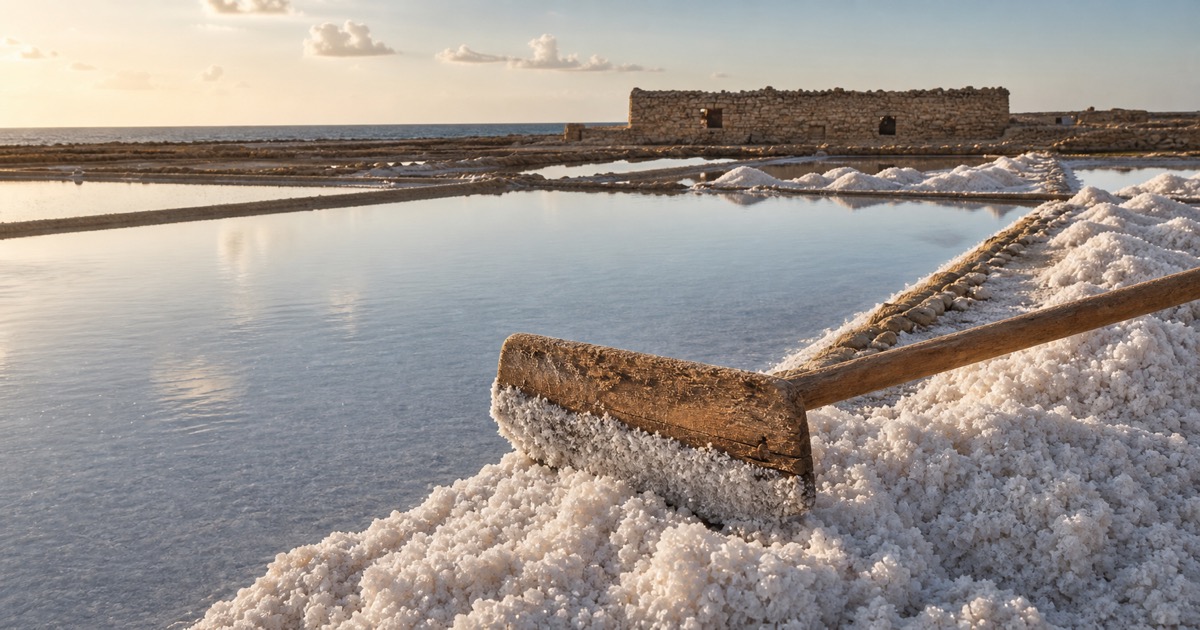
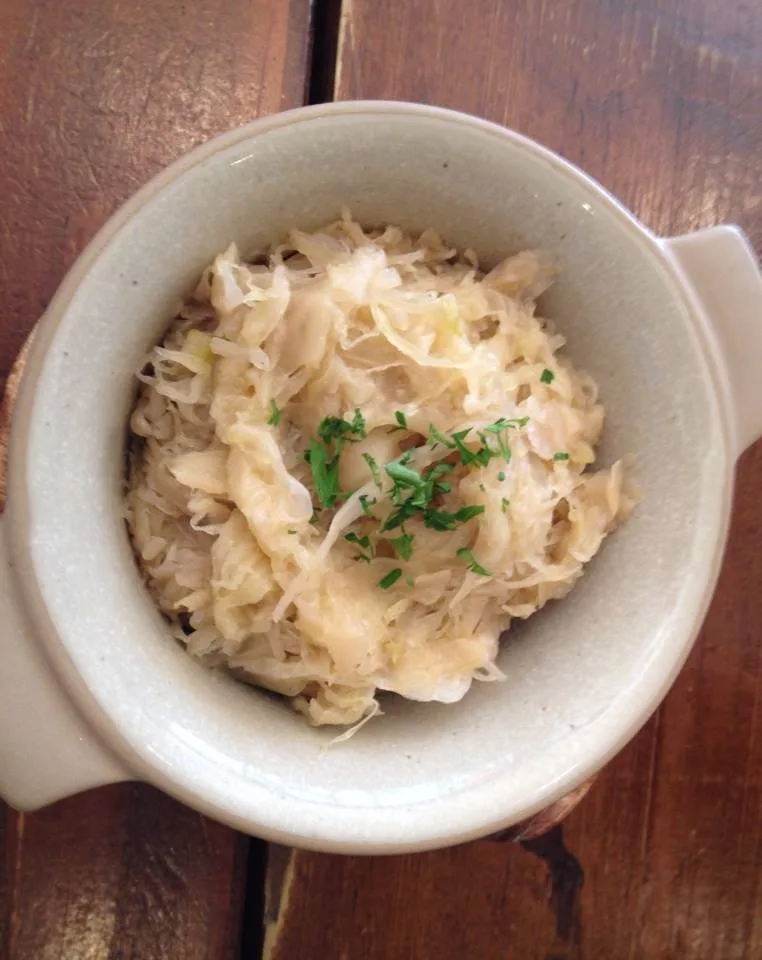
Long before the advent of artificial refrigeration or industrialized canning, humanity relied on a select few preservation technologies to survive seasonal scarcity. Alongside salt curing, garum production, sun drying, and other wild fermentation methods, vinegar served as a critical preservation agent. Similar to the lactic acid that preserves sauerkraut and kimchi in Eastern European and Asian traditions, the acetic acid in vinegar acts as a chemical shield. Submerging perishables in vinegar or acidic brines assists in lowering pH and making conditions less favorable for many spoilage organisms when used with appropriate salt, acidity, and preservation methods. This acid shield was frequently combined with salt to pickle vegetables, preserve fish, and prepare stable condiments like mustard [3][4][6].
This preservation power was utilized early in the ancient Near East. In Babylon and broader Mesopotamia, sour liquids derived from date palm wine, raisin extracts, beer, and other fruit alcohols were systematically produced. These early vinegars were used in sour preparations, pickling, and preservation contexts across Near Eastern and Mediterranean food cultures, a wider pattern explored in the site's fermented foods collection [7].
In the Greco-Roman world, vinegar's accessibility made it a staple of everyday life. Posca offered a cheap, sharp, easy-to-mix drink associated with soldiers, laborers, and ordinary people. While modern folklore occasionally overclaims posca as an official military ration designed to cure dysentery, ancient sources confirm it primarily as a standard, hydrating beverage of the working class and military, valued for its sharp taste and simple preparation [5][6].
Why Vinegars Taste Different
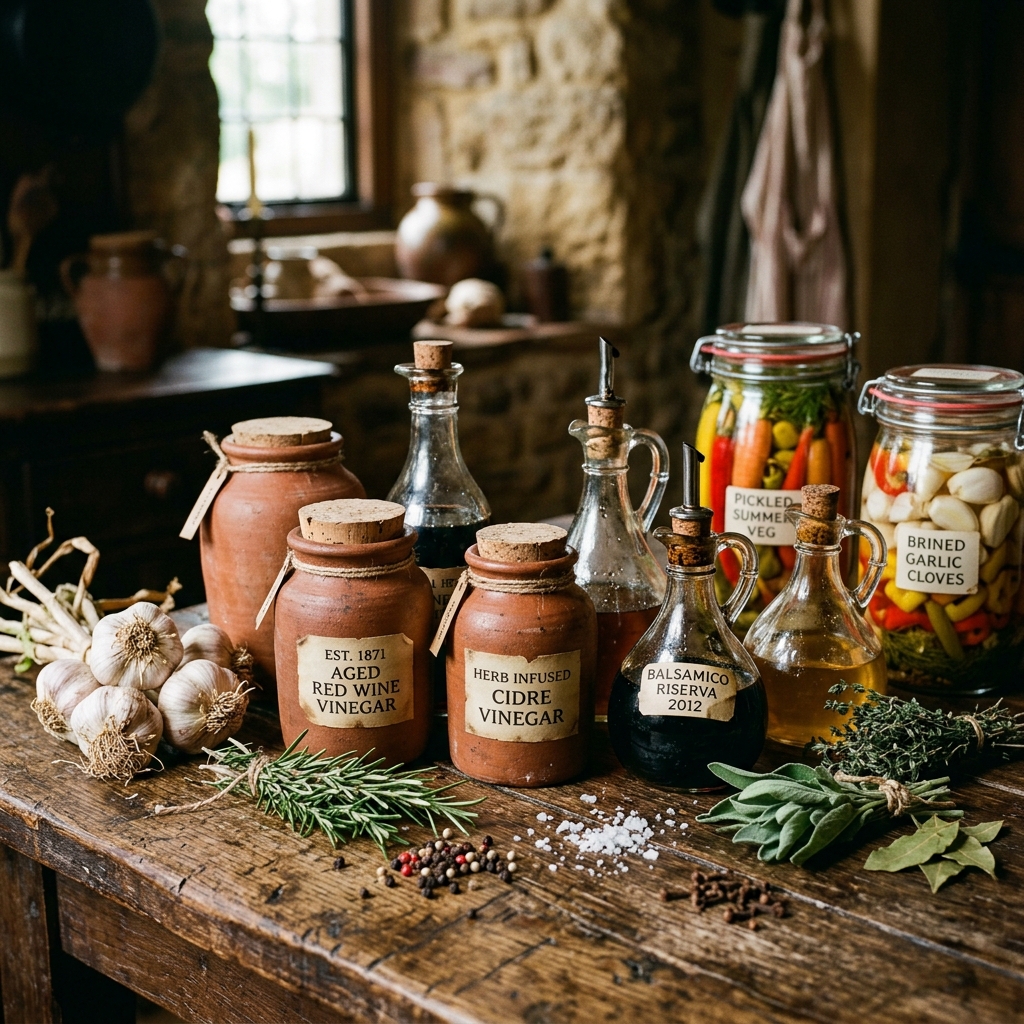
The vast sensory differences among vinegars are determined by their base alcohol, the raw materials used, residual sugars, filtration practices, and the duration and vessels of aging. Because acetic fermentation is a transformation of an existing alcohol, the final acid retains volatile compounds from the original ingredient. White distilled vinegar represents the industrial standard of purity; made by feeding pure ethanol (typically distilled from corn or grain) to bacteria in high-oxygen vats, it contains no residual sugars, yielding a neutral, clean, and aggressively sharp 5% acidity liquid [9].
Other vinegars preserve the character of their agricultural origins. Apple cider vinegar is produced through a two-step wild fermentation (apples to cider, cider to vinegar) and is often left unfiltered, containing residual malic acid and fragments of the cellulose-rich bacterial 'mother' [1]. Rice vinegar, fermented from rice-based alcohol, offers a softer culinary acidity that is central to East Asian food preparation. Malt vinegar relies on a grain or malted barley base, providing a toasted, robust profile. Wine vinegar, produced from grape wine, carries the esters, tannins, and complexities of the vineyard [3].
The pinnacle of historical vinegar concentration is traditional balsamic vinegar. Authentic Aceto Balsamico Tradizionale di Modena (PDO) is unique; unlike standard wine vinegar, traditional balsamic begins with cooked grape must rather than finished wine. The concentrated must undergoes an incredibly slow, multi-decade aging process inside a series of wooden barrels of decreasing size (made of oak, chestnut, cherry, ash, and mulberry). Over twelve to twenty-five years, evaporation concentrates the liquid into a viscous, dark condiment where natural sugars, wood tannins, and acetic acidity balance perfectly to create an intense, complex aroma [8].
How did vinegar evolve over time?
Vinegar spread because alcohol spread. Grape-growing regions made wine vinegar; grain cultures could make malt vinegar; East Asian rice cultures developed rice vinegar; apple-growing regions made cider vinegar. The history is not a single origin crop moving along one trade route. It is a recurring discovery: different societies learned that alcohol could become a useful acid [1][3].
In the Roman world, vinegar was everyday technology. It seasoned sauces, preserved foods, and flavored posca, a sour drink made from vinegar diluted with water and sometimes herbs or other seasonings. Posca was associated with soldiers, laborers, and ordinary people because it was cheap, refreshing, and easy to mix from ordinary supplies [5].
Medieval and early modern kitchens relied on vinegar for acidity before lemons became widely available in many northern European contexts. Alongside verjuice, brines, salt, smoke, and fermentation, vinegar gave cooks a way to balance fat, sharpen sauces, pickle vegetables, and stretch harvests beyond their fresh season [3][6].
Why is vinegar culturally important?
Vinegar matters historically because acidity changed what food could do. It made pickles possible, helped preserve vegetables and fruits, brightened sauces, cut through fatty meats, and gave households a way to keep seasonal produce edible longer. In that sense, vinegar belongs beside salt, drying, smoking, fermentation, and fish sauce as one of the quiet preservation technologies behind everyday civilization [4][6].
Its cultural forms are local. Rice vinegar shapes sushi rice, pickles, and dressings in East Asian cuisines. Wine vinegar anchors Mediterranean sauces and marinades. Malt vinegar became attached to British fried foods. Cider vinegar belongs naturally to apple-growing regions. Balsamic vinegar developed into a prestige aged condiment in northern Italy. What unites these forms is not a field or growing region, but the conversion of a local alcohol into a local acid [1][3].
How is vinegar used today?
Today vinegar appears in pickles, chutneys, salad dressings, mustard, mayonnaise, hot sauces, barbecue sauces, marinades, sushi rice, adobo, escabeche, gastriques, shrubs, and countless household preparations. Industrial white vinegar offers predictable acidity for kitchens and food production, while artisan vinegars emphasize raw material, aging vessel, regional style, and aromatic complexity [1][4].
The future of vinegar is not about protecting a field-grown ingredient, because vinegar is produced through fermentation rather than cultivation. Its real vulnerabilities sit upstream in the ingredients that become alcohol: grapes, apples, rice, barley, sugarcane, dates, and other fermentable materials. Climate change can affect those crops, but vinegar itself is made through microbial transformation in vats, barrels, generators, or controlled industrial systems. The historically honest story is therefore fermentation, not agriculture: people turned sour alcohol into one of the world's most useful acids.
In the news
Recent 2026 food-culture notes that reference this article.
- Jul 8, 2026Drinking Vinegar and Shrubs Are Back — an Old Preserving Acid in a New Glass→
- Jun 29, 2026Malt Vinegar and the British Chip Shop→
- Jun 29, 2026Rice Vinegar and Japanese Pickling→
- Jun 29, 2026Chinese Black Vinegar (Chinkiang)→
- Jun 29, 2026Sekanjabin: Persian Sweet-Sour Drink Lineage→
- Jun 28, 2026Shrubs in Colonial America→
- Jun 28, 2026What Is a Shrub Drink?→
- Jun 27, 2026Balsamic of Modena: DOP Prestige, Grocery Labels, and the Real Thing→
- Jun 27, 2026Apple Cider Vinegar Went From Folk Remedy to Grocery Aisle Staple→
- Jun 25, 2026The Vinegar Mother, Explained→
Historical Timeline
Alcoholic drinks sour naturally when exposed to oxygen and acetic acid bacteria
Date, grape, and grain alcohols provide early bases for sour fermented liquids
Vinegar is mixed with water and herbs in posca, a sharp everyday drink associated with soldiers and workers
Vinegar and verjuice supply acidity in European kitchens before citrus becomes widely available
Microbiology helps explain acetic fermentation and improves controlled vinegar production
Industrial and artisanal methods produce wine, rice, cider, malt, sherry, balsamic, and distilled vinegars
Evidence Explorer
Review the Source Trail
Inspect the article sources, scoped review credits, and copyable citation details without leaving the page.
Reviewed for Stated Scope
Sources Listed
Comments
Community comments are coming soon. Check back later to join the discussion!