💡 Key Takeaways
- Mushrooms are neither plants nor animals; they belong to their own biological kingdom (Fungi) and are genetically closer to humans than they are to plants.
- For centuries, mushrooms were feared in Europe as agents of death and witchcraft ("toadstools"), while simultaneously revered in Asia as medicines of immortality.
- The modern button mushroom was first cultivated in the 17th century in the abandoned catacombs beneath Paris, creating a massive, dark agricultural industry.
Where did mushrooms originate?
To understand the history of mushrooms as food, one must understand that they are fundamentally alien to the rest of the human diet. Mushrooms are not plants; they cannot photosynthesize sunlight. They belong to the Fungi kingdom. The part we eat is merely the reproductive organ (the fruiting body) of a vast, subterranean web of mycelium that survives by secreting powerful enzymes to dissolve dead organic matter. Because they grow rapidly in the dark, often appearing overnight after a rainstorm, ancient humans viewed them with deep suspicion and awe [1].
The earliest evidence of humans eating mushrooms was found at an archaeological site in Monte Verde, Chile, dating back over 13,000 years. However, the most famous prehistoric consumer was "Ötzi," a mummified man found frozen in the Alps from 3,300 BCE. Ötzi was carrying two different types of fungi: a tinder fungus used to start fires, and a birch polypore, which modern scientists know possesses powerful antibacterial and anti-parasitic properties. From the very beginning, humans recognized that fungi were powerful, serving as both food and medicine [2].
How did mushrooms evolve over time?
Historically, the world was sharply divided in its attitude toward mushrooms: mycophilic (mushroom-loving) and mycophobic (mushroom-fearing) cultures. In East Asia, particularly China and Japan, fungi like the Shiitake and Reishi were deeply revered. They were heavily incorporated into traditional medicine as elixirs of life and vitality, and foraging for wild mushrooms in the autumn was a celebrated cultural tradition [1].
Conversely, Western Europe (particularly England) was deeply mycophobic. Because certain highly toxic mushrooms (like the Death Cap) looked identical to edible ones, and because they grew in dark, decaying places, the English associated them with decay, poison, and witchcraft. They dismissively called them "toadstools" (implying they were seats for poisonous toads). For centuries in Britain, eating wild mushrooms was considered an act of desperation by the starving poor [2].
Why is mushrooms culturally important?
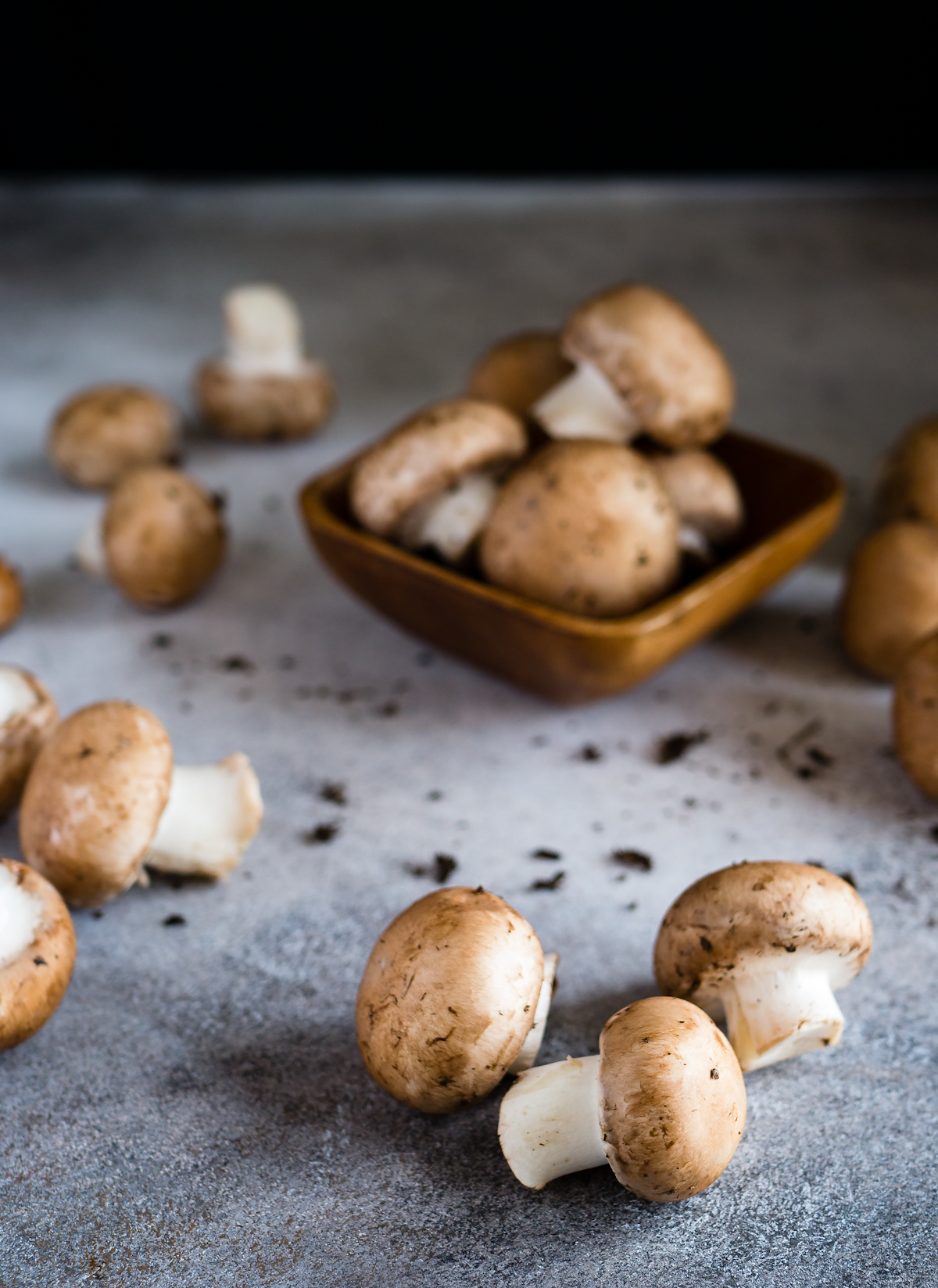
The Western fear of fungi was broken by the French. In the 1650s, a melon grower near Paris noticed that edible mushrooms were sprouting naturally on the discarded horse manure used to fertilize his melons. He realized that by controlling the temperature and moisture of the manure, he could reliably cultivate the fungus. When the catacombs and abandoned limestone quarries beneath Paris were left empty, farmers moved their manure beds underground, taking advantage of the constant cool temperatures and total darkness. This created the *Champignon de Paris* (the white button mushroom), transforming a terrifying wild fungus into an elite, highly controlled French delicacy [3].
This French technique was exported to the United States in the late 19th century, specifically to Kennett Square, Pennsylvania (which today produces half of all mushrooms consumed in America). By learning to mass-cultivate a single species (*Agaricus bisporus*) in giant, climate-controlled warehouses, the agricultural industry made mushrooms safe, cheap, and entirely divorced from their wild, mysterious origins [1].
Modern Renaissance
Today, the culinary world is experiencing a massive mycological renaissance, moving far beyond the bland white button mushroom. As global supply chains have improved, Asian varieties like Shiitake, Oyster, and Enoki are grown worldwide, prized for their rich umami flavor (derived from naturally occurring glutamates). Furthermore, high-end gastronomy relies heavily on wild-foraged fungi that absolutely refuse to be cultivated by humans, such as the highly symbiotic Truffle, Chanterelle, and Matsutake. These wild fungi command exorbitant prices because they can only be found by expert foragers in ancient, undisturbed forests [3].
Beyond the kitchen, fungi are being heralded as a potential savior for the planet. Scientists and designers are using mycelium to create sustainable, biodegradable packaging to replace styrofoam, brewing it into leather alternatives for the fashion industry, and utilizing certain species to clean up oil spills and digest plastic waste. The organism that ancient Europeans feared as an agent of death is now recognized as the ultimate recycler of life [1].
Historical Timeline
First archaeological evidence of humans eating mushrooms in Chile
Hippocrates uses the Amadou mushroom as a powerful anti-inflammatory and cauterizing agent
A melon grower in Paris accidentally discovers how to cultivate the white button mushroom on horse manure
The mass industrialization of Penicillium (a fungus) revolutionizes global medicine
The Matsutake mushroom becomes the world's most valuable wild fungus, driven by the Japanese gift economy
Evidence Explorer
Review the Source Trail
Inspect the article sources, scoped review credits, and copyable citation details without leaving the page.
Sources Listed
Comments
Community comments are coming soon. Check back later to join the discussion!