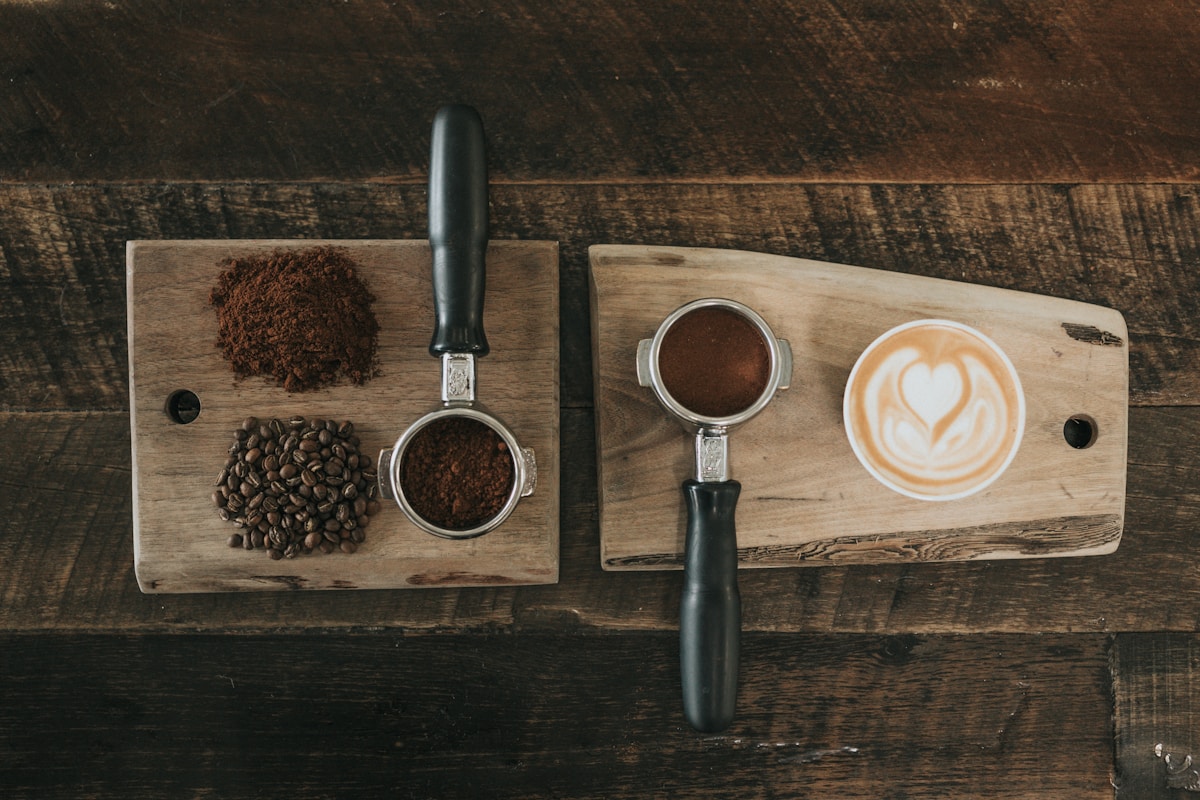
Chicory Root Went From Wartime Coffee to Inulin Fiber Darling
Chicory root roasted as a coffee extender in lean times. In 2026 it returns as inulin — a prebiotic fiber ingredient — with the same plant behind both stories.
Chicory root (Cichorium intybus) was roasted and brewed as a coffee substitute and blender — famously in New Orleans and in wartime Europe when coffee was scarce. The same root yields inulin, a fiber now marketed in prebiotic foods. The 2026 fiber wave reframes an old stand-in crop as a functional ingredient.
What's happening
Inulin from chicory root appears on 2026 fiber and prebiotic ingredient lists alongside psyllium and other gut-health pantry items [1][2]. At the same time, chicory coffee blends remain a regional taste — especially New Orleans-style cups — keeping the roast-and-brew story alive.
One plant, two product aisles: beverage nostalgia and fiber marketing.
The history behind it
Chicory is a Mediterranean and European composite whose root, roasted and ground, yields a dark, bitter brew used to stretch or replace coffee in shortages and as a deliberate local blend [3][4]. French and Louisiana coffee cultures made chicory-coffee a taste identity, not only a hardship ration.
Industrial food science later extracted inulin, a fructan fiber stored in the root, for processed foods and supplements — a twentieth- and twenty-first-century second career.
Why it matters
The food-history value is continuity of use under new names. Wartime coffee extender and prebiotic inulin are the same botanical root meeting different scarcities and desires. Pair with coffee and psyllium histories below.
How to try it
Brew a New Orleans-style coffee-chicory blend for the roasted-root cup, or notice chicory inulin on fiber bar and yogurt labels as the same species in powder form. Neither use is a medical prescription — both are cultural uses of a bitter root. For coffee and fiber context, read below.
📖 Read the full history
Trend Desk notes are timely. The durable history behind each trend lives in these articles and collections.
Fiber and Ancient Grains
Explore the full collection →
Coffee
The evidence-led story of an African plant, a Yemeni brewing culture, the port of Mocha, and the coffeehouses that carried coffee worldwide
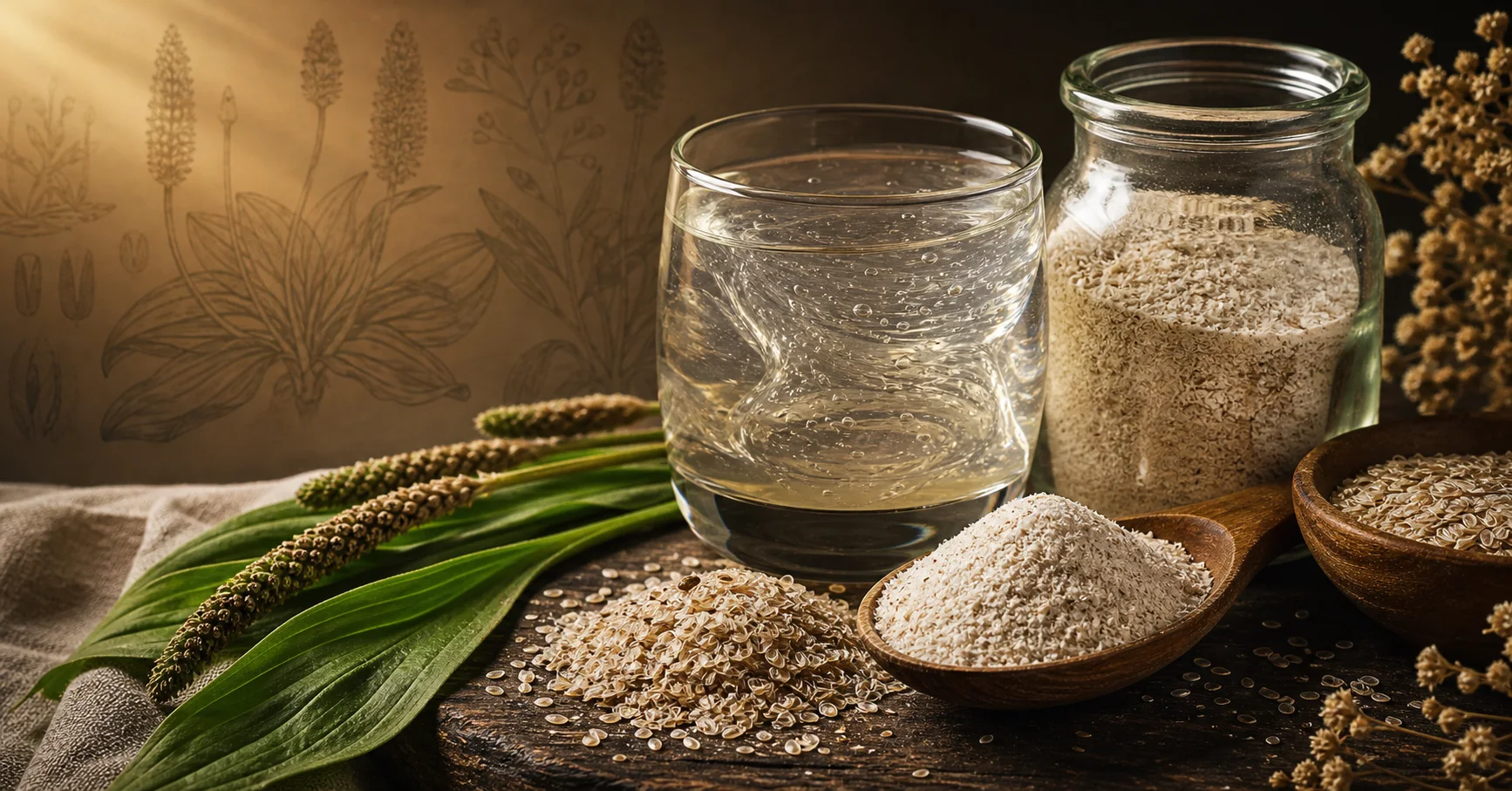
Psyllium
The tiny Plantago seed husk that moved from medicinal mucilage and pharmacy shelves into fibermaxxing, food thickening, and modern gut-health marketing
Comments
Community comments are coming soon. Check back later to join the discussion!