Chili Crisp on Everything — and the Lao Gan Ma Pantry Logic Behind It
Chili crisp became a 2026 default condiment: crunchy chili oil spooned onto eggs, pizza, and ice cream, built on Chinese chili-oil traditions popularized globally by Lao Gan Ma.
Chili crisp is the 2026 "on everything" condiment: a crunchy mix of fried chili flakes, aromatics, and oil spooned onto eggs, noodles, pizza, and more. The jar format feels new in Western pantries; the logic is old Chinese chili oil, with Lao Gan Ma among the brands that carried the style worldwide after chilies arrived in Asia from the Americas.
What's happening
Chili crisp — also sold as chili crunch — is the default heat of 2026 home cooking: a spoonful of oily, crunchy chili flakes and garlic on scrambled eggs, avocado toast, dumplings, pizza, and even vanilla ice cream. FoodNavigator's flavour-trends coverage keeps chili and fermented heat in the year's savory conversation, and specialty chili crisps have multiplied far beyond a single iconic jar [1].
The appeal is texture as much as burn: fried bits stay crunchy in the oil, so every spoonful is seasoning and garnish at once.
The history behind it
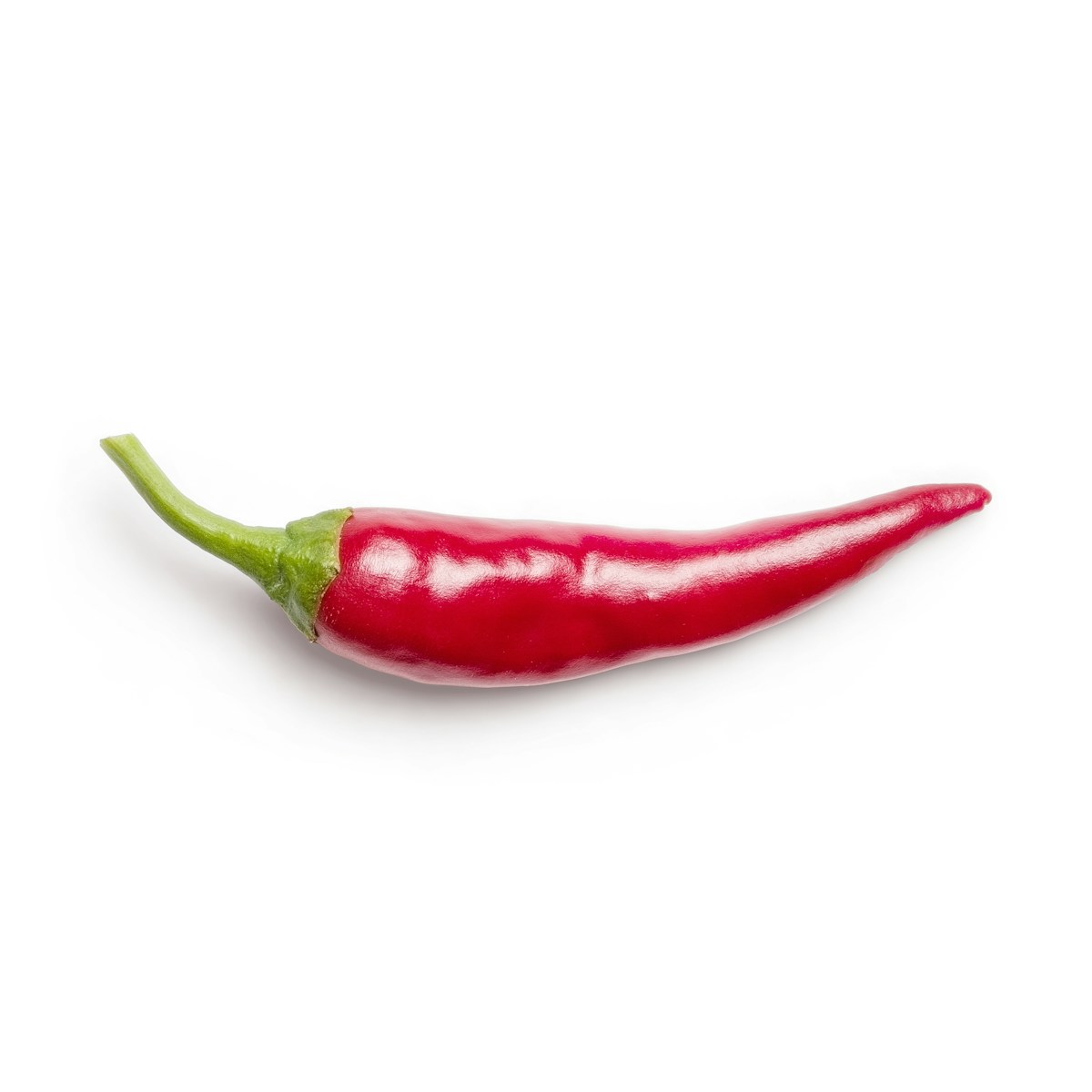
Chili peppers are New World plants. After the Columbian Exchange, Capsicum spread through Asia and became central to Sichuan, Guizhou, and many other Chinese regional cuisines, where chili oil (hong you) and chili-flake condiments season noodles, mapo tofu, and cold dishes [2][3].
Lao Gan Ma, founded in Guizhou in the 1990s by Tao Huabi, bottled a fried chili-and-soybean style that became a global grocery shorthand for "Chinese chili crisp." The 2026 boom is a diaspora of that pantry logic: countless brands remixing chili, oil, garlic, shallot, and fermented beans for Western shelves.
Why it matters
The food-history value is that "chili crisp on everything" is not a random viral condiment. It is Chinese chili-oil technique meeting a New World pepper that only reached Asia in the last five centuries — then scaled through brands like Lao Gan Ma into a global jar. For the full chili-pepper history, see the article below.
How to try it
Start with a plain chili crisp or Lao Gan Ma-style fried chili in oil. Spoon it onto soft scrambled eggs, cucumber salad, noodles, or roasted vegetables; the oil carries flavor, so you often need less than you think. Heat levels vary widely — taste before you commit. To make a simple version, gently fry dried chili flakes, minced garlic, and a pinch of sugar in neutral oil until fragrant, then cool and jar. Store covered; use a clean spoon. For the full history of the chili pepper behind the jar, read below.
📖 Read the full history
Trend Desk notes are timely. The durable history behind each trend lives in these articles and collections.
Comments
Community comments are coming soon. Check back later to join the discussion!