💡 Key Takeaways
- Starch microfossils from grinding stones in southwestern Ecuador date chili pepper use to approximately 6,100 years ago, and residues from the Tehuacán Valley in Mexico push consumption back to roughly 7,500 BCE.
- Portuguese traders — not the Spanish — were primarily responsible for introducing chilies to Africa, India, and Southeast Asia in the early 1500s, making it arguably the fastest global food adoption in history.
- Capsaicin, the compound responsible for chili heat, triggers pain receptors (TRPV1) without causing actual tissue damage — and the resulting endorphin release is why humans became the only species that deliberately seeks out the burning sensation.
Where did chili pepper originate?
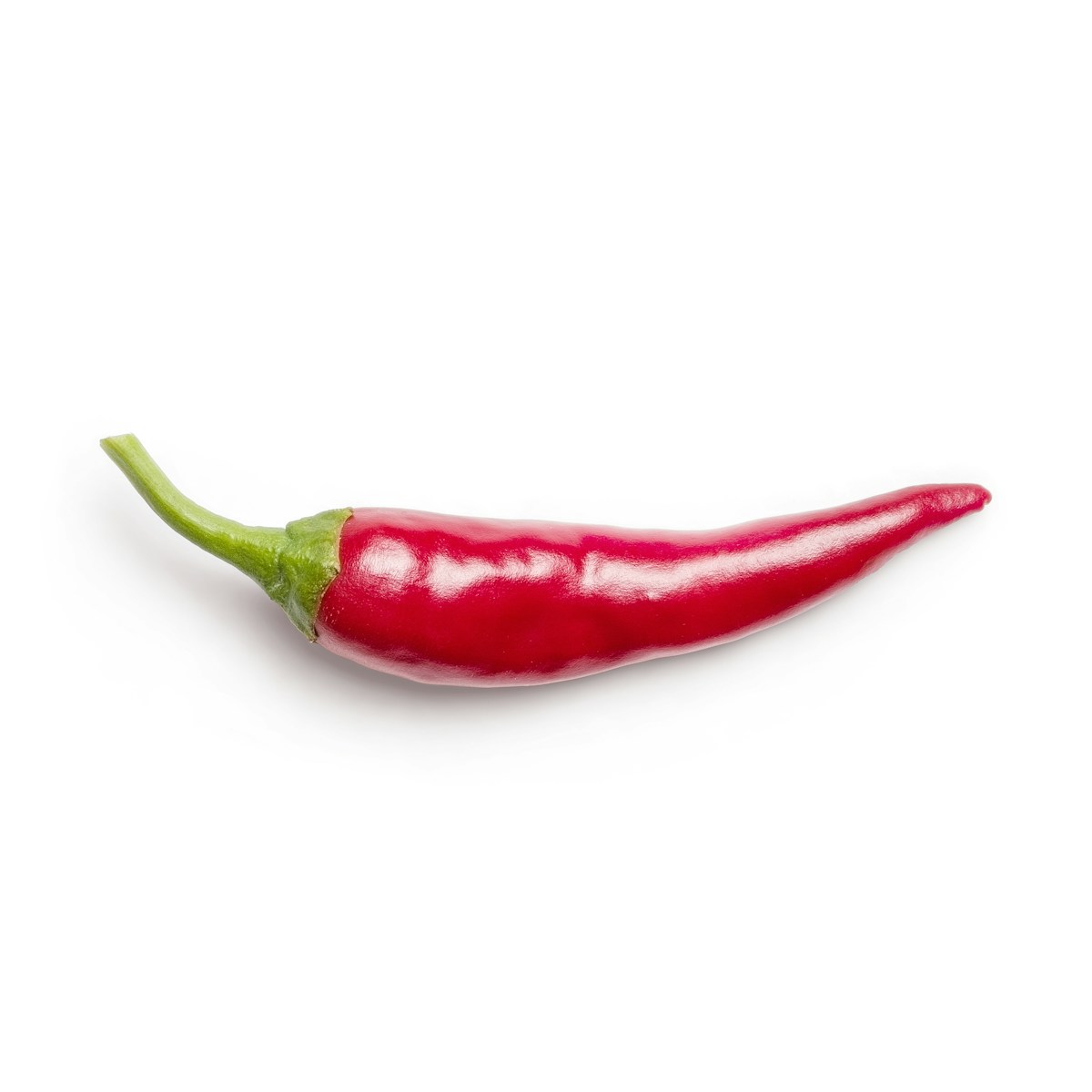
The genus Capsicum, encompassing all chili peppers, originated in the Americas — with wild ancestors still growing from southern Arizona to northern Argentina. Archaeological evidence from multiple sites confirms extraordinarily early human use: starch microfossils from grinding stones in southwestern Ecuador's Loma Alta site date to roughly 6,100 years ago, while residues from caves in Mexico's Tehuacán Valley suggest consumption as early as 7,500 BCE. At least five species were independently domesticated: C. annuum (jalapeños, bell peppers) in Mexico, C. chinense (habaneros, Scotch bonnets) in the Caribbean basin, C. frutescens (tabasco) in Central America, C. baccatum (áji) in Bolivia, and C. pubescens (rocoto) in the Andean highlands [1].
The burn of chili peppers comes from capsaicinoids, a class of compounds that trigger the TRPV1 pain receptor on mammalian nerve endings — the same receptor activated by actual heat above 43°C. This chemical defence evolved to deter seed-grinding mammals while allowing birds (which lack TRPV1 receptors entirely) to eat the fruits and disperse seeds unharmed. Humans are the only species that deliberately overrides this deterrent — the resulting endorphin and dopamine release creating what psychologist Paul Rozin termed "benign masochism" [2].
How did chili pepper evolve over time?
When Columbus landed in the Caribbean in 1493, he encountered Capsicum and, seeking the valuable black pepper (Piper nigrum) that had motivated his voyage, called it "pepper" — a misnomer that persists in most European languages. Seeds returned to Spain, but it was Portuguese traders who drove the chili's global explosion. Portuguese maritime networks carried Capsicum to their trading posts in West Africa, the Indian coast (Goa by the 1540s), Malacca, Macau, and eventually Japan within a single century [3].
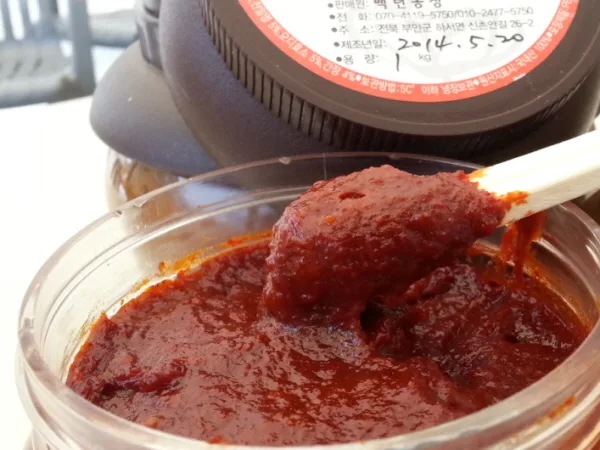
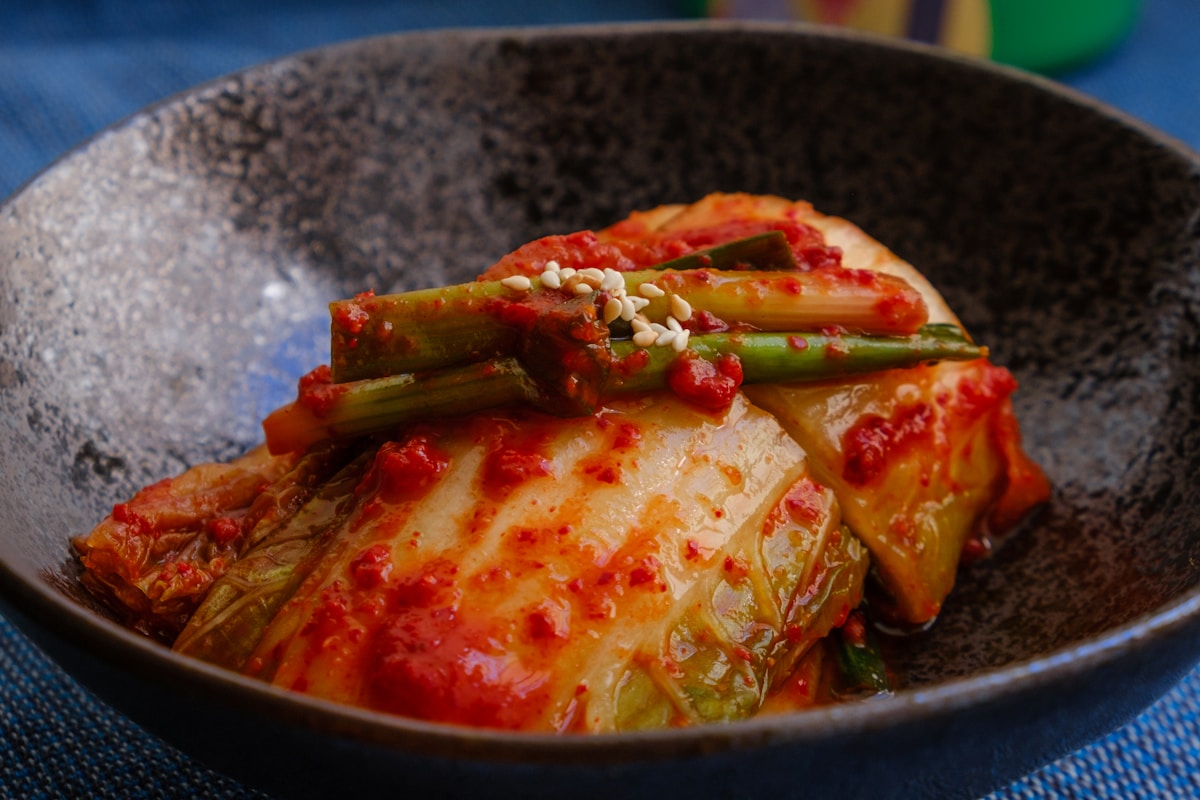
The adoption was immediate and transformative. In India, chilies replaced the long pepper (Piper longum) that had provided heat for millennia, fundamentally reshaping regional cuisines: the vindaloo of Goa, the fiery curries of Andhra Pradesh, and Rajasthani mirchi ki sabzi are all post-Columbian inventions despite seeming timelessly "Indian." In Sichuan, China, chilies integrated into a pre-existing culinary tradition of numbing Sichuan pepper (huā jiāo) to create the iconic málà (numbing-hot) flavour profile. In Korea, gochugaru (red pepper flakes) became central to kimchi by the 17th century [1].
Across Africa, Portuguese introduction of chilies to coastal West and East Africa created the foundation for fiery cuisines from Senegal's yassa to Ethiopia's berbere spice blend. In North Africa, these American Capsicums met older spice, oil, and preservation traditions to spark the development of harissa history. The peri-peri (or piri-piri) pepper, a small, intensely hot C. frutescens variety, became synonymous with Mozambican and Portuguese-African cooking [2].
Why is chili pepper culturally important?
Chili peppers permeate the cultural life of every society that adopted them. In Mexico, the birthplace of domesticated Capsicum, chilies appear in mythology (the Aztec goddess Tlatecuhtli is associated with chili offerings), medicine, warfare (Aztec parents punished disobedient children with chili smoke), and cuisine — where mole sauces can contain a dozen or more chili varieties in a single dish [3].
In Bhutan, ema datshi (chilies in cheese sauce) is the national dish, and Bhutanese consume more chili per capita than any other nationality — an estimated 250 grams per person per week. In Hungary, paprika (dried ground Capsicum annuum) defines the national cuisine: gulyás (goulash), csirkepaprikás, and lecsó are all built on its sweet, smoky flavour. Hungarian scientist Albert Szent-Györgyi won the 1937 Nobel Prize in Physiology or Medicine partly for isolating vitamin C from Szeged paprika peppers [1].
The Scoville scale, developed by pharmacist Wilbur Scoville in 1912, quantified chili heat for the first time. His organoleptic test (measuring how many times a chili extract must be diluted before the burn disappears) has been supplanted by HPLC analysis but remains the standard unit. The competitive breeding of ever-hotter peppers — from the Habanero (350,000 SHU) to the Bhut Jolokia (1M SHU) to the Carolina Reaper (1.64M SHU) — has become a global subculture with dedicated festivals, YouTube channels, and medical warnings [2].
Modern Renaissance
The global hot sauce market was valued at approximately $4.4 billion in 2023 and is projected to exceed $7 billion by 2030, driven by millennials' and Gen Z's appetite for heat. Huy Fong Foods' Sriracha, Tabasco (produced continuously on Avery Island, Louisiana since 1868), Cholula, and Valentina are mainstream brands, while artisanal producers create single-origin, fermented, and barrel-aged sauces that rival craft beer in complexity and price [1].
Chili pepper agriculture is vast: global production exceeds 40 million tonnes annually, with China, Mexico, Turkey, and Indonesia as leading producers. In New Mexico, the Hatch chili harvest (August–September) is a cultural event: roasting drums appear at supermarket parking lots across the American Southwest, and "Red or green?" is the state's official question. In Espelette, France, Basque piment d'Espelette carries AOC (Appellation d'Origine Contrôlée) status and hangs in braided strings from village facades [2].
Scientific research continues to uncover capsaicin's pharmaceutical potential: topical capsaicin cream (derived from cayenne peppers) is an FDA-approved treatment for neuropathic pain, and studies in the British Medical Journal (2015) found that people who ate spicy food nearly daily had a 14% lower risk of death compared to those who ate it less than once a week. From Aztec smoke punishment to medical pain relief, the chili pepper's 9,500-year relationship with humanity shows no sign of cooling down [3].
In the news
Recent 2026 food-culture notes that reference this article.
- Jul 19, 2026Birria Tacos Went Viral — the Stew Comes from Jalisco→
- Jul 7, 2026Fermented vs Vinegar Hot Sauce→
- Jul 7, 2026Salsa Macha: Mexico's Chili-Oil Cousin→
- Jul 7, 2026Zhug / Skhug: Yemenite Hot Sauce→
- Jul 7, 2026Shito: Ghanaian Chili Condiment Explained→
- Jul 7, 2026Chili Crisp on Everything — and the Lao Gan Ma Pantry Logic Behind It→
- Jul 6, 2026How Crunchy Condiments Won the 2020s→
- Jul 5, 2026Momofuku's Chile Crunch Trademark Fight, Explained→
- Jul 5, 2026Chili Crisp vs Chili Oil vs Salsa Macha: Origin Differences Explained→
- Jul 4, 2026What Is Doubanjiang? Sichuan's Fermented Chili-Bean Paste, Explained→
- Jul 3, 2026Hot Honey, Pizza's New Drizzle, Has Ancient Mesoamerican Roots→
- Jun 27, 2026How Chili Peppers Reached China→
- Jun 18, 2026Kashmiri Chili Is the Color Without the Fire — Why Chefs Reach for It→
- Jun 6, 2026Swicy Explained: The Sweet-Spicy Mashup That Was Never Only a 2026 Coinage→
Historical Timeline
Chili pepper residues found in Tehuacán Valley grinding stones in Mexico
Columbus brings Capsicum seeds to Spain, calling them "pepper" after black pepper
Portuguese traders introduce chilies to Goa, India, and the spice quickly integrates into local cuisines
Pharmacist Wilbur Scoville develops the Scoville Organoleptic Test for chili heat
Smokin' Ed's Carolina Reaper certified by Guinness at 1.64 million Scoville Heat Units
Evidence Explorer
Review the Source Trail
Inspect the article sources, scoped review credits, and copyable citation details without leaving the page.
Reviewed for Stated Scope
Sources Listed
Comments
Community comments are coming soon. Check back later to join the discussion!