💡 Key Takeaways
- Chili crisp is a crunchy chili oil — fried chili flakes, aromatics, and often nuts or beans suspended in oil — distinct from smooth chili oil that is mostly infused oil with little sediment.
- New World Capsicum peppers reached China after the Columbian Exchange; Chinese cooks folded them into oil-based condiments that later include commercial chili crisp.
- Lao Gan Ma, founded by Tao Huabi in Guizhou in the 1990s, became the iconic jar that introduced many Western diners to crunchy Chinese chili oil — and sparked a U.S. cult and copycat boom.
What Is Chili Crisp?
Chili crisp is crunchy chili oil: dried chili pepper flakes and aromatics fried in hot oil until fragrant, then jarred so that a spoonful delivers both spicy red oil and a thick layer of textured sediment [1][3]. Garlic, shallot, onion, Sichuan peppercorn, fermented soybean bits, peanuts, and sesame often join the chili, so the flavor is rarely just heat — it is toasted, salty, savory, sometimes numbing, and engineered for crunch.
The English name "chili crisp" emphasizes exactly that: the crunch, the part many diners scrape from the bottom of the jar. It belongs to a much wider Chinese family of chili oils and chili sauces (*lájiāo*) that range from pourable infused oils to spoonable relishes. Calling every red jar "chili crisp" flattens genuine regional differences; the useful distinction is texture and use — spoonable crunch versus pourable infused oil [5].
Columbian Exchange: Chilies Arrive in China
Capsicum peppers are New World plants. They reached China in the centuries after 1492, arriving through Portuguese and other maritime networks into southern ports and overland trade routes — part of the same Columbian Exchange that remade heat in Indian, Korean, Southeast Asian, and African cooking [2][4]. Once established in southern and western China, chilies were folded into an already sophisticated flavor grammar that Chinese cooks had built around oil, fermentation, and aromatics.
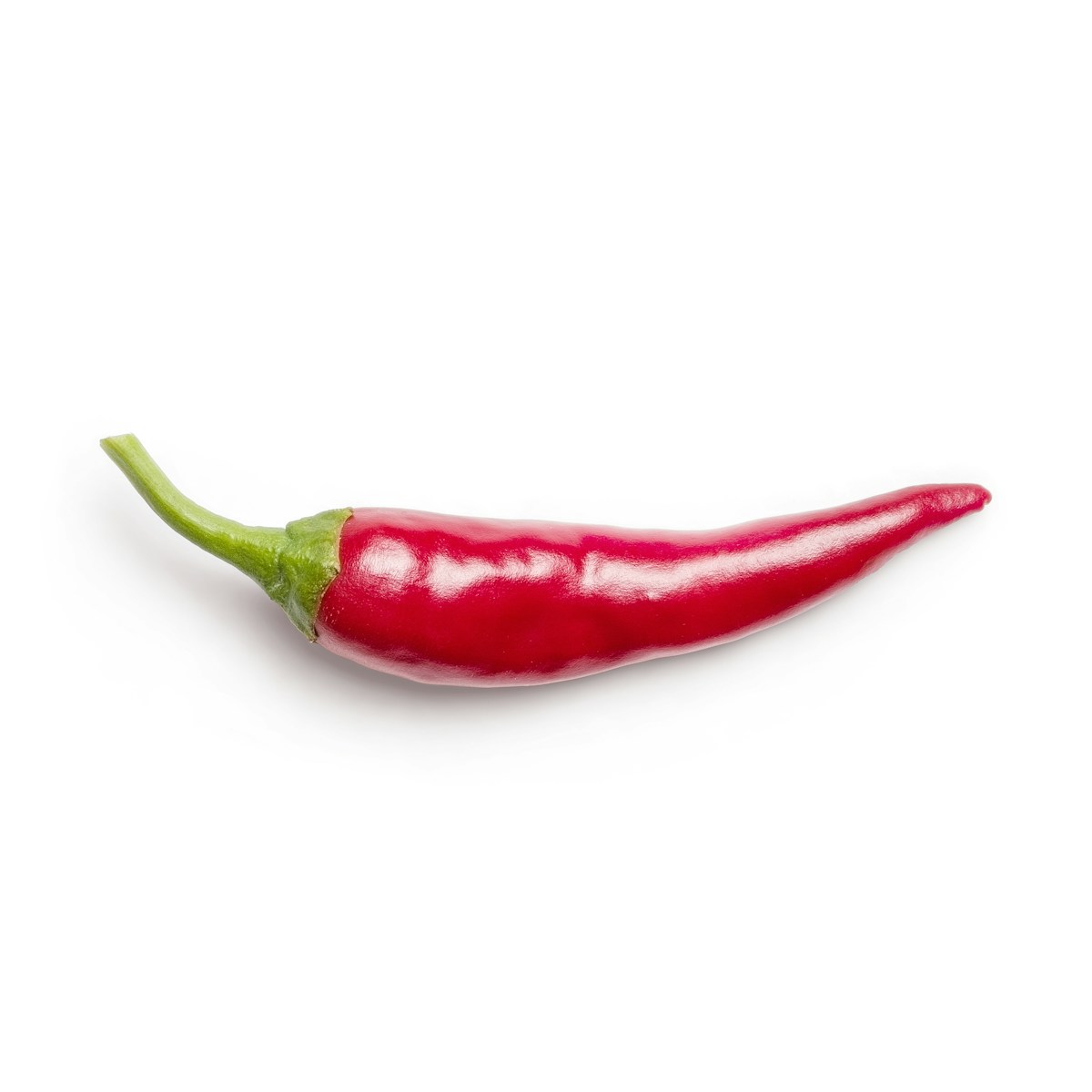
Crucially, Chinese cuisine already had its own native tingle: Sichuan pepper (*huā jiāo*), which produces the distinctive numbing *má* sensation long before any chili arrived. New World chilies added a new kind of burn that fused with that existing *má-là* (numbing-spicy) logic and with established techniques for frying aromatics in oil, fermenting beans, and finishing noodles and vegetables. Without that American fruit there is no Chinese chili crisp as we know it — the heat is post-Columbian, even as the oil-frying craft and the *má-là* balance are older and distinctly Chinese [1][4].
Chili Oil vs Chili Crisp
Chinese chili oil can be a clear or cloudy red oil infused with chili, sometimes strained smooth, sometimes left with a few flakes floating. Chili crisp, in the sense popularized in English, keeps a thick layer of fried solids: you want the crunch as much as the oil, and a good jar is roughly half sediment [3][5]. The difference is not just texture but purpose — infused oil is a finishing drizzle, while crisp is almost a relish you spoon with intent.
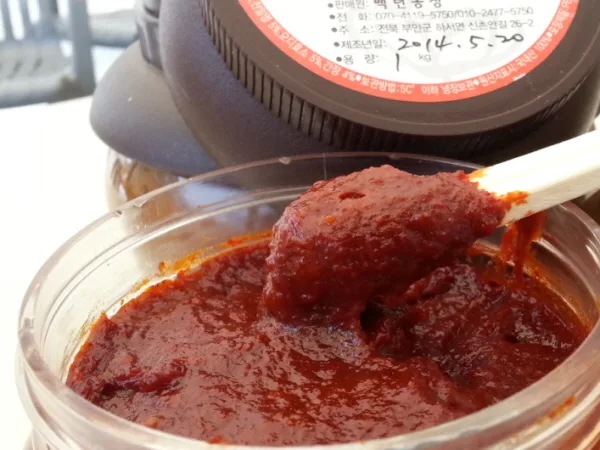
Both season noodles, dumplings, and cold dishes. Crisp versions also work as a topping in their own right — on eggs, avocado toast, pizza, or roasted vegetables — which is exactly the versatility that helped a U.S. cult form around them. Related fermented chili pastes such as Korean gochujang share the Capsicum story but not the oil-fried texture, and vinegar and soy sit nearby on the same table as balancing acidity and salt [1].
Lao Gan Ma and the Commercial Jar
Tao Huabi founded Lao Gan Ma in Guizhou in 1996, turning a local chili-sauce stall into a national and then global brand whose stern-faced label portrait became shorthand for Chinese chili crisp abroad [6]. The jars vary by formula — chili oil with fermented soybeans, peanut versions, and others — but the core idea is the same: shelf-stable crunchy chili in oil at grocery scale, consistent enough to stock anywhere.
Lao Gan Ma did not invent frying chili in oil; that technique is far older in Sichuan, Guizhou, and other chili-loving provinces. What the company did was industrialize and export a recognizable product that diaspora grocery shops, and later mainstream Western supermarkets, could actually stock. That scale made it the bridge between a regional Chinese condiment tradition and the English phrase "chili crisp" — the jar many Western cooks met first, and the reference point against which every later brand is still measured [5][6].
The U.S. Cult and How Chili Crisp Is Used Today
By the late 2010s, and accelerating through the 2020 pandemic's home-cooking surge, American food media, chefs, and a wave of indie brands turned chili crisp into a cult pantry item: eggs, noodles, pizza, grain bowls, dumplings, and takeout all got the drizzle [5]. Premium and founder-led brands such as Fly by Jing joined Lao Gan Ma on shelves, and the condiment even became a trademark battleground — the Momofuku "chile crunch" dispute in 2020 drew sharp pushback and helped settle how elastic the generic term "chili crisp" really is.
For The Foods That Shaped Us, chili crisp links chili-pepper, gochujang, soybean, and vinegar — New World heat, Chinese oil craft, fermented soy depth, and the acidic counterpoint that keeps a spoonful of crunch in balance. The trend layer is recent; the Capsicum-in-China story is centuries older, and the jar that taught English speakers the word sits on top of all of it.
In the news
Recent 2026 food-culture notes that reference this article.
- Aug 25, 2026Cambodian vs Sichuan Chili Crisp: Not the Same Jar Tradition→
- Jul 7, 2026Taiwanese and Japanese Chili Crisp Variants→
- Jul 7, 2026Everything Bagel Meets Chili Crisp→
- Jul 7, 2026Chili Crisp on Everything — and the Lao Gan Ma Pantry Logic Behind It→
- Jul 6, 2026Lao Gan Ma Founder Story: Tao Huabi→
- Jul 5, 2026Momofuku's Chile Crunch Trademark Fight, Explained→
- Jul 5, 2026Chili Crisp vs Chili Oil vs Salsa Macha: Origin Differences Explained→
Historical Timeline
New World chili peppers reach China via maritime and overland Columbian Exchange routes and enter regional cooking
Chili oil and chili-in-oil condiments deepen in Sichuan, Guizhou, and other chili-loving provinces
Tao Huabi commercializes Lao Gan Ma chili sauce in Guizhou, scaling a crunchy chili-oil jar for mass markets
Lao Gan Ma and Chinese chili oils spread through diaspora groceries and restaurant kitchens abroad
U.S. food media and indie brands popularize "chili crisp" as an English category; jars become a cult pantry item
Chili crisp remains a default drizzle for eggs, noodles, pizza, and grain bowls in American home cooking
Evidence Explorer
Review the Source Trail
Inspect the article sources, scoped review credits, and copyable citation details without leaving the page.
Sources Listed
Comments
Community comments are coming soon. Check back later to join the discussion!