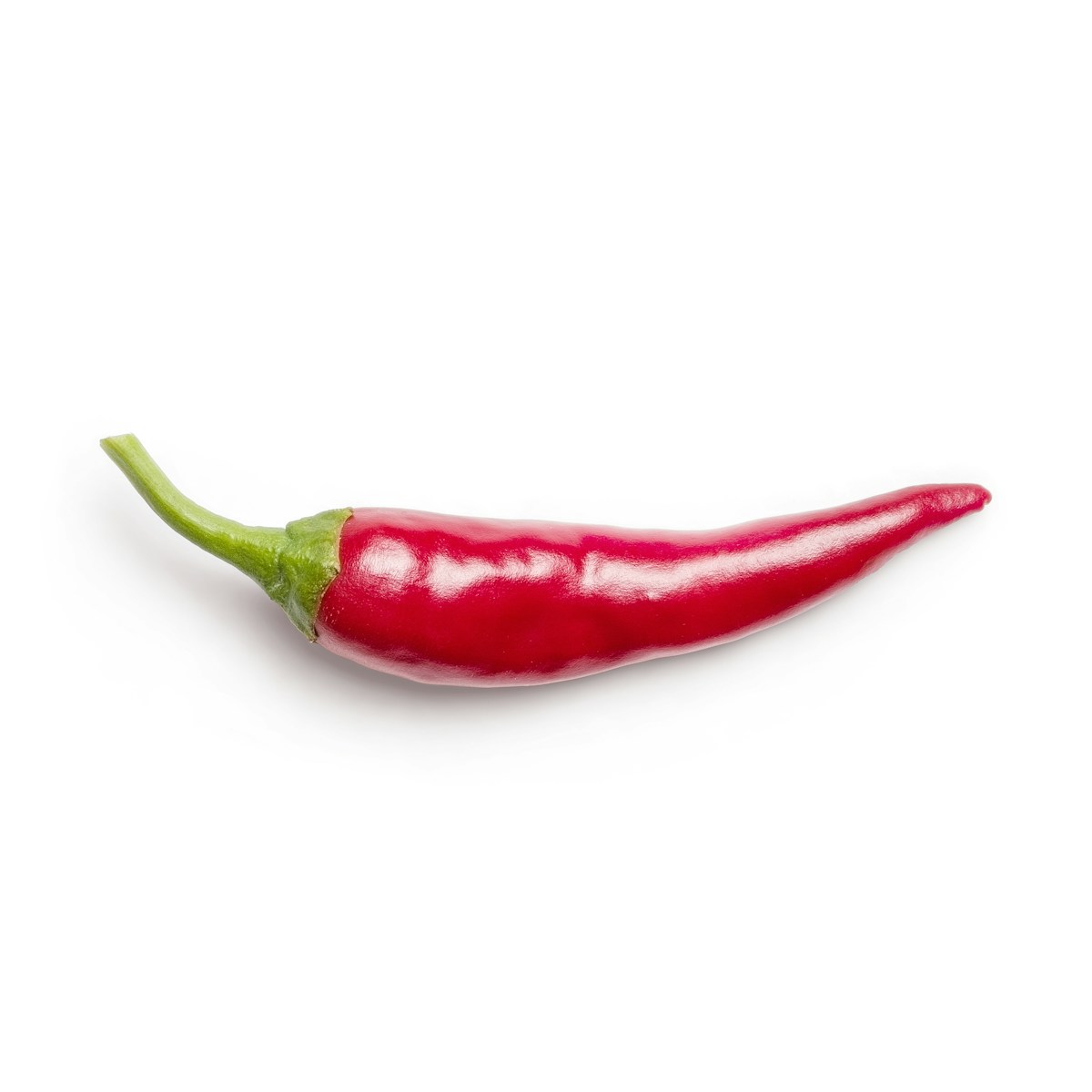
Chili Crisp vs Chili Oil vs Salsa Macha: Origin Differences Explained
Chili crisp, chili oil, and salsa macha all start with chili in oil — but crunchy Chinese jars, pourable hong you, and Mexican nut-chili macha are not the same condiment.
Chili crisp, chili oil, and salsa macha are all chili-in-oil condiments, but they are not interchangeable. Chili crisp is crunchy fried chili and aromatics in oil; chili oil is often a pourable seasoned oil with fewer solids; salsa macha is a Mexican nut-and-chili oil from Veracruz and beyond. The 2026 pantry boom put all three on the same shelf — and in the same search box.
What's happening
Western grocery shelves and recipe feeds now treat "chili crisp," "chili oil," and "salsa macha" as near-synonyms — jars of red heat to spoon onto eggs and noodles. FoodNavigator's 2026 flavour coverage keeps chili and fermented heat in the savory conversation, and specialty brands have multiplied the labels faster than the vocabulary [1].
The confusion is understandable: all three start with dried chili and fat. The differences are texture, aromatics, and culinary lineage.
The history behind it
Chili peppers are New World plants that reached Asia and Europe after the Columbian Exchange and remade regional cuisines [2]. Chinese chili oil (hong you) and crunchy fried-chili condiments season Sichuan and Guizhou cooking; the global "chili crisp" jar is a commercial cousin of that tradition. Salsa macha — dried chilies fried with nuts, seeds, and garlic in oil — belongs to Mexican tables, especially Veracruz and other Gulf and central kitchens, where it is a table salsa rather than a Chinese noodle topping [3].
So the aisle is a meeting of Capsicum histories, not one product with three names.
Why it matters
The food-history value is that a 2026 condiment boom is also a naming problem. Calling everything "chili crisp" flattens Chinese chili-oil craft and Mexican salsa macha into one viral texture. Knowing which jar you bought changes how you cook. For the deeper Capsicum story, see the chili-pepper article below.
How to try it
Taste them side by side on plain rice or soft eggs. Use chili crisp when you want crunch and spoonable solids; use a clearer chili oil when you want to drizzle heat without chunks; use salsa macha when you want nutty, toasty Mexican chili oil on tacos, grilled vegetables, or beans. Heat levels vary wildly — start with half a teaspoon. Store jars covered with a clean spoon. For the full history of the chili pepper behind all three, read below.
📖 Read the full history
Trend Desk notes are timely. The durable history behind each trend lives in these articles and collections.
Comments
Community comments are coming soon. Check back later to join the discussion!