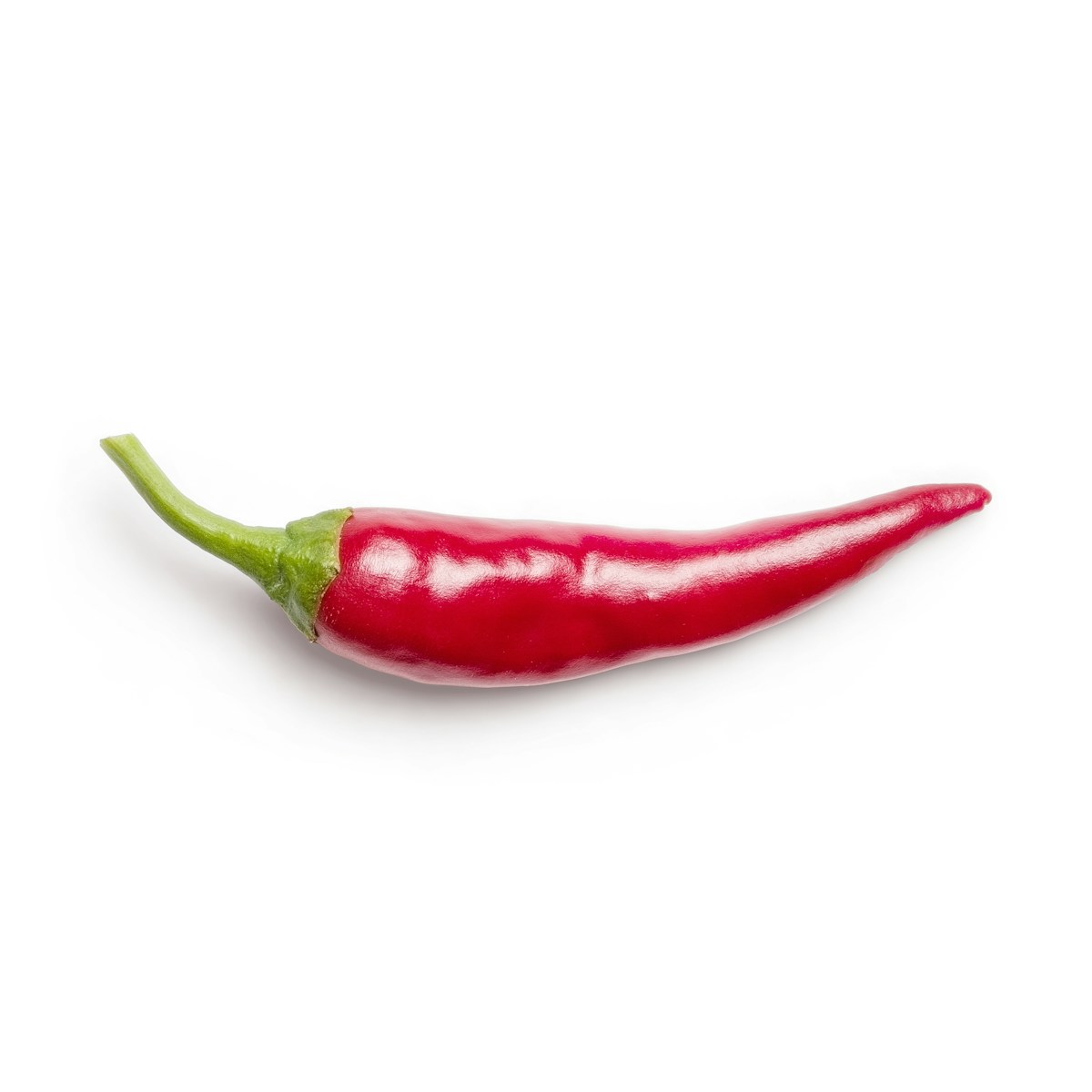
What Is Doubanjiang? Sichuan's Fermented Chili-Bean Paste, Explained
Doubanjiang is Sichuan's fermented broad-bean and chili paste — the savory backbone of mapo tofu and a 2026 pantry search as chili crisps multiply.
Doubanjiang is a Sichuan fermented paste of broad beans (fava), chili, and salt — sometimes with wheat — aged into a salty, savory, chili-flecked condiment. Pixian doubanjiang is the most famous style. It is the flavor base of mapo tofu and many wok sauces, denser and beanier than chili crisp or Korean gochujang.
What's happening
As chili crisp becomes a default Western pantry heat, cooks hunting authentic Sichuan depth are landing on doubanjiang — often labeled "chili bean paste" — and asking how it differs from the crunchy oil jars. FoodNavigator's 2026 savoury-heat coverage keeps Asian chili pastes in the conversation; doubanjiang is the fermented bean paste behind restaurant mapo tofu, not a finishing crunch [1].
The search spike is a precision move: people want the paste that tastes like Sichuan, not just red oil.
The history behind it
Doubanjiang belongs to China's family of fermented bean pastes. Classic Pixian doubanjiang from Sichuan's Pixian (now Pidu) district ferments broad beans with chili and salt, traditionally in open crocks under the sun, developing a deep, savory, slightly funky paste [2]. Chili peppers arrived in China after the Columbian Exchange and fused with older bean-fermentation craft; soybeans and other legumes already underpinned Chinese sauces long before Capsicum [3].
Mapo tofu, twice-cooked pork, and countless wok sauces start by frying a spoon of doubanjiang in oil until the kitchen smells of chili and fermented bean.
Why it matters
The food-history value is that "Sichuan heat" is not only chili oil. Doubanjiang is fermented legume plus New World chili — a paste with a place name (Pixian) and a technique older than the viral jar aisle. For Capsicum and soybean context, see the articles below.
How to try it
Buy a jar labeled Pixian or Sichuan doubanjiang (chili bean paste). Fry a tablespoon in oil until the oil turns red and fragrant, then add tofu, ground meat, or vegetables for a quick mapo-style sauce; go easy on extra salt. It is saltier and denser than chili crisp — not a raw table crunch. Gochujang is sweeter and Korean; they are not swaps. Store refrigerated after opening. For the chili-pepper and soybean histories behind the paste, read below.
📖 Read the full history
Trend Desk notes are timely. The durable history behind each trend lives in these articles and collections.

Comments
Community comments are coming soon. Check back later to join the discussion!