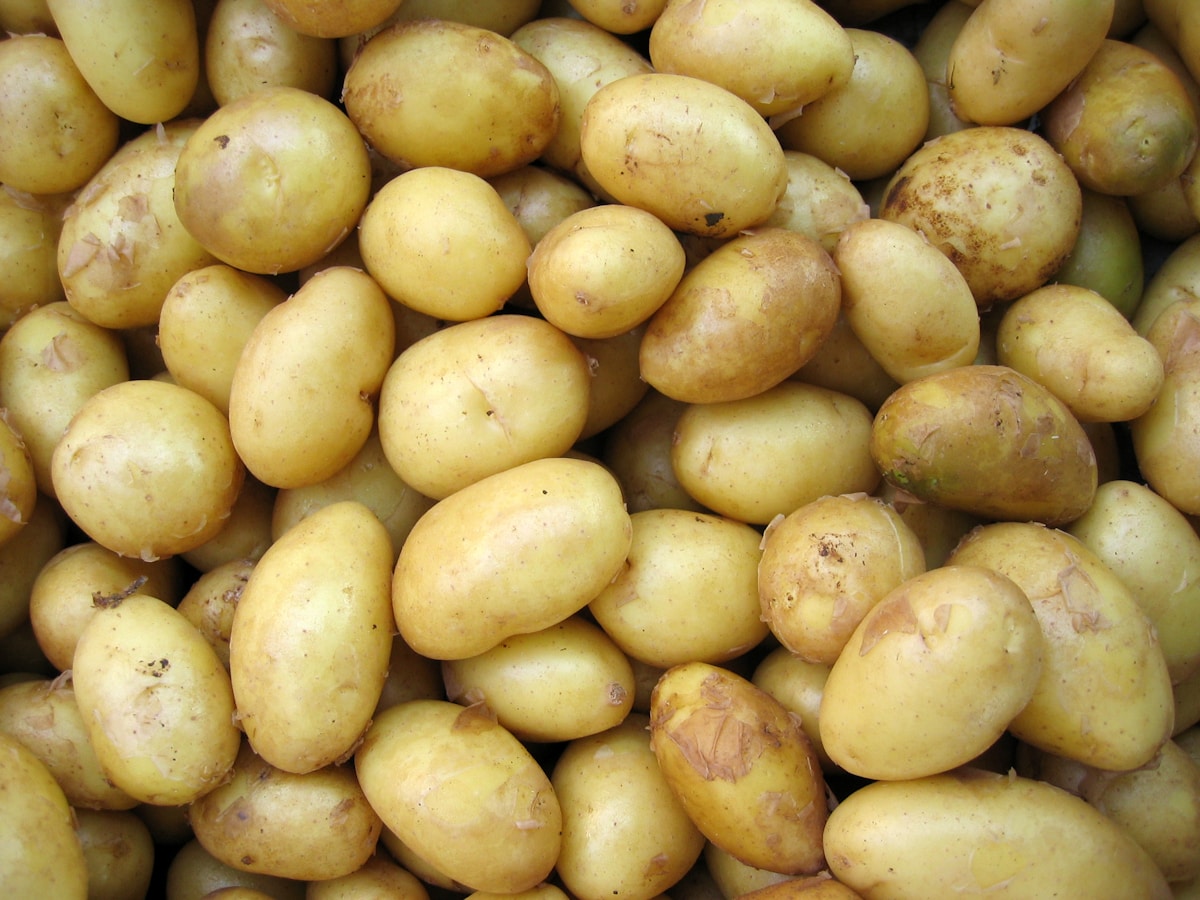
Duck-Fat Fries Went From Bistro Flex to American Menu Default
Frying potatoes in duck fat was a French bistro move. In the U.S., it became a menu signal for richness — part of the same fat nostalgia that revived tallow.
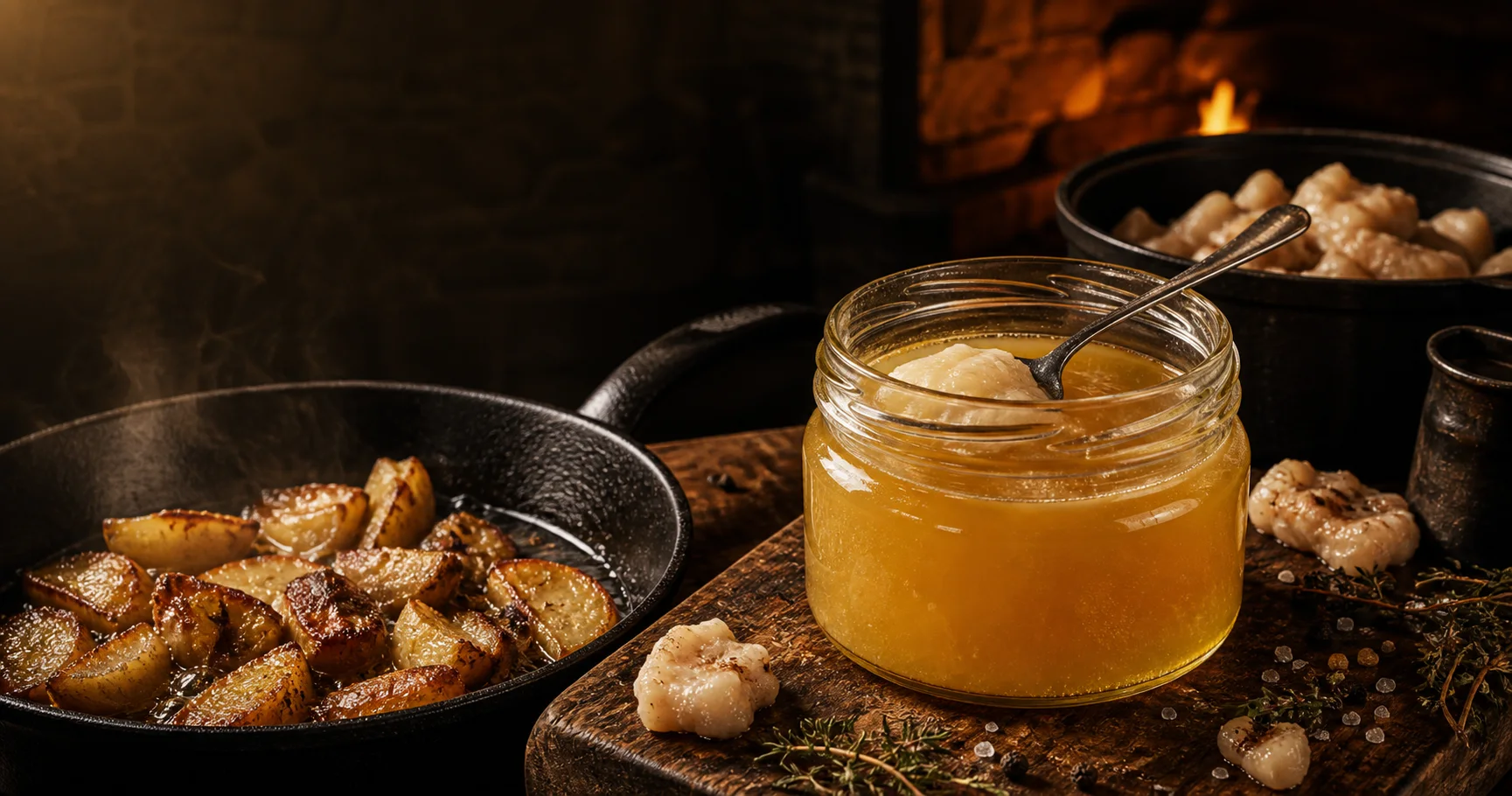
Duck-fat fries are potatoes fried in rendered duck fat — a French bistro technique that U.S. restaurants adopted as a richness and craft signal. The method sits beside confit traditions and the wider return of animal frying fats. In 2026 it reads less like a gimmick and more like part of the tallow-and-schmaltz fat conversation.
What's happening
American menus still use "duck fat fries" as a premium fry description, and 2026 traditional-fat chatter puts poultry fat beside beef tallow in the same nostalgia lane [1]. Diners hear "duck fat" as flavor insurance: crisp edges, savory depth, bistro theater.
The phrase does marketing work — and real cooking work when the fat is actually used.
The history behind it
Southwestern French cooking long valued duck and goose fat for confit and for frying potatoes — a thrifty use of rendering byproducts from birds raised for meat and foie traditions [2][3]. When New World potatoes met Old World animal fats, fries and roast potatoes became natural canvases.
U.S. bistro culture imported the idea as a menu differentiator in the late twentieth and early twenty-first centuries, parallel to tallow-fry nostalgia.
Why it matters
The food-history value is continuity between confit economies and fryer baskets: fat is flavor storage. Duck-fat fries link potato globalization to European rendering habits and to today's animal-fat revival. See potato and beef tallow below.
How to try it
Par-cook potatoes, then finish in duck fat at a steady fry temperature until deep gold; season simply with salt. Leftover fat can roast vegetables the next day. If a restaurant lists duck-fat fries, ask whether the fryer is dedicated — shared oil changes the claim. For the potato and tallow backstories, read below.
📖 Read the full history
Trend Desk notes are timely. The durable history behind each trend lives in these articles and collections.
Comments
Community comments are coming soon. Check back later to join the discussion!